Your digging level
Description
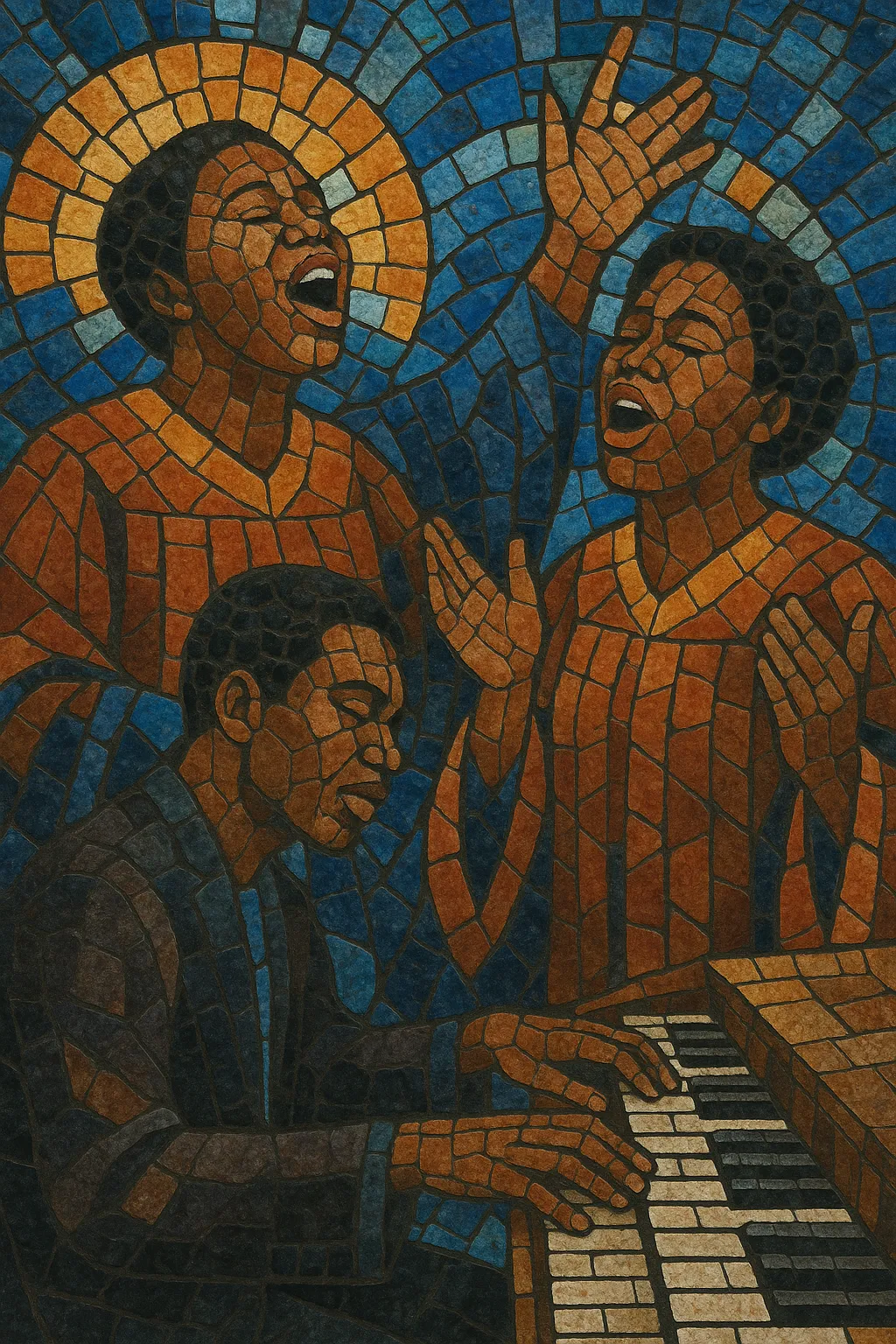
Gospel house is a soulful substyle of house music that fuses four-on-the-floor club rhythms with the harmony, call-and-response, and spiritual uplift of Black gospel tradition. It keeps the groove-driven foundations of Chicago and New York house while foregrounding church-rooted vocals, choirs, handclaps, and rich keyboard work.
Typically in the 120–128 BPM range, gospel house emphasizes major-key progressions, extended chords (9ths, 11ths, 13ths), piano and organ riffs, and lyrics about joy, faith, resilience, and community. The result is dance music with a distinctly devotional spirit—equally at home on peak-time dancefloors and in inspirational settings.
History
Gospel house emerged in the late 1980s in the United States, rooted in Chicago house’s drum-machine pulse and the soulful, devotional vocal lineage of Black church music. New York’s Paradise Garage culture and gospel-tinged disco also primed audiences for house tracks with spiritually charged vocals and choir textures. Early house anthems with exultant, church-like deliveries—alongside piano/organ-driven arrangements—shaped the gospel house aesthetic.
Through the 1990s, producers and vocalists in Chicago, New York, and Baltimore refined the sound: big piano chords, Hammond-style organs, handclaps, and full-voice leads supported by call-and-response choirs. Labels and collectives connected to soulful/garage house scenes amplified the style. The UK’s embrace of vocal-led house and garage further internationalized gospel house, with DJs championing uplifting, choir-forward mixes in clubs and on radio.
Dedicated artists, singers, and production teams—often with deep church backgrounds—kept the style vibrant. Choir-based projects, inspirational singer-led singles, and remix culture helped gospel house resonate in both club and faith-oriented contexts. As Christian electronic dance music grew, gospel house’s template (devotional lyrics over house grooves) became a reference point for worship teams and producers seeking a contemporary dance sound.
Today, gospel house remains a staple in soulful and vocal house sets worldwide. Modern productions balance classic instrumentation (piano, organ, live-style claps) with polished, club-ready sonics. The genre’s DNA—exuberant vocals, upward modulations, and community-centered messages—continues to influence vocal house, pop worship, CEDM, and other inspirational dance forms.


Best playlists