Your digging level
Description
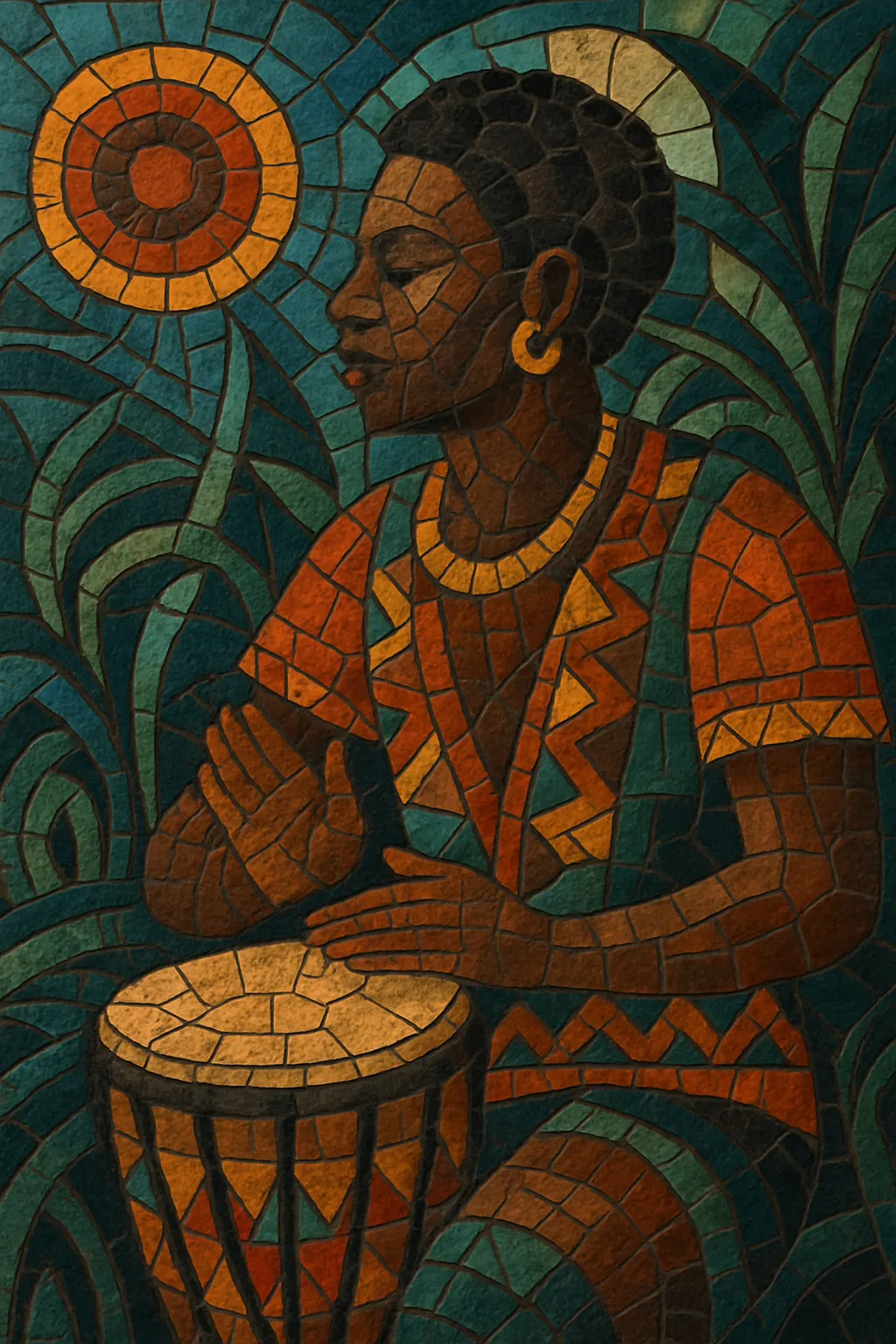
Afro house is a subgenre of house music that took shape in South Africa in the 1990s. It blends classic house’s 4/4 pulse with African rhythmic sensibilities, emphasizing hand percussion such as congas, bongos, shakers and djembe alongside warm basslines and steadily dancing kick drums.
Tracks often sit around 118–124 BPM and lean into hypnotic, polyrhythmic grooves, soulful harmonies, and an organic, spiritual atmosphere. Producers commonly use piano, saxophone, synthesizers, marimba/kalimba and rich pads, while vocals appear in a variety of African languages in call‑and‑response or chantlike phrases. The result is music that feels both deeply communal and club‑ready, equally at home on outdoor dance floors and late‑night sets.


History
Afro house emerged in South Africa during the 1990s as local DJs and producers absorbed global house while grounding it in African grooves and timbres. Early experiments fused steady 4/4 kicks with hand percussion, traditional rhythms, and soulful chords, creating a warmer, more earthy variant of house.
Through the 2000s, club culture and radio helped codify the style’s traits: rolling conga and shaker patterns, deep and melodic harmony, and vocals sung in multiple African languages. The scene developed city‑specific flavors across Johannesburg, Pretoria, Durban, and Cape Town, with independent labels and community stations amplifying the sound.
In the 2010s, artists from South Africa and the broader African diaspora carried Afro house to international stages and festivals. High‑profile DJ sets, remix exchanges, and online platforms spread its influence to Europe and the Americas, while Lusophone networks (e.g., Angola and Portugal) nurtured parallel Afro house communities.
The 2020s saw Afro house interact fluidly with neighboring South African dance forms and global club trends. Its melodic depth and organic percussion continue to shape contemporary dance floors and inspire producers in adjacent scenes, from soulful house to newer African electronic movements.
• Set the tempo around 118–124 BPM with a steady 4/4 kick.
• Build layered percussion: combine shakers on off‑beats, ghosted conga/djembe patterns, and occasional tom fills to create hypnotic, polyrhythmic motion.
• Use warm, soulful chord progressions (minor keys are common), voiced on piano, Rhodes, marimba/kalimba, or soft synth pads.
• Write memorable, chantlike hooks or call‑and‑response lines; feature vocals in African languages for authenticity and texture.
• Blend organic percussion recordings with clean electronic drums; add subtle acoustic elements (saxophone, guitar) for color.
• Employ tasteful reverb and delay to create spaciousness without losing the drum focus; sidechain pads/bass gently to the kick for movement.
• Structure in DJ‑friendly sections: intro (8–16 bars), groove development, breakdown with vocal or pad lead, and a dynamic drop that re‑introduces full percussion.
• Use automation (filters, reverbs, percussive layers) to evolve energy gradually rather than relying on abrupt transitions.
• Prioritize groove tightness and swing; small timing nudges on shakers and congas add life.
• Keep the mix warm and mid‑rich; ensure the kick and sub‑bass remain solid but not overpowering the hand percussion.