Your digging level

For this genre
0/8
🏆
Sign in, then listen to this genre to level up

Description

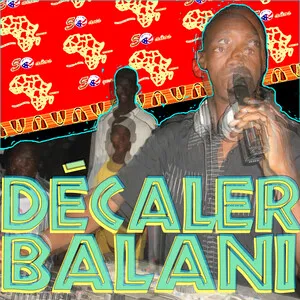
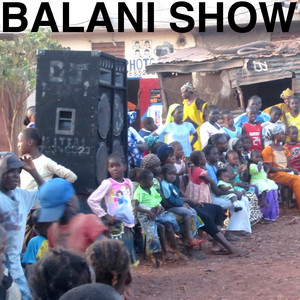
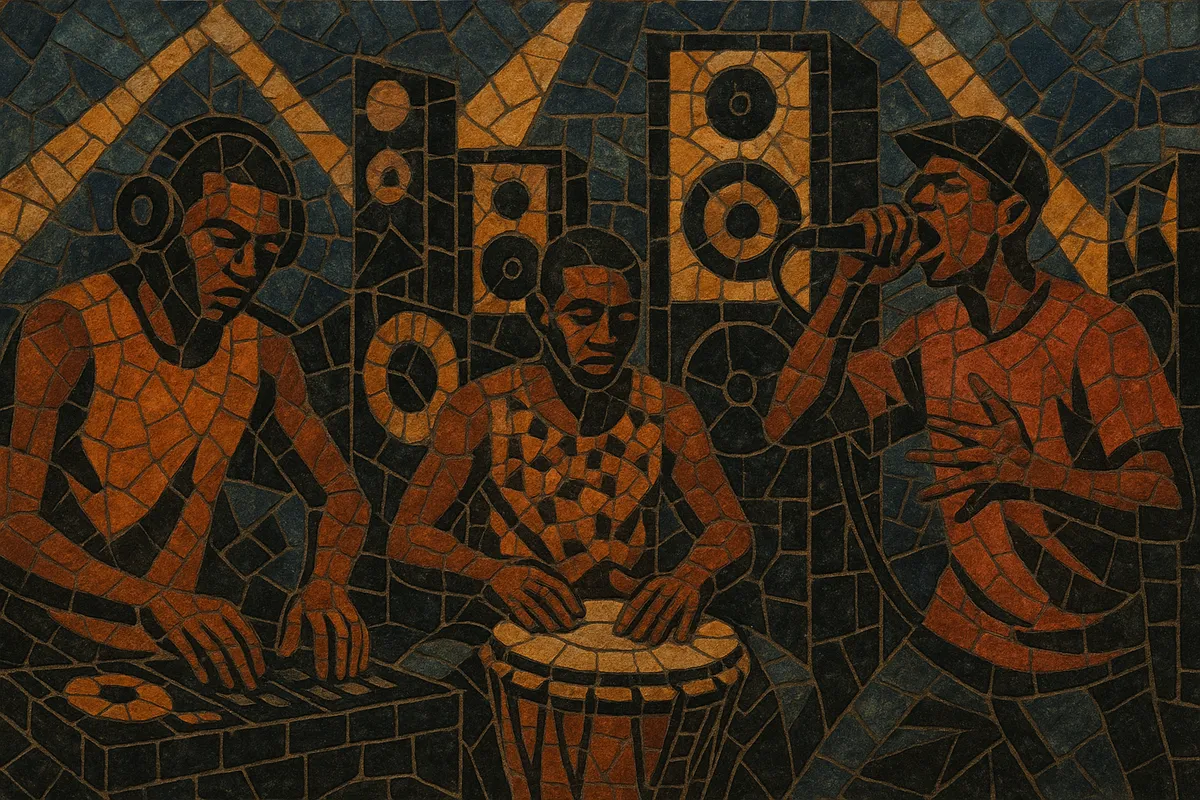
Balani show (also called “ambience”) is a high‑octane electronic dance music from Mali that grew out of neighborhood sound‑system block parties known as “Balani Shows.”

It blends cut‑up, looped balafon (wooden xylophone) riffs and talking‑drum textures with pounding, syncopated drum‑machine patterns inspired by pan‑African club styles. Typical tempos sit in the 160–175 BPM range, with peaks around 170 BPM, producing a breathless, polyrhythmic drive ideal for outdoor street dances.

Vocals are often short MC call‑outs, crowd commands, and chant‑like hooks in Bambara or French. The result is a raw, ecstatic party music that modernizes griot instrumental traditions through DIY sampling, live remix culture, and big sound‑system energy.


Sources: Spotify, Wikipedia, Discogs, Rate Your Music, MusicBrainz, and other online sources

History

Roots and name

Balani show draws on Malian griot performance, especially fast balafon ensembles and celebratory street music. The term comes from the Balani Show block parties—community events centered on large sound systems that replaced expensive live balafon groups.

Late 1990s–2000s: From parties to a sound

In the late 1990s in Bamako, DJs began animating weddings and neighborhood fêtes with cassettes and later CDJs, mixing traditional balafon pieces with kuduro and coupé‑décalé. To heighten energy, they added crashing drum‑machine fills, whistles, air‑horns, and on‑the‑fly edits. As these techniques solidified, “Balani show” came to mean a distinct musical style as well as the party.

2010s–present: Digital era and global ears

Affordable DAWs and samplers enabled bedroom producers to craft original tracks built from sliced balafon phrases at ~170 BPM. Compilations and label projects helped broadcast the scene beyond Mali, while local sound‑system crews continued to shape the music live with MCs, dancers, and rapid‑fire remixes. Despite occasional local pushback over noise or morality at street events, the genre thrives as a modern urban expression of Malian tradition.

How to make a track in this genre

Core tempo, groove, and form
•   Aim for 160–175 BPM (often ~170). Use a driving 4/4 with dense, polyrhythmic syncopation. Structure tracks for dance‑floor release: quick intros, frequent drops, short breakdowns, and call‑and‑response moments for the crowd.
Rhythm and percussion
•   Build the beat from punchy kick patterns and off‑beat claps influenced by kuduro and coupé‑décalé. Layer programmed djembe/tama (talking‑drum) timbres, shakers, woodblocks, whistles, and sirens. Crashy drum fills and rapid tom rolls heighten tension before the drop.
Balafon sampling and melody
•   Record or source balafon phrases in Malian/Mandé modes; slice to 1/8–1/16 notes and loop, stutter, and repitch them. Let the balafon carry hook‑like ostinati; harmony is minimal—pedal tones, short two‑chord vamps, or drones keep focus on rhythm.
Sound design and arrangement
•   Keep mixes bright and percussive: tight low‑end for the kick, midrange presence for balafon, and transient‑rich percussion on top. Use filters, tape stops, and quick mutes for live‑remix feel. Crowd FX (cheers, air‑horns), DJ tags, and MC shouts amplify the street‑party atmosphere.
Vocals and performance
•   Write chantable slogans in Bambara/French with clear call‑outs (count‑ins, neighborhood shout‑outs). In performance, treat the track as a canvas for spontaneous edits—double‑time fills, rewinds, and rapid cue‑point juggling to mirror Balani Show block‑party energy.

Top albums

Top tracks

Locked
Share your favorite track to unlock other users’ top tracks
Influenced by
Has influenced
Challenges
Digger Battle
Let's see who can find the best track in this genre
© 2026 Melodigging
Melodding was created as a tribute to Every Noise at Once, which inspired us to help curious minds keep digging into music's ever-evolving genres.
Buy me a coffee for Melodigging