Your digging level
Description
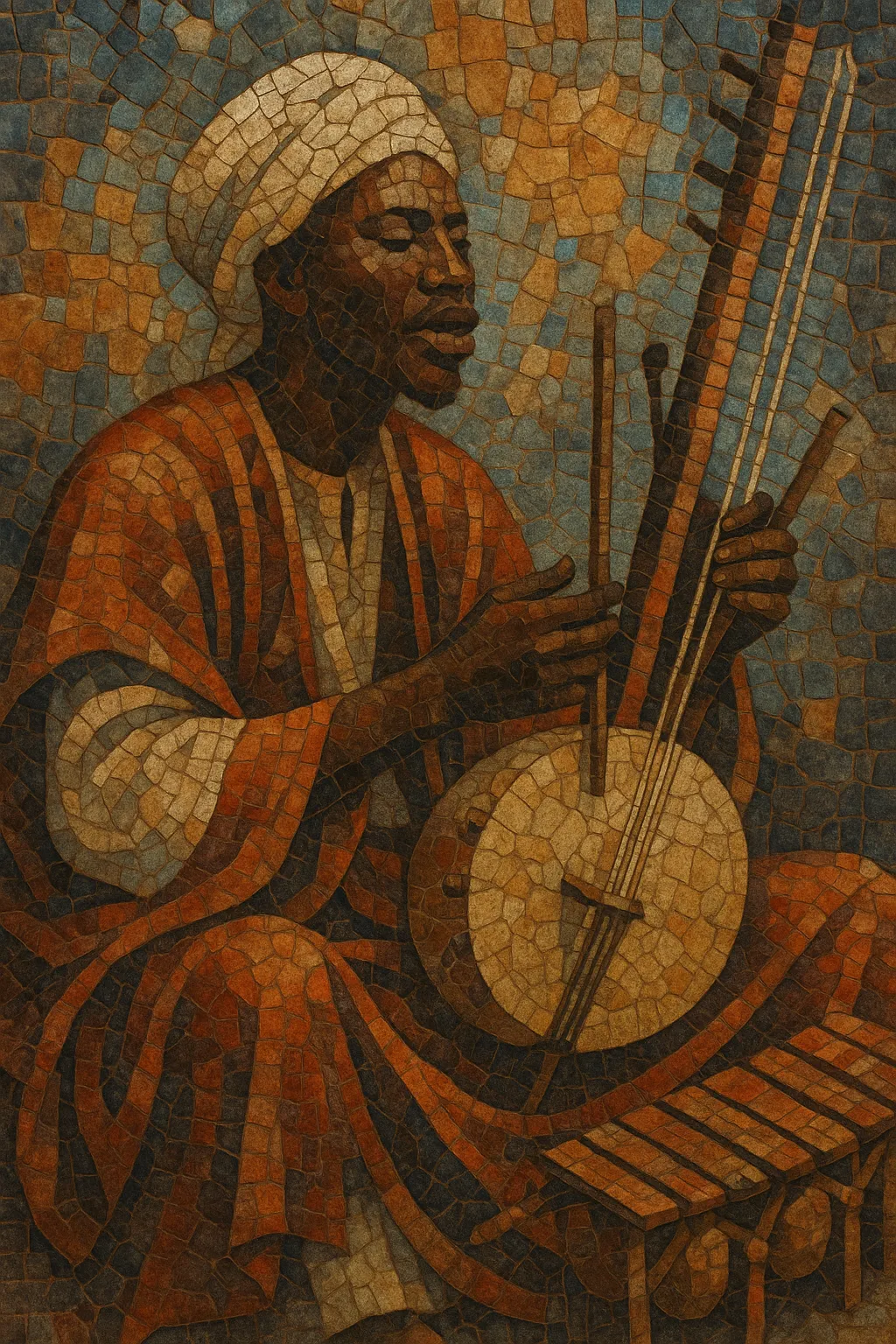
Griot (also called jeli/jali) is the hereditary West African tradition of poet-singers, historians, and musicians whose craft combines storytelling, praise-singing, genealogy, diplomacy, and music.
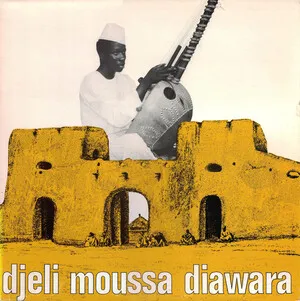
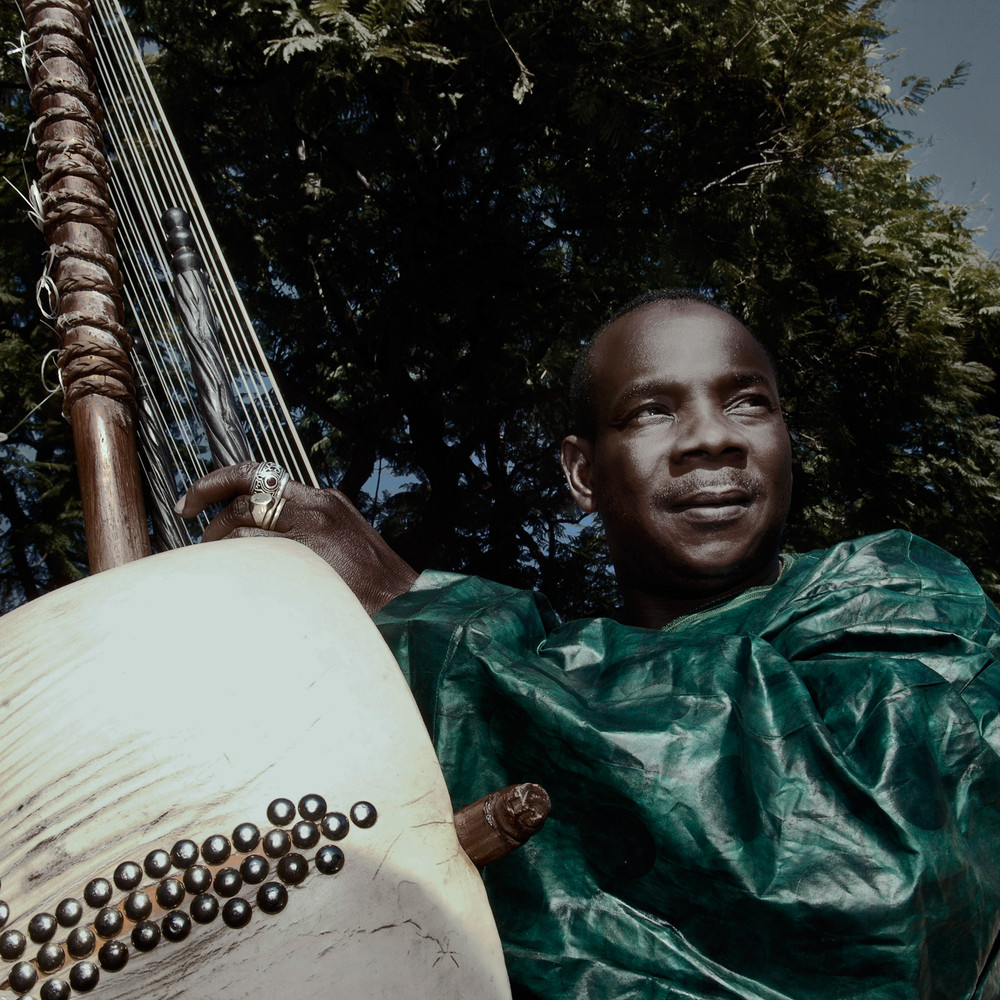
It is centered in the Mande world of today’s Mali, Senegal, Gambia, and Guinea, and is best known for virtuosic performances on the kora (21‑string harp-lute), balafon (xylophone), and ngoni (lute), alongside powerful, ornamented vocals.
Griot music is structured around cyclical ostinatos with improvisatory flourishes, call-and-response, and text that preserves communal memory—epics, lineages, and moral instruction—delivered in languages such as Mandinka and Bambara.
While deeply traditional, the griot aesthetic has adapted to modern stages and studios, influencing global “world music,” West African pop, and blues-derived styles.
History
The griot tradition coalesced in the 13th century alongside the rise of the Mali Empire. Hereditary musician-castes (jeliw/jaliya) served royal courts as historians, diplomats, mediators, and praise-singers. Their authority rested on mastery of lineage lore, rhetorical skill, and musical command of instruments like the kora, balafon, and ngoni.
Griot knowledge was transmitted within families through apprenticeship. Repertoires included epic cycles (notably narratives related to Sundiata Keita), genealogies, proverbs, and praise songs for patrons. Musically, performance centered on cyclical accompaniment patterns (kumbengo) supporting improvisatory lines (birimintingo), with flexible meter and modal frameworks native to Mande aesthetics.
Under colonial rule, griots adapted their practice to shifting patronage, from courts to urban audiences and radio. In the mid-20th century, national ensembles and state recording initiatives helped canonize repertoires. Griot artistry entered pan-African stages and international circuits via festivals and tours.
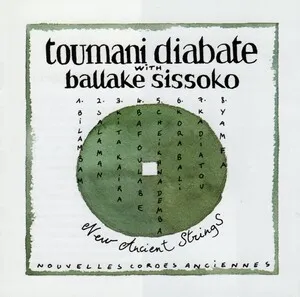
From the late 20th century onward, artists such as Toumani Diabaté and Mory Kanté brought kora and griot song to global audiences, collaborating across jazz, pop, and orchestral settings. The tradition remains vibrant in ceremonies and local patronage while thriving in contemporary formats—from solo acoustic concerts to amplified bands—preserving its narrative function and expanding its sound palette.