Your digging level
Description
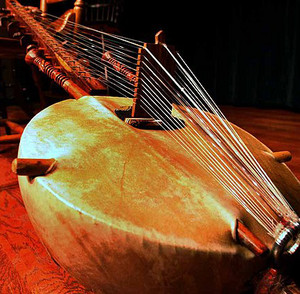
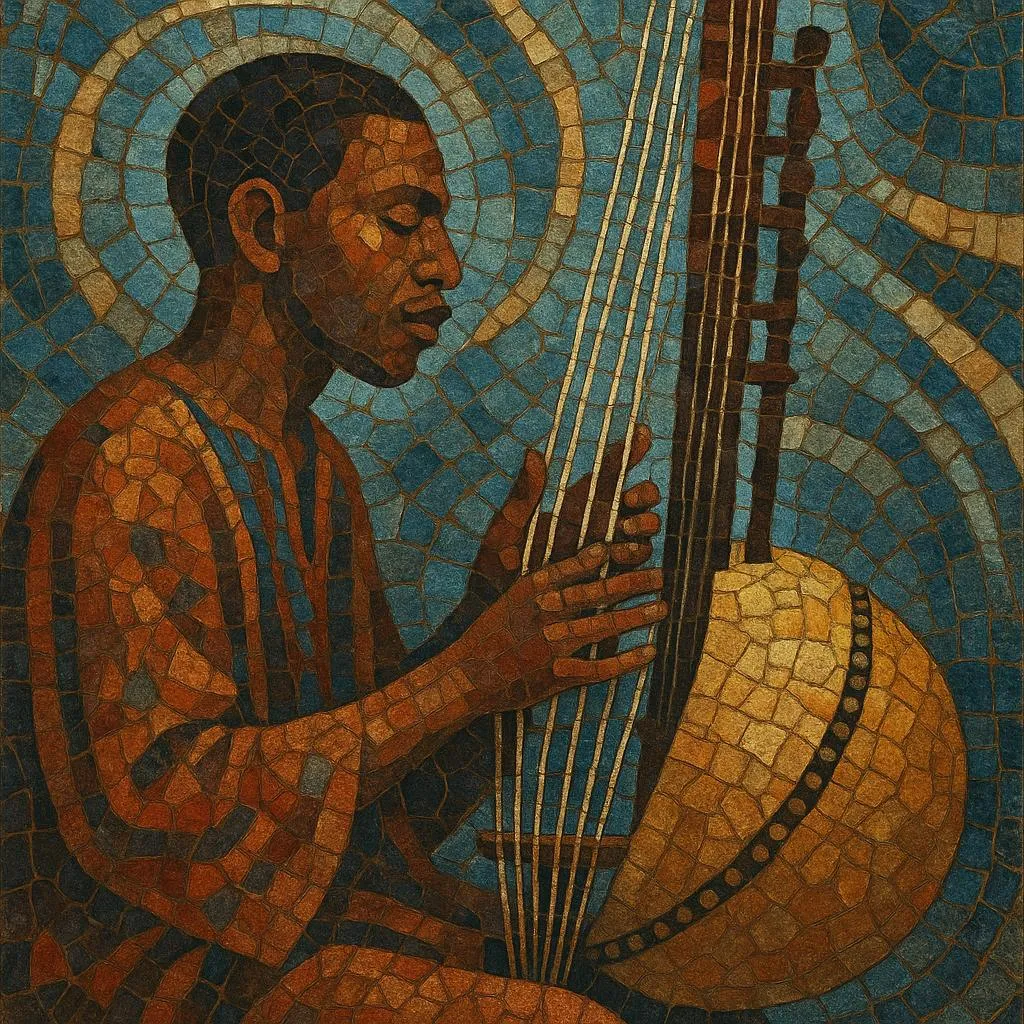
Kora music is a musical style centered on the kora, a 21‑string West African harp‑lute with a large calabash resonator and a notched bridge. It is performed by hereditary musician‑historians known as jeliw (griots) of the Mande world.
Characterized by interlocking left‑ and right‑hand patterns, kora music balances cyclical ostinatos (kumbengo) with dazzling improvisations (birimintingo), and often supports praise‑singing or epic story‑telling. Its modal tunings (such as Tomora, Sauta, Silaba, and Hardino) and flowing, bell‑like timbre produce a serene yet rhythmically intricate sound that has become emblematic of the Mande tradition.
In contemporary contexts, kora music remains a solo and ensemble art but also blends readily with jazz, blues, and global pop, while keeping its core identity as a musical style featuring kora instrumentation.
History
Oral histories among Mandinka jeliw ascribe the emergence of the kora to the 18th century in the Gambia River region. From its inception, the instrument served the hereditary jeli caste as a vehicle for genealogies, court histories, moral instruction, and praise‑singing. Early kora practice codified key concepts still heard today: modal tunings (e.g., Tomora, Sauta, Silaba, Hardino), cyclical ostinatos (kumbengo), and virtuosic ornamental runs (birimintingo).
Despite colonial disruptions, the jeliya system persisted across present‑day The Gambia, Senegal, Mali, Guinea, and Guinea‑Bissau. The first published descriptions and sporadic recordings of kora performance appeared in the mid‑20th century, documenting solo practice and voice‑accompanied styles in royal and community settings.
Post‑independence national arts initiatives and festivals brought kora soloists to international stages. Pioneers such as Alhaji Bai Konte and Foday Musa Suso introduced the kora to European and North American audiences, while Malian masters including Sidiki Diabaté and his son Toumani Diabaté defined the modern concert kora, setting new standards for solo artistry and ensemble interaction. Recordings from Dakar, Bamako, and Banjul circulated widely, positioning kora music as a flagship of West African heritage.
Kora music increasingly intersects with jazz, blues, and global pop. Collaborations with string quartets, jazz rhythm sections, and electronic producers have expanded its palette without erasing core techniques. At the same time, a new generation—Seckou Keita, Ballaké Sissoko, Sona Jobarteh, Jaliba Kuyateh, among others—has revitalized classical repertoire (e.g., “Kaira,” “Jarabi,” “Mali Sadio”) and created new works, sustaining transmission within jeli families while engaging conservatories and world‑music circuits.