Your digging level
Description
Malian traditional music is the continuum of courtly, ritual, and community styles that took shape around the 13th‑century Mali Empire and have been maintained by hereditary musician‑historians (jeli/griot) and diverse Sahelian peoples.
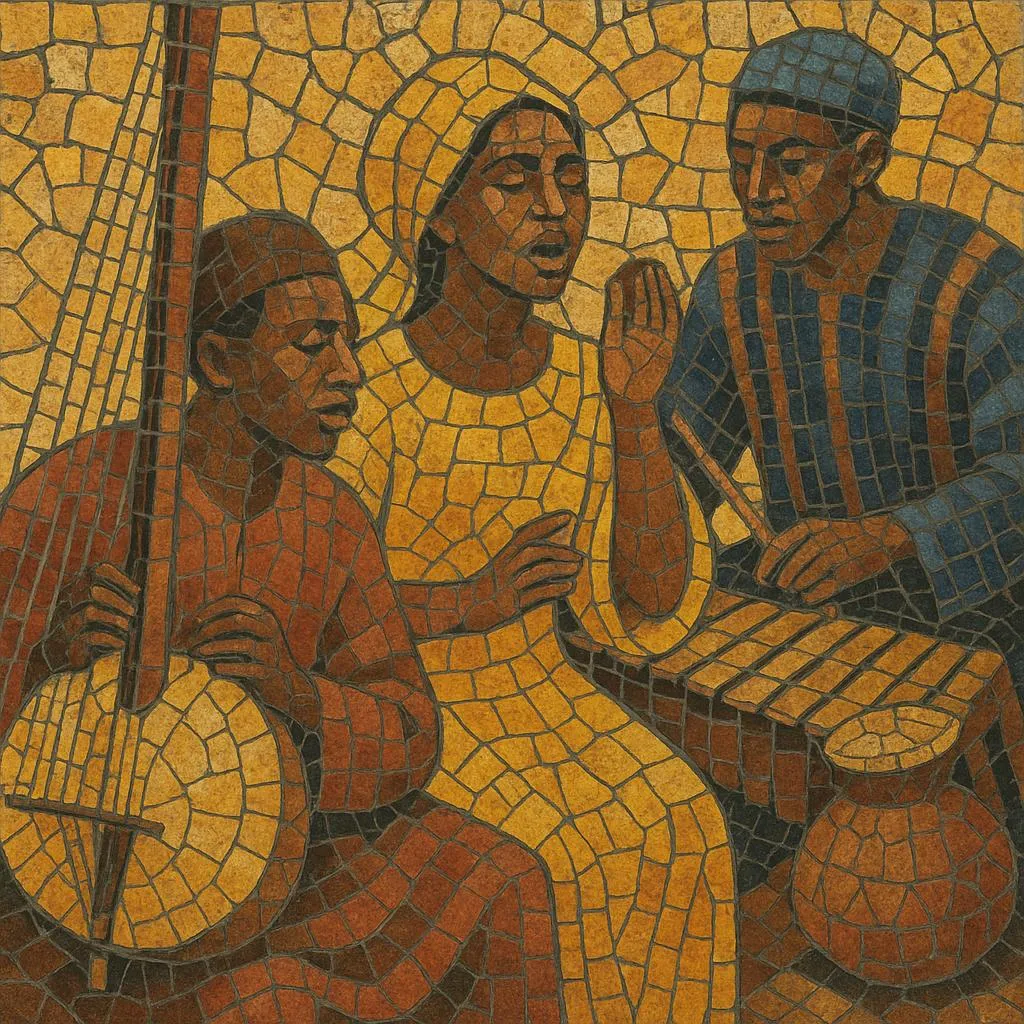
It is defined by plucked harps and lutes (kora, ngoni/donso ngoni, bolon), resonant xylophones (balafon), hand drums (djembe, calabash), flutes (tambin), and call‑and‑response vocals in languages such as Bambara/Bamana, Maninka/Mandinka, Soninke, Songhai, Fulfulde, and Tamasheq. Repertoires include praise poetry, epic narratives (e.g., the Sunjata cycle), hunters’ music, dance pieces, and trance or possession rites.
Musically, it favors pentatonic or modal melodies articulated through cyclical ostinatos, interlocking polyrhythms in 6/8 and 12/8, and the classic griot texture of steady accompaniment patterns (kumbengo) punctuated by virtuosic runs (birimintingo). Timbres are earthy yet shimmering, with subtle microtonal inflections and a flowing, speech‑like prosody that links song to oratory and genealogy.
History
The roots of Malian traditional music lie in the Mali Empire (from ca. 1235), where jeliya (the art of the jeli/griot) became a hereditary institution tasked with preserving dynastic histories, ethics, and social memory through song. Court ensembles developed sophisticated repertoires for kora, ngoni, and balafon, while hunters’ associations maintained distinct ritual music (donso ngoni) connected to forest lore and healing. Across the Niger bend, Songhai communities cultivated epic and dance genres, and to the north, Tamasheq (Tuareg) groups carried tindé drum songs and poetic traditions.
French colonial rule altered patronage systems but did not erase hereditary lineages. Early field recordings from the 1930s–50s captured griot praise songs, balafon orchestras, and Sahelian vocal styles. Musicians adapted to new performance contexts—markets, radio, and urban ceremonies—while instruments and repertoires traveled along trade and migration routes.
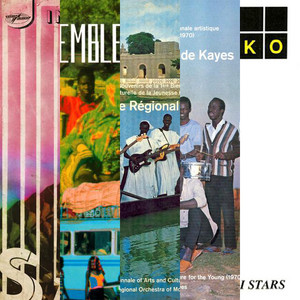
After independence in 1960, Mali launched festivals and state ensembles (e.g., national orchestras, the Ensemble Instrumental) to valorize regional traditions on modern stages. These groups arranged traditional pieces for larger forces, standardizing tunings and forms without severing links to jeliya, hunters’ music, takamba (Songhai), and other village genres. This period canonized emblematic repertoires and raised the global profile of Malian music.
From the 1990s onward, master musicians toured internationally, often presenting kora, ngoni, balafon, and Takamba styles in intimate, acoustic formats. Parallel scenes in Bamako and regional centers continued to sustain rites of passage, weddings, and local festivals. While desert‑guitar idioms and pop fusions grew around them, custodians of tradition emphasized lineage pedagogy, oral poetry, and classic structures (kumbengo/birimintingo), ensuring continuity amid innovation.