Your digging level
Description
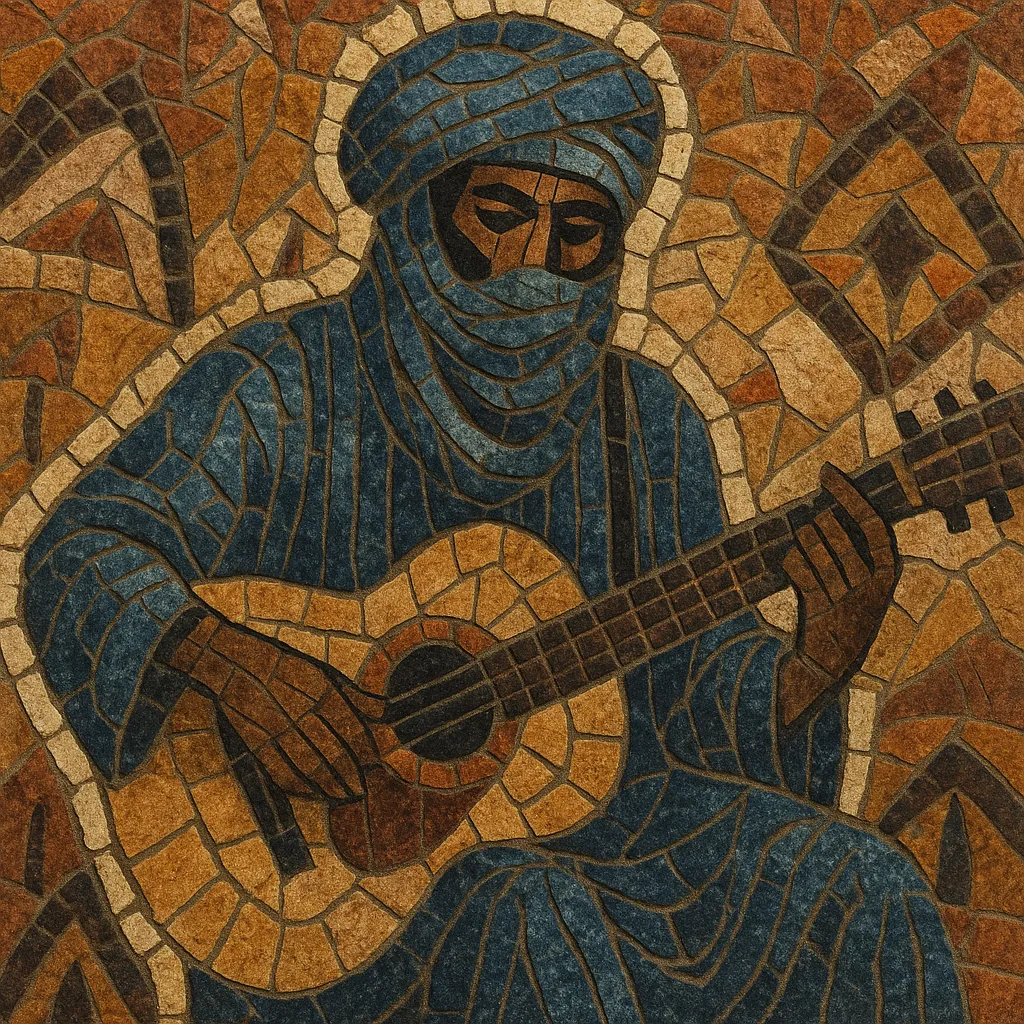
Tuareg guitar is a Saharan style that electrifies traditional Tuareg melodies and poetry with loping, trance-like grooves and cyclical guitar figures.
Characterized by pentatonic riffs, call-and-response vocals in Tamasheq, and a hypnotic “camel gait” pulse, it blends desert blues feeling with rock minimalism and a dry, overdriven tone.
The lyrics often address exile, resistance, landscape, and communal life, continuing a modern griot function while carrying the sonic dust and spacious horizons of the Sahara.


History
Tuareg guitar took shape among Tuareg (Amazigh) communities of the central Sahara, especially in northern Mali and southern Algeria. Young Tuareg, many displaced by drought and conflict, adapted traditional melodies to electric guitars, borrowing the lilt of tende songs and the rhythmic sensibility of takamba. Early exposure to blues and rock cassettes suggested a shared pentatonic vocabulary and a raw, modal approach that suited the desert’s expansive feel.
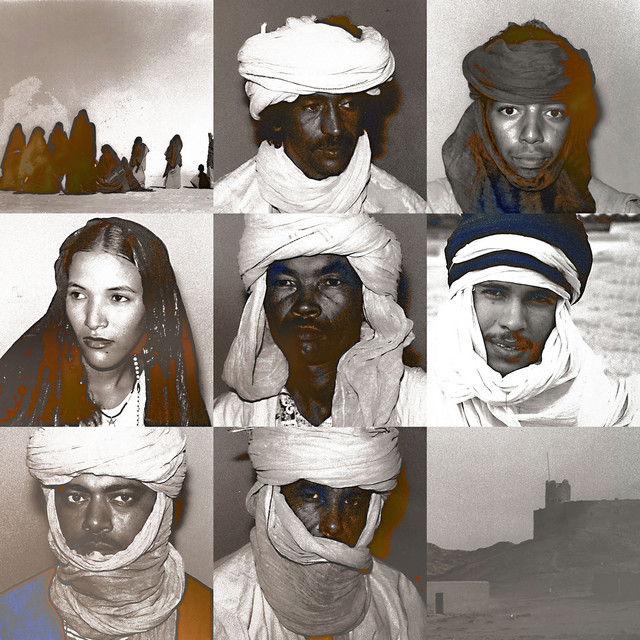
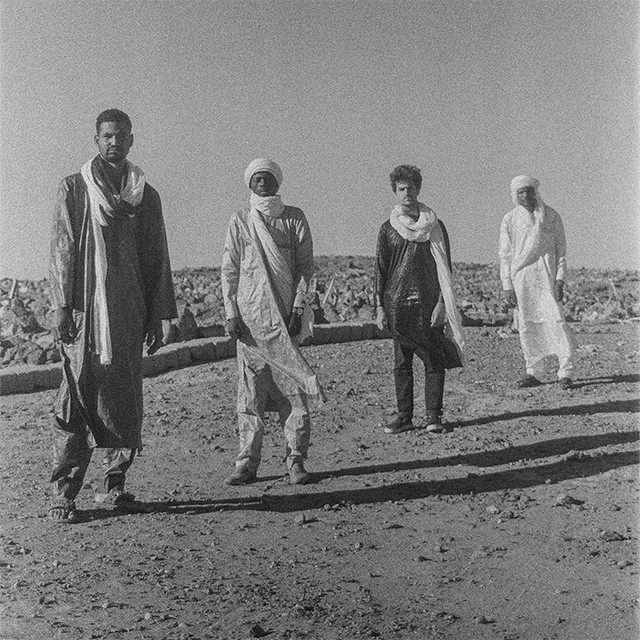
In exile camps and towns around Tamanrasset (Algeria) and in Libya, musicians developed the ishumar/tishoumaren movement—music of youth, migration, and political consciousness. Performances were informal, amplification was makeshift, and recordings circulated via hand-to-hand cassettes. Bands like Tinariwen crystallized the idiom: interlocking guitars, unison bass drones, handclaps/tende-derived rhythms, and collective refrains that carried messages of identity and autonomy.
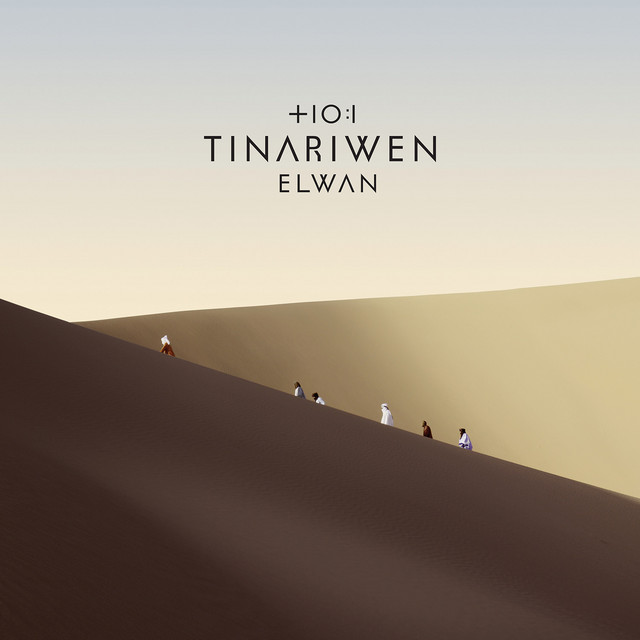
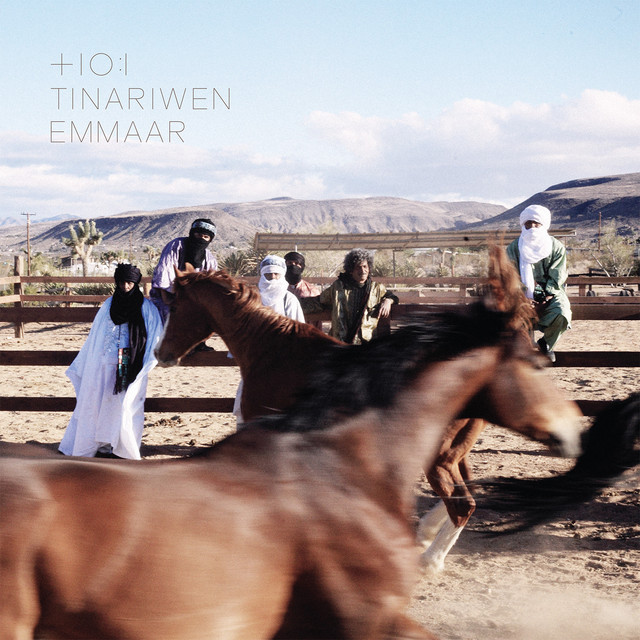
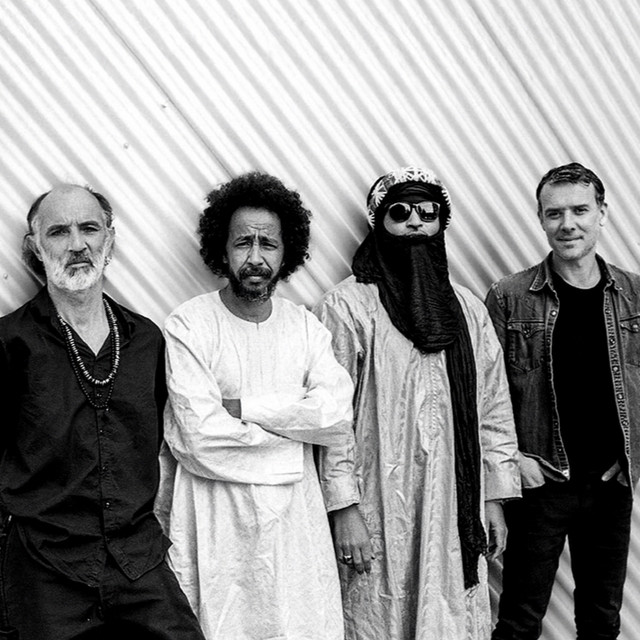
With the post-cassette era came studio recordings and touring. Tinariwen’s albums brought global attention, followed by younger groups from Mali and Niger—Tamikrest, Terakaft, Imarhan—who refined production while keeping the trance core. The idiom was often labeled “desert blues,” though its lineage is equally Tuareg and Sahelian.
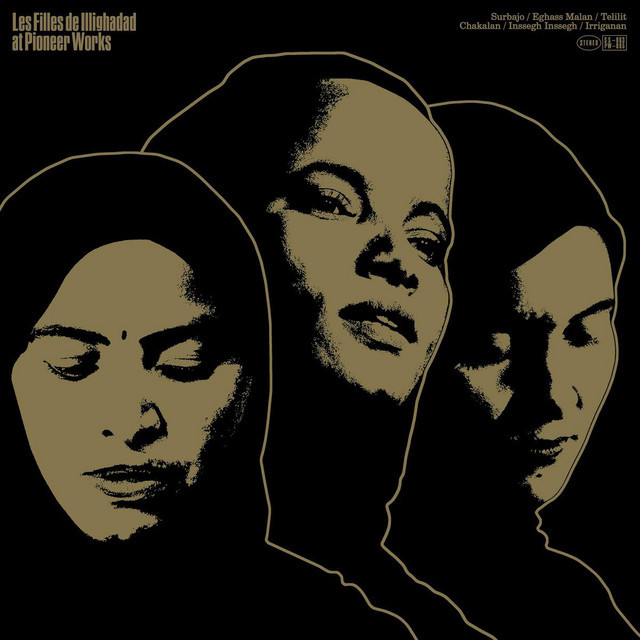
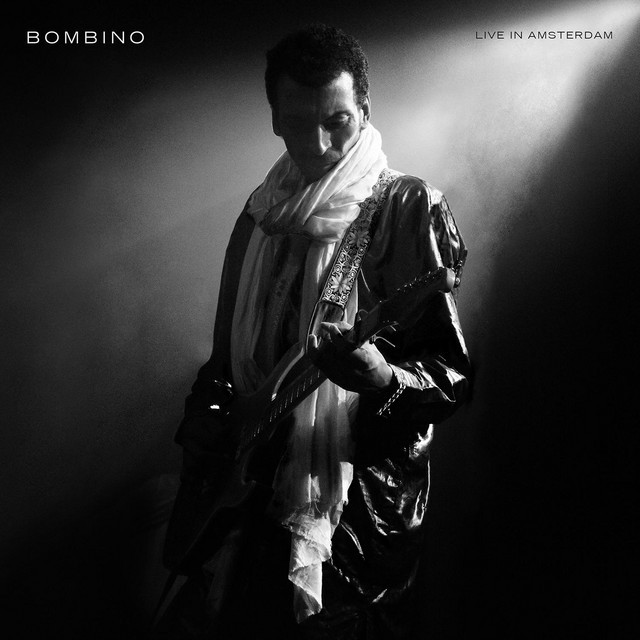
Guitarists like Bombino and Mdou Moctar introduced faster tempos, guitar hero pyrotechnics, and psychedelic extensions, while bands such as Les Filles de Illighadad foregrounded women’s voices and tende rhythms, reconnecting to village ceremony. The style remains a living tradition—politically aware, community-centered, and continually evolving across local weddings, regional festivals, and international stages.