Your digging level
Description
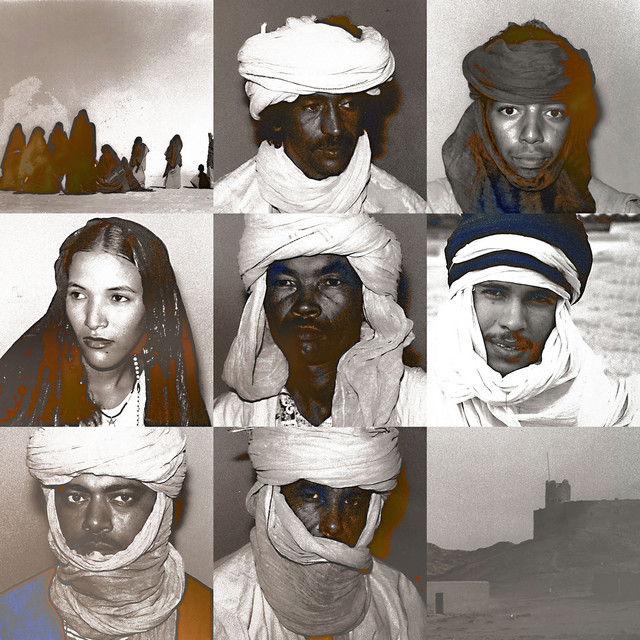
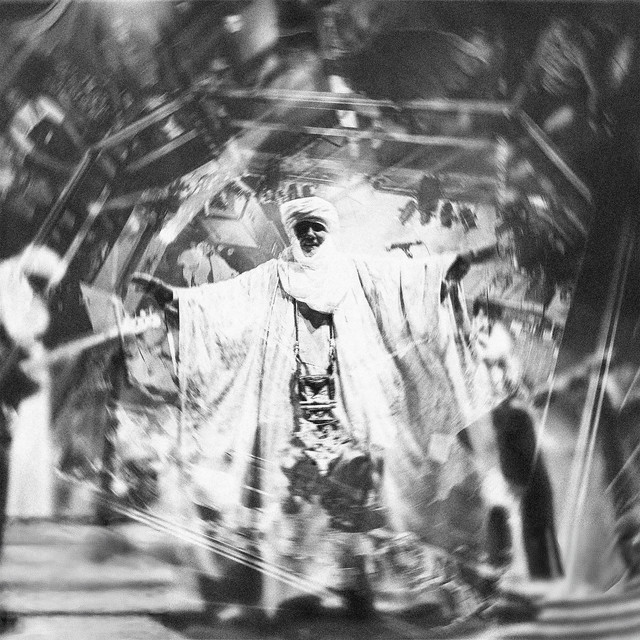
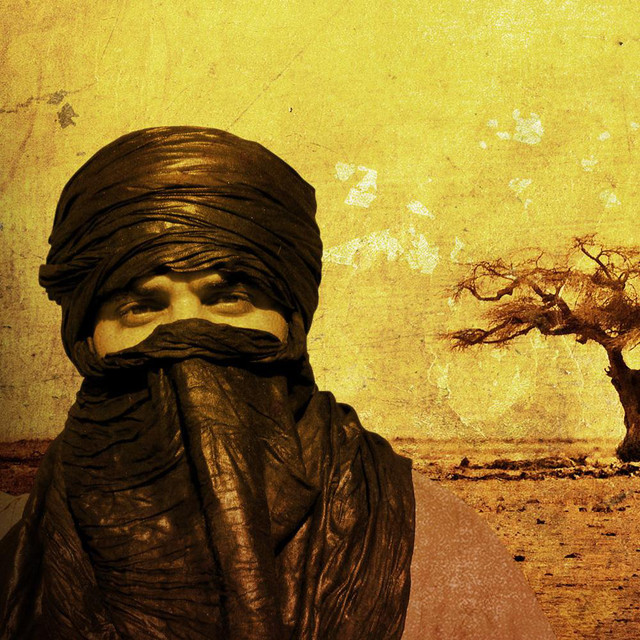
Musique touareg (Tuareg music) refers to the distinctive sonic world of the Tuareg (Amazigh) people of the Sahara, combining ancient vocal and percussion traditions with a modern, guitar‑driven “ishumar” sound. It is often hypnotic and polyrhythmic, built around loping, camel‑gait grooves, call‑and‑response vocals, and modal melodies that can feel both melancholic and resolute.
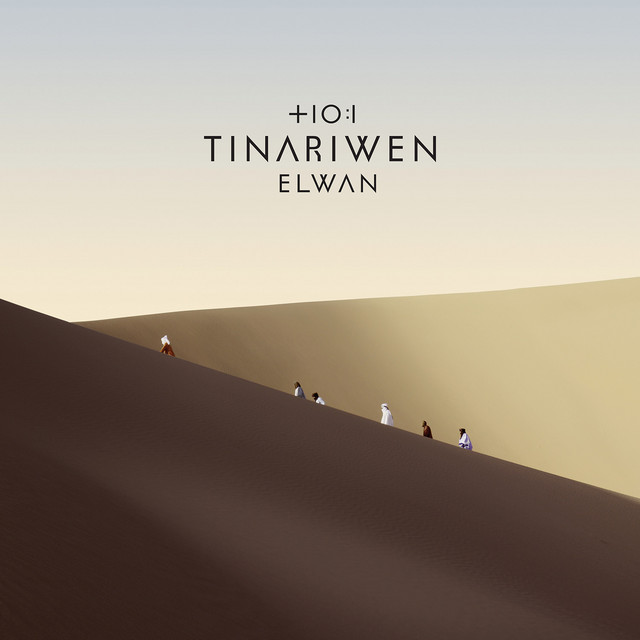
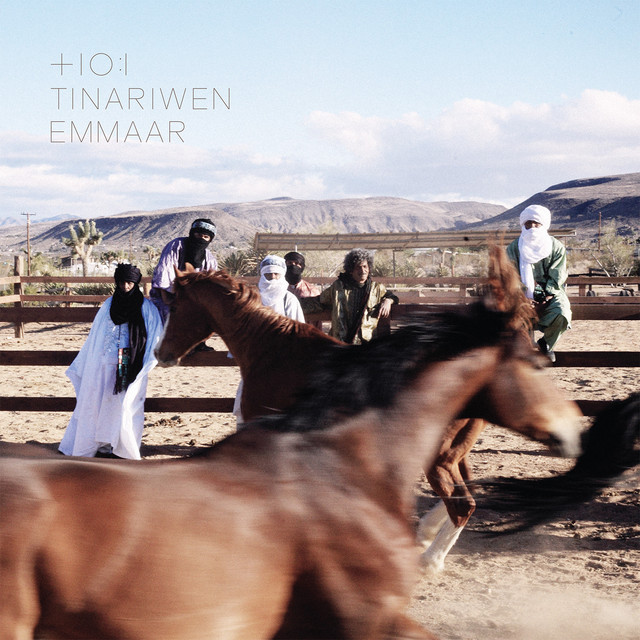
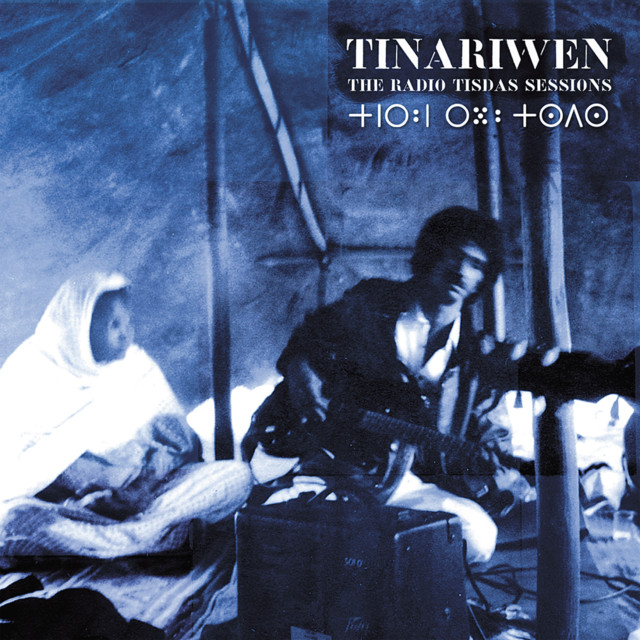
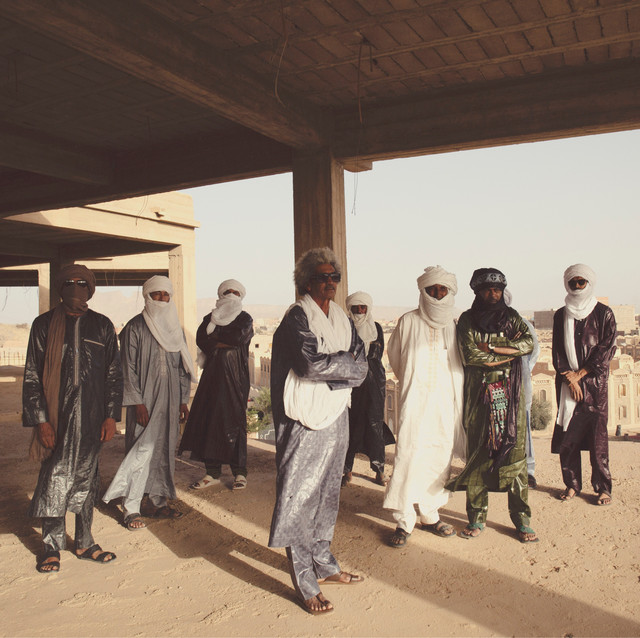
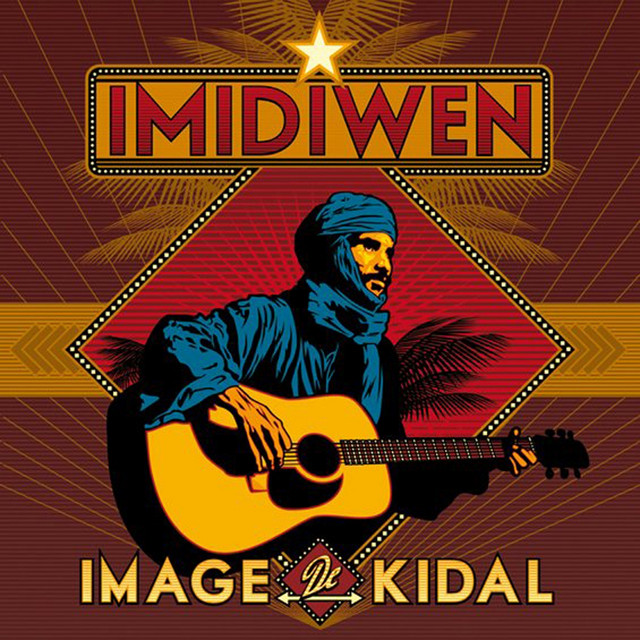
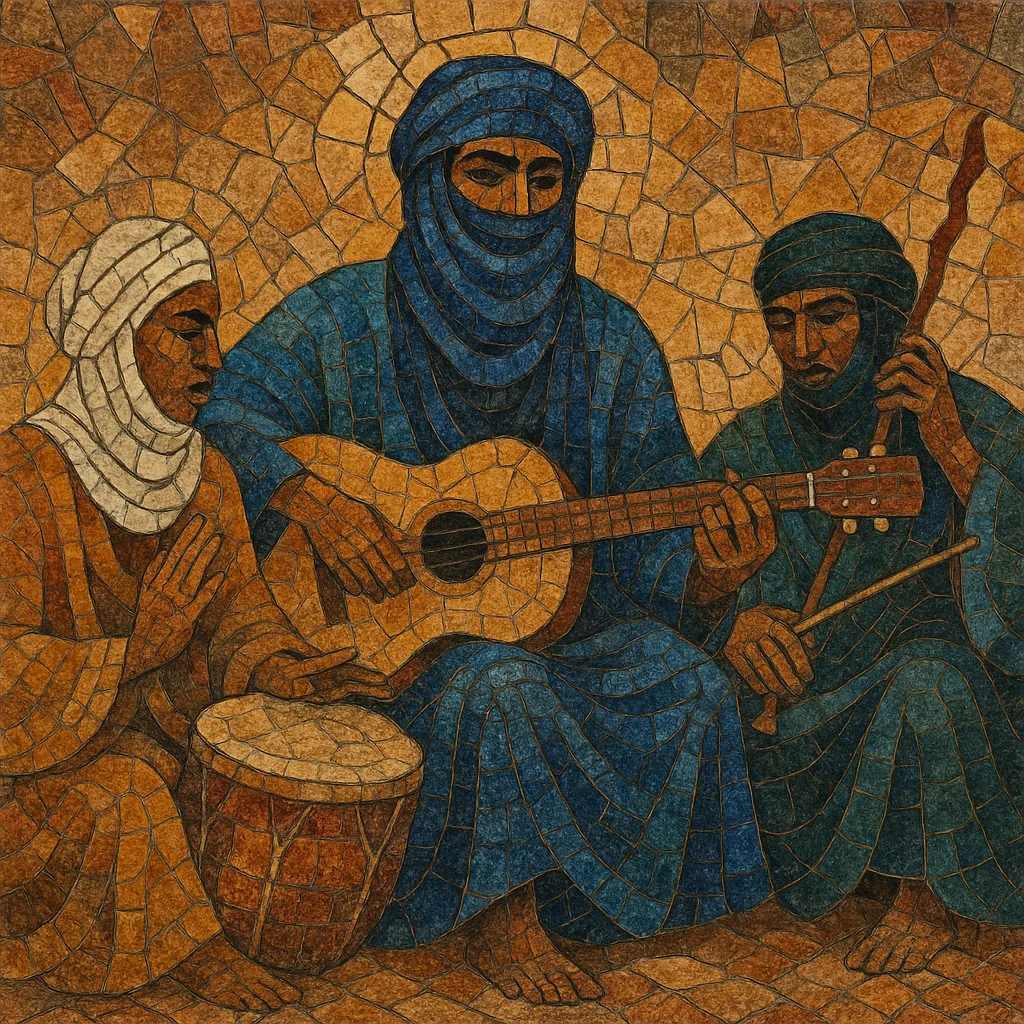
At its core are traditional ensembles centered on the tende drum and the one‑string imzad fiddle, alongside communal clapping and ululations. Since the late 20th century, amplified guitars—usually in open or modal tunings with pentatonic figures and subtle drones—have become central, producing the globally recognized ‘desert blues’ timbre associated with bands like Tinariwen and their peers.
Lyrics are typically sung in Tamasheq and draw on poetic traditions that speak to nomadic life, landscape, exile, resistance, spirituality, and solidarity—conveying the Tuareg concept of “assouf,” a felt sense of longing and desert night introspection.
History
Tuareg musical practices long predate modern recording. Women’s imzad (a single‑string bowed fiddle) ceremonies and tende (mortar‑drum) songs formed social and ritual cores, with poetry and collective rhythms binding communities across the Sahara. These practices belong to the broader Amazigh cultural sphere and intersected for centuries with Sahelian and West African currents through trade routes and migration.
In the late 1970s and 1980s, political upheaval and displacement led many Tuareg youth (ishumar) into exile across Libya, Algeria, and beyond. In this diaspora, acoustic and then electric guitars became a portable voice of identity and dissent. Players adapted modal motifs and vocal phrasing from tende and imzad to guitar, blending them with blues phrasing and Sahelian rhythms. This style—often called tishoumaren—coalesced as a modern Tuareg sound.
From the late 1990s and early 2000s, artists such as Tinariwen and later Bombino, Mdou Moctar, and others brought musique touareg to international stages. Field recordings, regional studios in Agadez, Kidal, and Tamanrasset, and global labels helped codify the aesthetic: interlocking guitars, handclaps, chorus vocals, and steady, trance‑like grooves. The music’s themes—exile, cultural memory, autonomy—resonated widely, while retaining a deeply local poetic and rhythmic logic.
Today, the genre spans traditional tende/imzad performance and electrified bands that experiment with fuzz tones, synths, and rock backbeats. Collectives across Mali, Niger, and Algeria sustain community music‑making, while younger artists expand production techniques and song forms. Despite its evolution, the core remains: modal melodies, communal participation, and lyrics that carry Tuareg history and hope.