Your digging level
Description
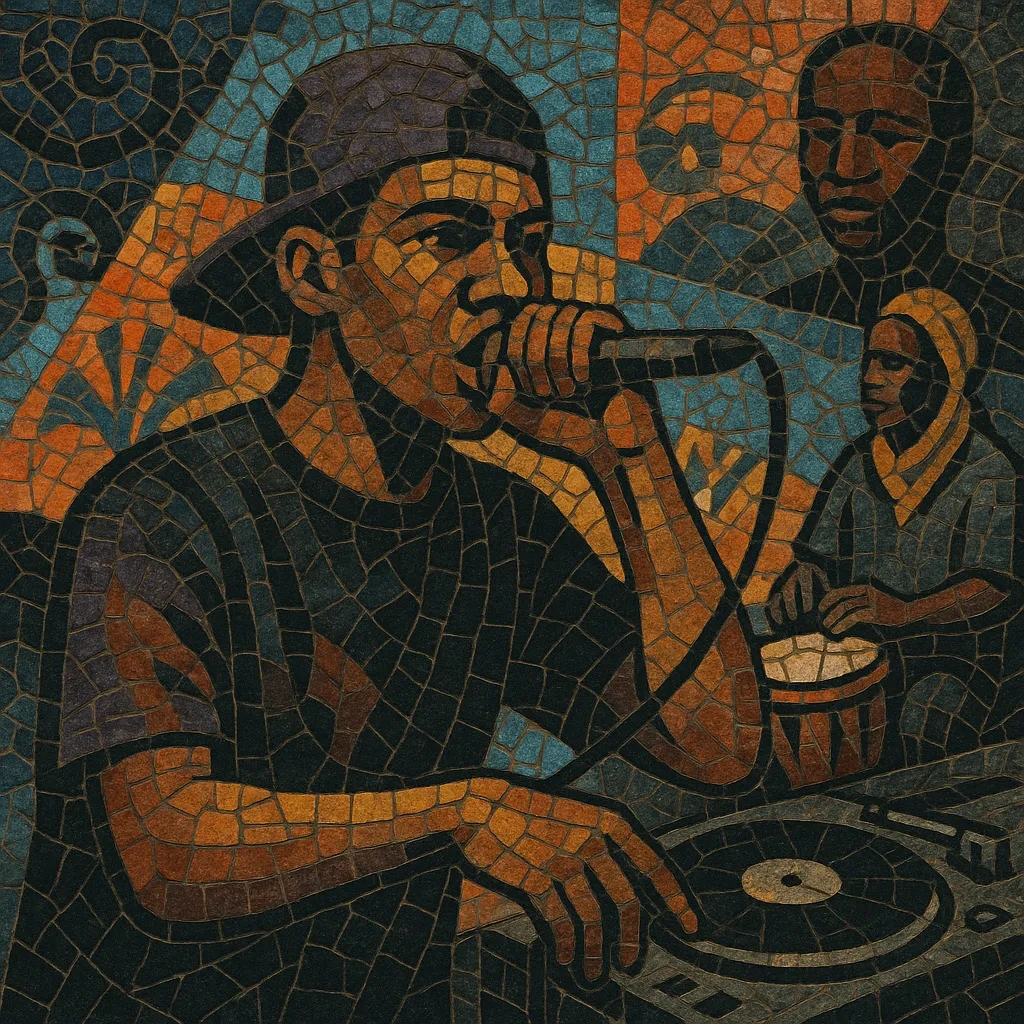
Hip hop galsen is the Senegalese branch of hip hop culture, named after the local slang “Galsen” for Sénégal. It blends the core elements of hip hop (MCing, DJing/production, breaking, graffiti) with Senegal’s linguistic, rhythmic, and social realities.
Artists typically rap in Wolof and French (often code‑switching, with English phrases at times), and ride beats that interweave boom‑bap or modern trap frameworks with Senegalese percussion aesthetics—especially sabar and tama (talking drum) timbres and patterns. Lyrically, hip hop galsen is renowned for incisive social commentary, civic mobilization, and political critique, while still embracing party cuts, street storytelling, and battles.
The result is a style that feels both unmistakably hip hop and distinctly West African: punchy, percussive flows over polyrhythmic grooves, call‑and‑response hooks, and a griot‑like emphasis on testimony, advice, and public address.


History
Hip hop arrived in Senegal in the early 1980s through imported cassettes, radio, and diaspora links. Early crews formed in Dakar’s neighborhoods (e.g., Pikine, Guédiawaye), adopting breaking and rap while immediately tying the culture to youth identity and civic expression. From the outset, the local language (Wolof) and traditional drumming informed cadence and beat choices, giving the new style a recognizable Senegalese accent.
By the 1990s, pioneering groups crystallized hip hop galsen’s reputation. Crews and MCs professionalized live performance, refined Wolof‑French flows, and began fusing sabar/tama colors with boom‑bap production. International touring and collaborations helped introduce the scene to broader African and European audiences, while local stages and radio cemented a strong domestic following. Awards and festival circuits in the early 2000s further validated the movement globally.
Senegal’s rappers became prominent civic actors, channeling frustration with unemployment, corruption, and governance into anthems and grassroots organizing. The emergence of youth movements and media projects featuring rappers underscored hip hop galsen’s role as a public microphone. YouTube, homegrown studios, and social media expanded reach, enabling rapid cross‑border exchanges with other West African and Francophone hip hop hubs.
Today, hip hop galsen spans classic boom‑bap and sleek trap, often peppered with sabar/tama loops, mbalax‑adjacent rhythmic feels, Afrobeats touches, and sung hooks. Lyrically, artists balance activist messaging with storytelling and club‑ready energy. The scene continues to influence Francophone African rap, while new generations keep the tradition of sharp social critique and high‑octane performance alive.