Your digging level
Description
Friese bries is a mid‑1980s regional scene from the Dutch province of Friesland (Fryslân) defined by a collision of punk energy and new‑wave/post‑punk atmospherics.
Bands favored taut, angular guitars, driving bass lines, and snare‑forward drumming, sometimes offset by chorus‑ or flanger‑washed textures and occasional drum machines. Lyrics appeared in Frisian, Dutch, or English, with themes ranging from small‑town life and provincial identity to youthful restlessness and wry social commentary.
The term was used by Dutch music press to describe a breeze (“bries”) of demo cassettes, 7‑inches, and LPs that poured out of Friesland’s DIY infrastructure—youth centers, local talent contests, small labels, and college radio—during roughly 1985–1990.
History
Dutch weekly OOR dubbed the surge of alternative guitar bands from Friesland a “Friese Bries” as piles of demos and indie releases arrived from the province. The phrase framed a local, DIY ecosystem of youth‑centre stages, talent shows, and small labels nurturing punk/new‑wave hybrids.
Key spark points included local competitions such as the Kleine Prijs van Sneek and festivals like Sneekwave ’85, where Kobus Gaat Naar Appelscha (KGNA) appeared alongside national and international acts, signaling that the Frisian wave could hold its own outside the province.
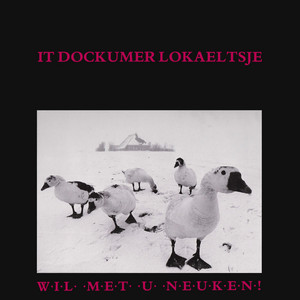
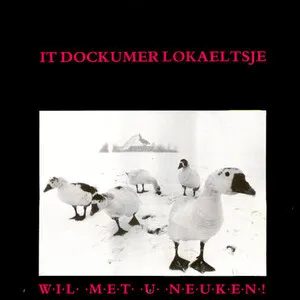
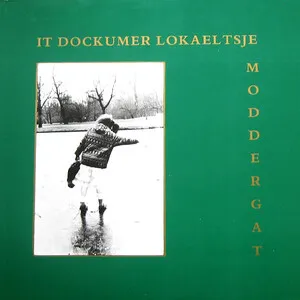
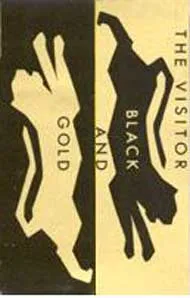
Groups such as Christ In Concrete, L.U.L., Umberto di Bosso é Compadres, It Dockumer Lokaeltsje, and The Visitor established the scene’s sound: terse songs, punk urgency, post‑punk structure, and a willingness to sing in Frisian. Several of these bands won regional prizes, recorded for indie labels (e.g., Top Hole, Sound & Vision), and toured widely across the Netherlands.
Stichting Friesland Pop amplified the scene with compilations (e.g., Frisian Airplay, 1988) and promo singles, while press coverage cemented “Friese Bries” as shorthand for the 1985–1990 burst of alternative guitar rock from Fryslân. The period also saw bands like The Serenes emerge from Friesland with a cleaner jangle‑pop take that still carried the region’s introspective, windswept character.
Though short‑lived as a label, Friese bries normalized Frisian‑language rock in alternative circles and seeded later Frisian indie/alt activity—its DIY ethos, bilingual lyric practice, and tight post‑punk musicianship continuing to echo in regional scenes and archives.

Top albums
Best playlists