Your digging level
Description
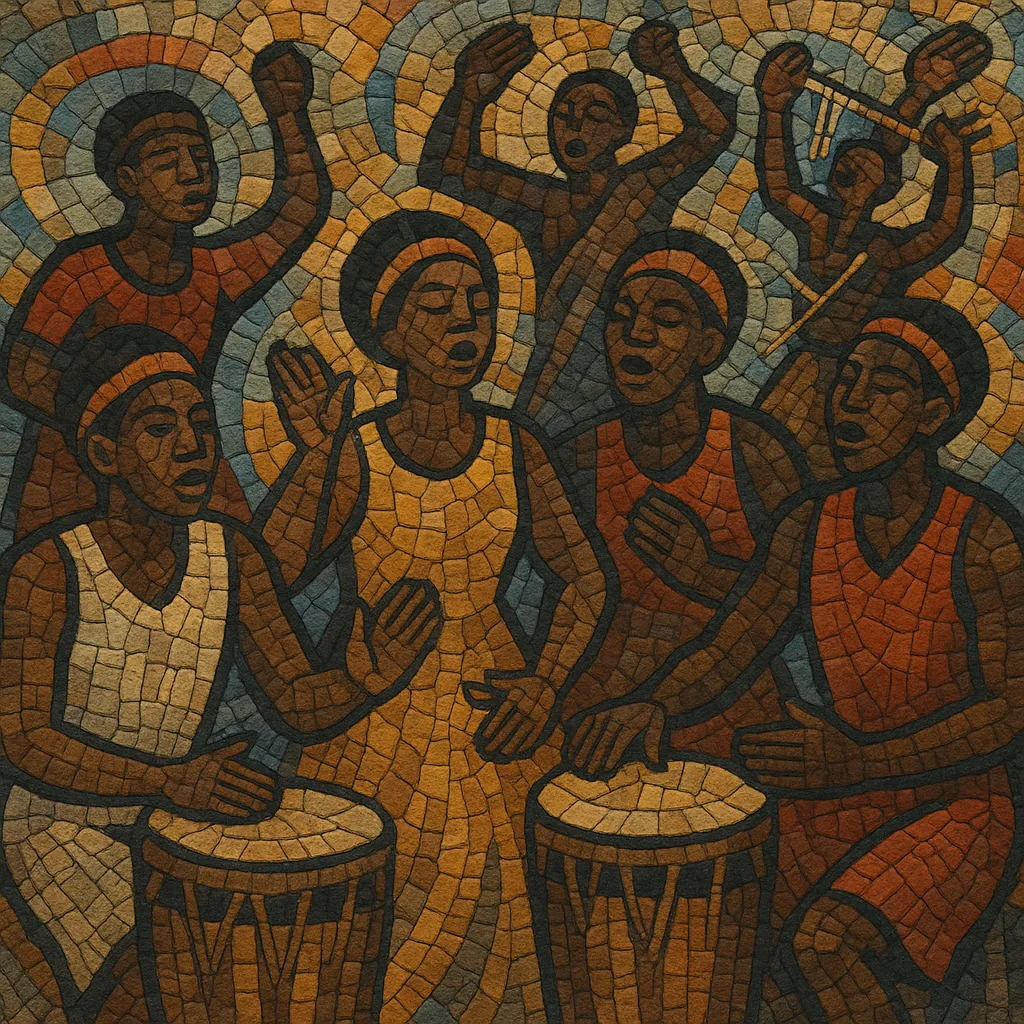
Inkiranya is the traditional royal-drumming style of Burundi, named after the central lead drum (the inkiranya) that directs the ensemble. The music is performed on large, rope-tensioned, cowhide–covered barrel drums (ingoma) arranged around the lead drum and struck with heavy wooden sticks.
An inkiranya performance features interlocking polyrhythms in compound meters (often 6/8 or 12/8), powerful call-and-response signals from the lead drummer, and choreographed movement in which drummers lift and dance with the drums. Historically tied to the Burundian monarchy, the style functions as ceremonial music for processions, enthronements, harvests, and communal celebrations, projecting grandeur, unity, and collective vitality.
History
Inkiranya developed within the royal courts of precolonial Burundi, where the drum ensemble (ingoma) served as a sonic emblem of kingship and communal order. The lead drum—also called inkiranya—guided a circle of supporting drums that maintained cyclical ostinatos and accented calls. Performances marked royal ceremonies, agricultural seasons, and rites of passage, consolidating social bonds through collective rhythm and movement.
During the colonial period, inkiranya remained a vital cultural practice, performed in courtly settings and local festivities despite political upheavals. The style’s transmission stayed largely oral: master drummers trained younger players in repertoire, drum-making, and ensemble etiquette, preserving the idiom’s structures and ceremonial meanings.
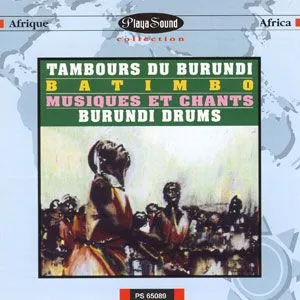
From the 1960s onward, touring ensembles—most famously the Royal Drummers of Burundi (Les Maîtres‑Tambours du Burundi)—introduced inkiranya’s breathtaking power to global audiences. Recordings, international festivals, and collaborations elevated its profile and influenced non‑Burundian musicians interested in African polyrhythms and ceremonial percussion.
In 2014, UNESCO inscribed the “Ritual dance of the royal drum” of Burundi on the Representative List of the Intangible Cultural Heritage of Humanity, acknowledging the practice’s cultural significance. Today, inkiranya thrives through community drum sanctuaries, cultural troupes, and educational projects that sustain drum‑making, repertoire, and performance protocols while engaging respectfully with contemporary stages.