Your digging level
Description
Bolobedu House (often referred to simply as 'Bolo House') is a vibrant and energetic subgenre of South African house music that originated in the Limpopo province. It is characterized by its distinct fusion of modern electronic production with traditional Khelobedu folk rhythms and melodies. The genre is famous for its high-tempo beats (often ranging from 115 to 125 BPM or faster), aggressive and often distorted synth leads, and the heavy use of pitch-bending effects. Vocals are typically delivered in the Khelobedu dialect of Northern Sotho, often utilizing auto-tune and call-and-response structures that narrate social commentary, humorous stories, or romantic tales.

History
Bolobedu House emerged from the Bolobedu region in Tzaneen, Limpopo, during the early to mid-2010s. Producers began experimenting with FL Studio to modernize traditional Khelobedu folk songs, blending them with the rhythmic structures of Afro House and Kwaito.
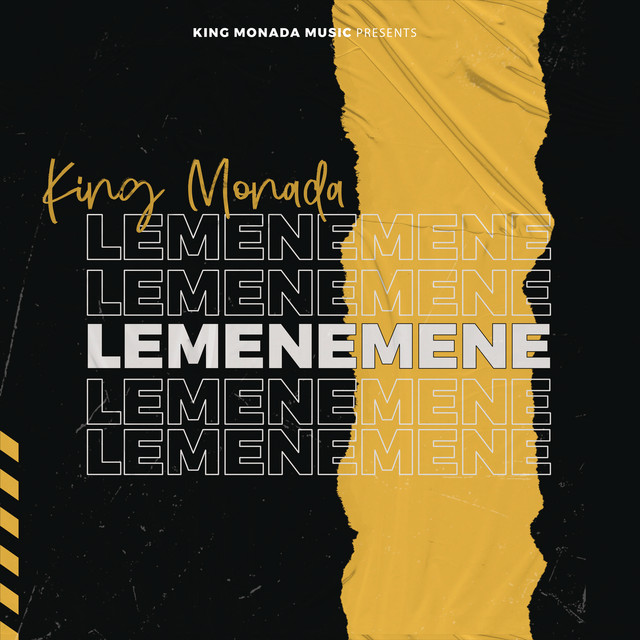
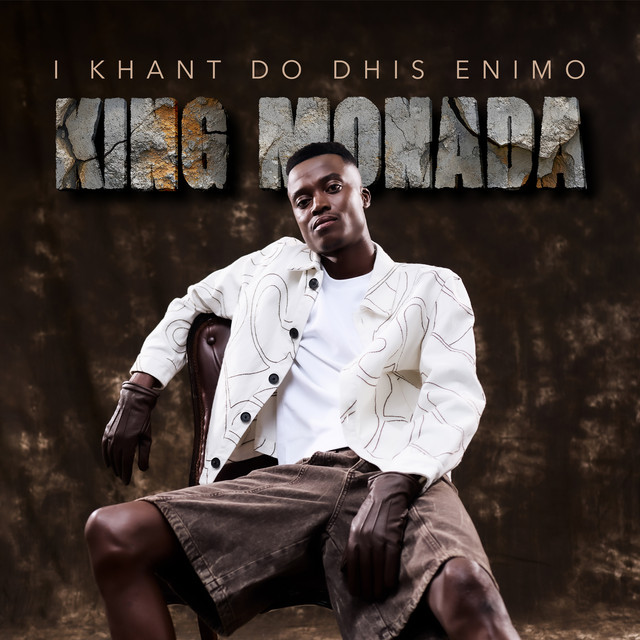
The genre remained largely regional until the breakout success of King Monada. His 2016 hit 'Ska Bhora Moreki' became a national anthem, introducing the distinct 'Bolo' sound to the wider South African audience. This track paved the way for other artists from the region to gain mainstream attention.
The genre reached a global peak around 2018 with the 'Idibala' dance challenge, sparked by King Monada's track 'Malwedhe'. The song's fainting dance move went viral worldwide, cementing Bolobedu House's place in pop culture. Concurrently, artists like Master KG (before his shift to pure Afro House) and Makhadzi helped solidify the sound's commercial viability.
In recent years, the genre has continued to evolve, influencing and blending with other South African styles like Amapiano. Newer sub-styles like 'Lekompo' have emerged, featuring rawer and harder-hitting production, ensuring the sound remains a staple of South African dance floors.
Start with a fast-paced 4/4 house beat, typically between 115 and 125 BPM, though it often feels faster due to the density of percussion. Use prominent, driving shakers and hi-hats to create a 'galloping' momentum. The kick drum should be punchy and consistent.
The signature sound relies heavily on specific VST plugins like 'Purity'. Use bright, synthetic mallets or marimbas for the main melody. The most iconic element is the 'Bolo lead'—a saw-tooth or square wave synth that is heavily pitch-bent (using portamento or glide) to create a whining or sliding effect.
Compose a heavy, driving bassline. Unlike the percussive log drum of Amapiano, Bolobedu basslines are often more sustained and melodic, driving the chord progression forward.
Record vocals in the Khelobedu dialect (or Sepedi). The delivery should be energetic and rhythmic. Heavy use of Auto-Tune is a stylistic choice, not just for pitch correction but for texture. Structure the lyrics around storytelling or catchy, repetitive hooks that encourage dancing.
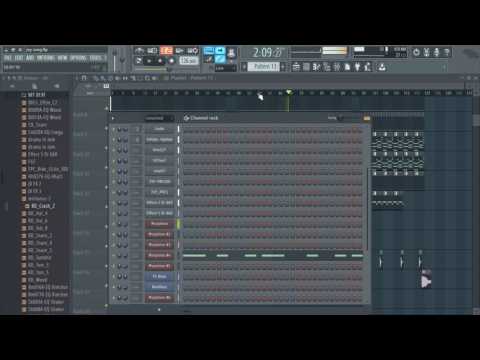
![[Free] Local house (Bolobedu house) Sample pack (FL Studio)](https://i.ytimg.com/vi/uSWC4OLSSZA/hqdefault.jpg)