Your digging level
Description
African popular music (often shortened to “Afropop” in general parlance) is an umbrella term for contemporary, urban-oriented music made by Africans that blends African rhythmic and melodic sensibilities with Western instruments and production. It does not denote a single style; rather, it encompasses a wide spectrum of regional scenes and genres across the continent.
Typical features include African polyrhythms, call-and-response vocals, cyclical guitar or keyboard ostinatos, and the use of Western band instruments (guitars, bass, drum kit, horns) and studio techniques. The idiom continually evolves through cross-pollination with African diasporic music (blues, jazz, R&B, hip-hop) and Caribbean currents (son cubano, calypso, salsa, reggae, zouk), as well as with global pop and electronic production. As such, African popular music is best understood as a living, pan-African ecosystem of styles rather than a fixed genre.
History
Dance bands in port cities and mining towns fused local rhythms with brass-band and guitar traditions introduced via colonial and maritime circuits. Highlife in the Gold Coast (Ghana) and palm-wine guitar styles in West Africa, as well as early Congolese dance music inspired by son cubano records, provided templates for modern popular idioms. Radio, records, and itinerant bands accelerated interregional exchange.
Post-independence optimism spurred flourishing urban scenes: highlife orchestras in Ghana and Nigeria; Congolese rumba bandleaders in Kinshasa and Brazzaville crafting interlocking guitar lines and sweet vocal harmonies; South African mbaqanga and township jazz blending local groove with American swing and soul. Electrified instruments, multi-track recording, and robust state and private label infrastructures helped codify continent-wide popular styles.
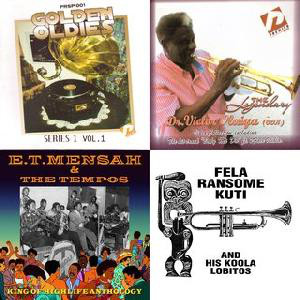
Artists synthesized local traditions with funk, rock, reggae, and jazz. Nigeria’s Afrobeat (Fela Kuti) meshed Yoruba rhythm, big‑band horns, and political lyricism; soukous streamlined Congolese rumba for faster dance floors; Senegalese mbalax folded sabar drumming into pop; Zimbabwean chimurenga and South African bubblegum and kwaito localized global club currents. Cassette culture and community radio spread music beyond capitals, while diasporic circuits linked Africa with Europe and the Americas.
Affordable DAWs and smartphones democratized production and distribution. Nigeria and Ghana catalyzed a continental pop mainstream (often tagged “Afrobeats”) with slick, hook‑driven songwriting; Angola’s kuduro and South Africa’s gqom and amapiano redefined club aesthetics; Tanzania’s bongo flava localized hip‑hop/R&B idioms. African popular music now shapes global charts and festival circuits while continually absorbing and re-exporting ideas across the Black Atlantic.