Your digging level
Description
Authenticité is a post-independence cultural-music movement that emerged in Guinea under a socialist nation-building project.
It aimed to reclaim and modernize pre-colonial heritage while forging a shared national identity, especially through state-backed national and regional orchestras.
In practice, it promoted African languages, local musical materials (melodies, rhythms, instruments), and a strong rejection of European cultural dominance.
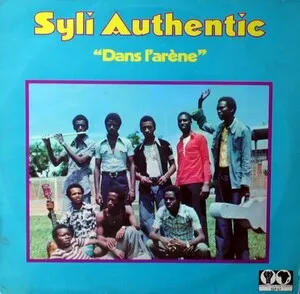
The sound often blends traditional Mandé and other Guinean regional repertoires with modern band formats (horn sections, electric guitars, drum kit, and large vocal ensembles), creating a disciplined, celebratory, and message-driven orchestral popular music.
History
After Guinea’s independence (1958), the government promoted Authenticité as a cultural policy to decolonize the arts and unify a multi-ethnic nation through shared symbols.
State resources were directed toward creating national and regional orchestras, music schools, and competitions, encouraging musicians to arrange local repertoires for modern ensembles.
Authenticité favored modern stage presentation and amplified instruments while insisting that the core musical material—rhythms, melodic modes, languages, praise poetry, and traditional forms—remain locally rooted.
Many ensembles adapted Mandé jeli (griot) aesthetics (praise singing, genealogical and moral texts, cyclical grooves) into horn-band and electric-guitar orchestrations.
Although closely tied to a specific political moment, the movement helped institutionalize professional popular music in Guinea and strengthened the prestige of indigenous instruments and languages.
Its legacy persists in West African orchestral pop approaches and in later revivals of “heritage-forward” arrangements that frame traditional repertoires in contemporary band formats.