Your digging level
Description
Calypso is an Afro‑Caribbean vocal music and dance style that originated in Trinidad and Tobago among Afro‑Trinidadians. It blends West African kaiso traditions and French Creole carnival song practices into a witty, topical song form built for public performance and communal participation.
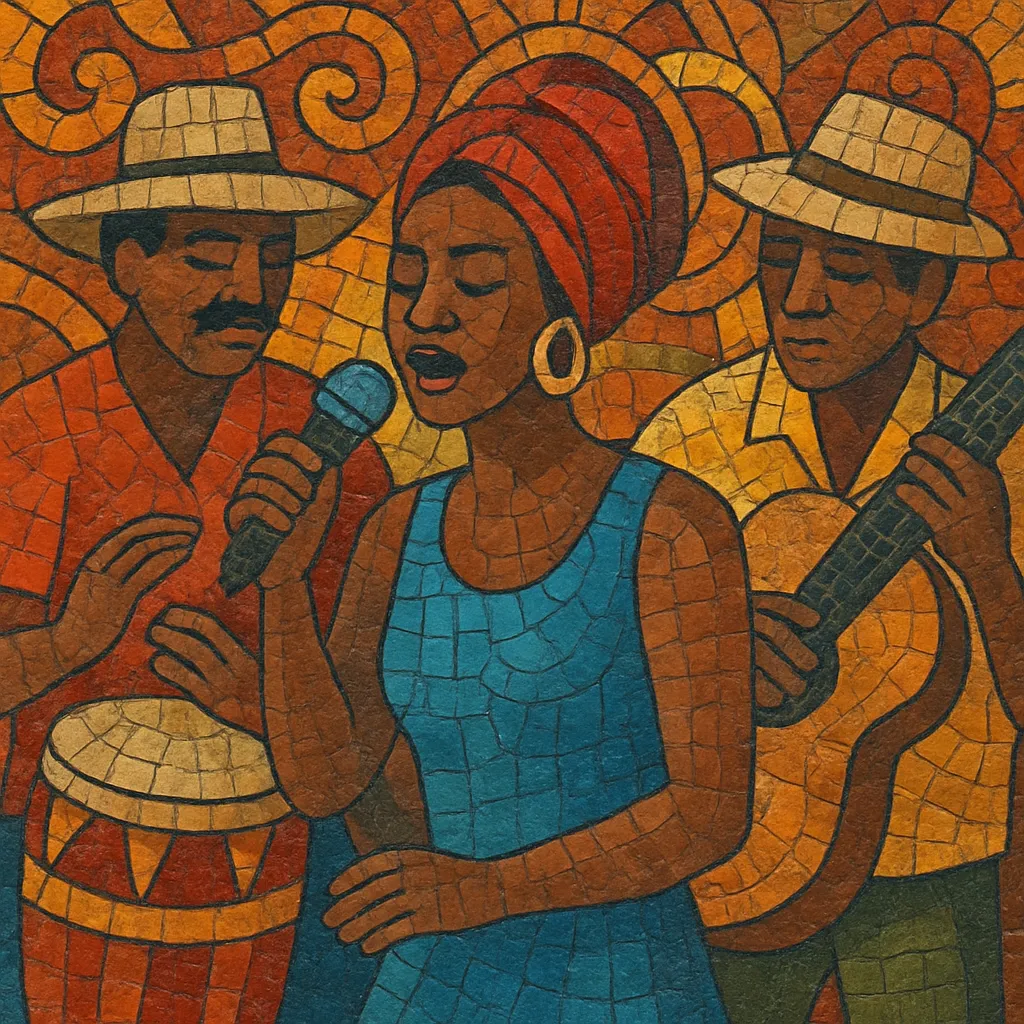
Musically, calypso is typically in 2/4 or 4/4 with a lilting, syncopated "calypso rhythm" that often accents a 3‑3‑2 feel across the bar. Melodies favor catchy, singable refrains, call‑and‑response, and verse–chorus structures. Instrumentation historically included tamboo‑bamboo and hand percussion, then small dance bands with guitar, cuatro, upright bass, brass, and later steelpan and full brass/engine‑room sections.
Lyrically, calypso is renowned for picong (good‑humored verbal sparring), double entendre, social and political commentary, and news‑of‑the‑day storytelling delivered by charismatic calypsonians in tents and at carnival.
History
Calypso grew from Afro‑Trinidadian kaiso singing, work‑song and stick‑fighting chant traditions, and French Creole carnival practices that arrived with planters and enslaved people from the French Antilles in the 18th century. In the early–mid 1800s in Trinidad, chantwells led call‑and‑response songs in patois at Canboulay festivities. These practices coalesced into a recognizable calypso idiom tied to carnival, satire, and communal dance.
By the early 20th century, calypsonians began performing in organized tents during carnival seasons, refining the competitive, topical song form. The first commercial recordings (in Trinidad, New York, and London) spread the style across the Caribbean diaspora. Bands replaced tamboo‑bamboo with guitar, cuatro, brass, and rhythm sections, codifying the rhythmic feel and verse–chorus structure.
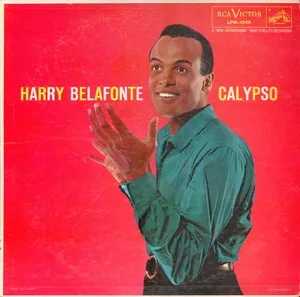
A golden age produced foundational stars whose songs blended biting commentary with danceable grooves. Calypso traveled via maritime routes and migrant communities to places like Venezuela, Panama, the UK, and the US. Post‑war international hits and film appearances brought a global calypso craze in the 1950s, even as the core remained anchored in Trinidad’s carnival tents and competitions.
Steelpan orchestras rose alongside calypso, with many singers fronting steelbands or brass‑driven dance bands. Calypso’s harmonic language and rhythm informed emerging Caribbean genres—Jamaican mento and later ska/reggae—and directly seeded soca (a modern, beat‑forward derivative) and regional fusions like cadence‑lypso (Dominica) and spouge (Barbados).
Today, calypso remains a living tradition in Trinidad and Tobago and across the Caribbean and diaspora. Annual competitions, tents, and carnival continue to foreground topical lyrics, while studio productions incorporate modern brass, keyboards, drum set, and steelpan. The genre persists as both archive of social history and a vibrant, witty popular song form.