Your digging level
Description
Bélé (also spelled bèlè or belair in some islands) is a drum‑centered folk music and dance tradition of the French- and English-speaking Lesser Antilles, notably Martinique, Dominica, Guadeloupe, Saint Lucia, Grenada, Haiti, and Trinidad and Tobago.
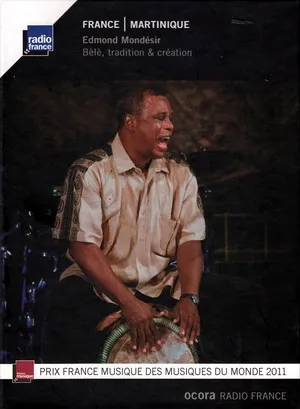
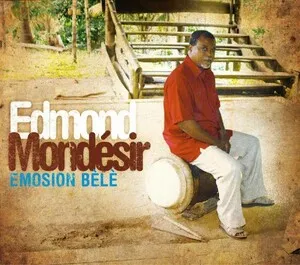
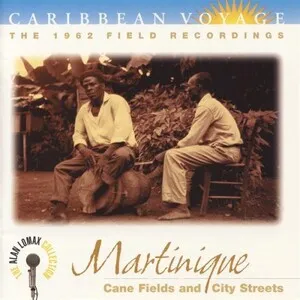
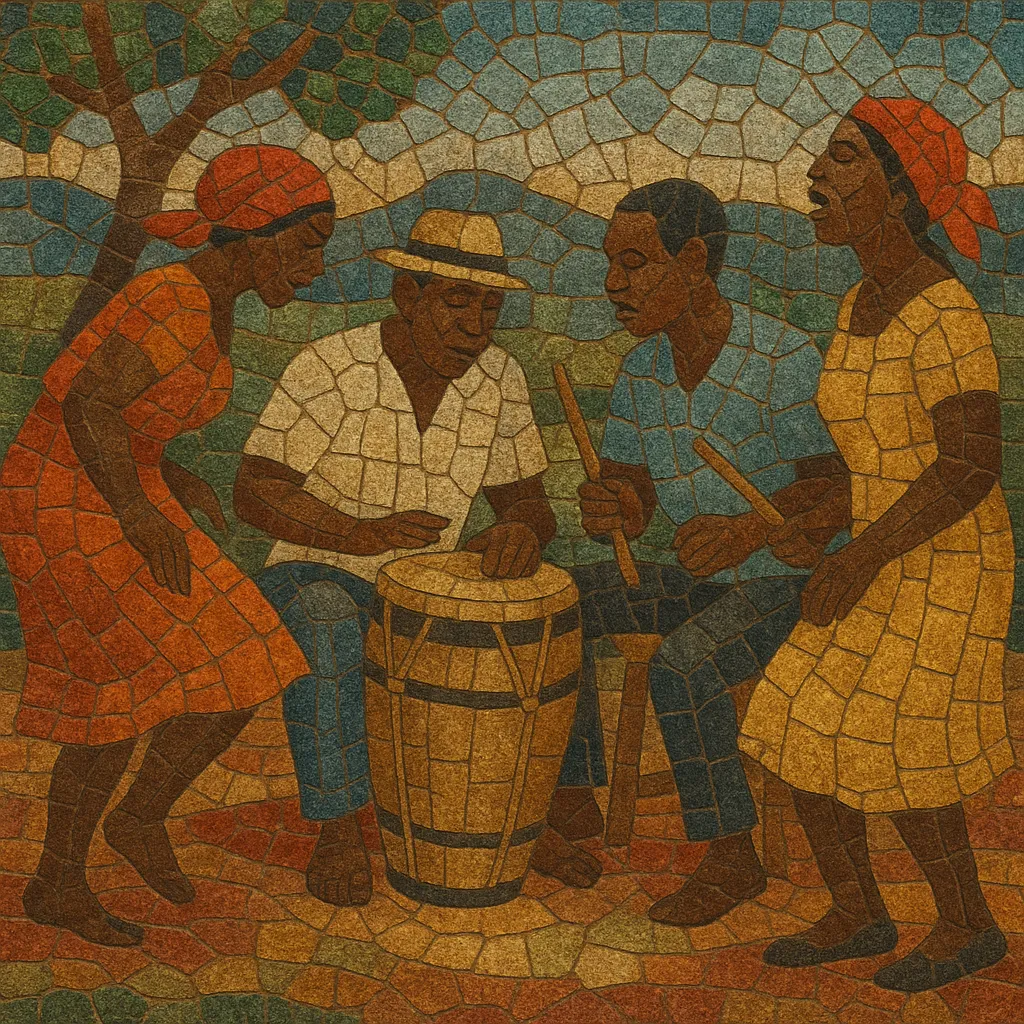
It is performed by a duo of dancers who engage in a refined call‑and‑response with the lead drummer and a chorus of singers. The core ensemble features the tanbou bélé (a large, often tilted, barrel drum), tibwa (two wooden sticks striking a timeline on the drum shell or a piece of wood), and shakers (chacha/maracas). Songs are led by a chantwèl (lead caller) and answered by a responding chorus, most often in Creole. The music’s feel blends West/Central African rhythmic languages with European (especially French) couple‑dance aesthetics.
Bélé is both a social courtship dance and a ritual of community solidarity: it accompanies fêtes, wakes, and village gatherings, and has distinct regional variants (e.g., bèlè dous, bèlè pitjé in Martinique; bele/beleh in Dominica and Trinidad).
History
Bélé took shape during the plantation era of the 1700s and 1800s, when enslaved Africans in the Lesser Antilles preserved and adapted West and Central African drumming, responsorial singing, and dance to new colonial realities. French social dance figures (contredanse/quadrille) and Catholic feast calendars intersected with African ring‑dance practices, yielding a creolized form in which dancers dialog with a master drummer.
Across Martinique, Dominica, Guadeloupe, Saint Lucia, Grenada, Haiti, and Trinidad and Tobago, the music acquired local names and step vocabularies but retained its essentials: a chantwèl leading Creole verses, a chorus response, a tibwa timeline, and a tanbou bélé that “speaks” to the dancers’ footwork. Bélé functioned in courtship, competitive displays, wakes (as part of vigil traditions), and secular festivities.
Urbanization and commercial popular music reduced everyday bélé practice in the early–mid 20th century. Yet cultural movements from the 1960s–1980s (folkloric troupes, festivals, and community schools) revitalized it, especially in Martinique and Dominica. Musicians began bringing bélé timbres and rhythms onto stage and record, teaching in community centers and formal institutions.
Bélé’s call‑and‑response, tibwa timelines, and drum‑dance dialogue fed into Caribbean genres such as biguine (19th‑century Martinique/Guadeloupe dance‑band music), calypso/kaiso (especially in its early French‑Creole song streams), and later zouk and cadence‑lypso. Contemporary artists continue to hybridize bélé with jazz, pop, and roots music while community troupes maintain traditional performance contexts.