

Your digging level
Description
Cadence‑lypso (often written “cadence-lypso” or “kadans-lypso”) is a dance-oriented Caribbean style that emerged in Dominica in the mid‑1970s. It fuses the steady, guitar‑and‑horn‑driven groove of Haitian cadence/compas with the storytelling flair and melodic sensibilities of Trinidadian calypso.
Bands modernized the sound with electric bass, drum kit, synthesizers, and tight horn sections, creating slick arrangements aimed at clubs, dances, and carnivals across the Lesser Antilles. Lyrics are typically in Dominican Kwéyòl (French Creole) and English, balancing social commentary with romantic themes. The result is an infectious, mid‑tempo 4/4 pulse that is both party‑ready and melodically memorable.
Cadence‑lypso became a pan‑Creole phenomenon in the late 1970s, especially in Dominica, Guadeloupe, and Martinique, and it set the stage for later Antillean dance genres, most notably zouk.

History
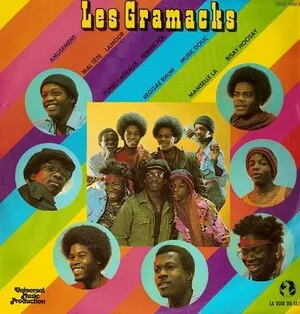
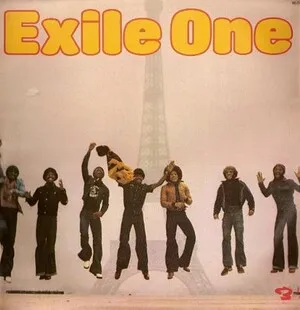
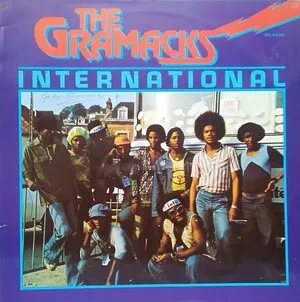
Cadence‑lypso crystallized in Dominica when bandleader Gordon Henderson and his group Exile One blended Haitian cadence/compas rhythms with calypso’s songcraft and topical lyrics. The name itself signaled the hybrid: “cadence” (from Haitian cadence/compas) plus “lypso” (from calypso). Early adopters like Grammacks and Midnight Groovers helped define the repertoire and stagecraft.
From Dominica the style spread rapidly through the French Antilles, where groups in Guadeloupe and Martinique embraced the modern, electrified band format with horns and synthesizers. By the late 1970s, cadence‑lypso dominated dance halls and carnivals across the Lesser Antilles. Recordings circulated widely via radio, sound systems, and touring bands, creating a shared Creole dance sound.
In the early 1980s, the arrival of zouk—shaped in part by the aesthetics and bandcraft of cadence‑lypso—shifted regional tastes, but many artists continued to perform and record in the cadence‑lypso idiom. In Dominica, the style also fed into local innovations that later contributed to newer forms. Its instrumentation, arrangement approach, and Creole lyric tradition remained foundational for Antillean popular music.
Cadence‑lypso is now recognized as a cornerstone of modern Creole dance music. It continues to feature prominently at Dominica’s World Creole Music Festival and in the repertoires of veteran and revivalist bands. Its cross‑island legacy endures in contemporary Caribbean pop and especially in the DNA of zouk.

Top albums

Best playlists


![Original DJ-Sly - Cadence All Stars | Party Mix (Best of Cadence-Lypso) [2024] Ft. Midnight Groovers](https://i.ytimg.com/vi/9LoT6U4UGPg/hqdefault.jpg)


