Your digging level
Description
Cadence rampa (often shortened to “kadans”) is a dance-oriented form of modern méringue from Haiti.
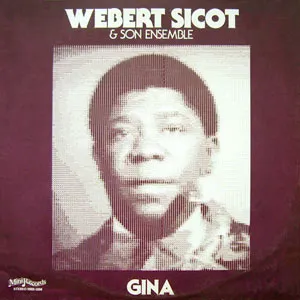
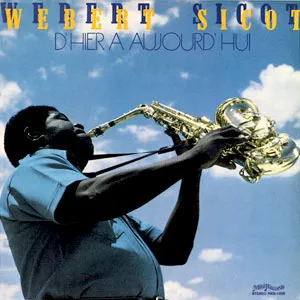
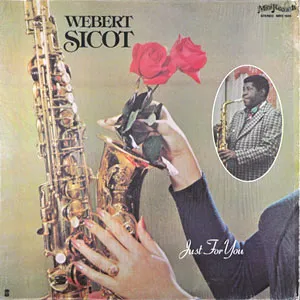
Popularized by saxophonist Webert Sicot in the early 1960s, it shares the same modern méringue foundation as compas (konpa), but emphasizes a driving "rampa" groove, horn-led riffs, and Cuban-style piano and percussion patterns.
The style sits in 4/4 with a steady, danceable bass “tumbao,” cowbell/hi‑hat timeline, and interlocking guitar/piano montunos. Harmonies are typically diatonic with bright major keys and jazzy extensions, while arrangements spotlight catchy horn hooks and call‑and‑response vocals in Haitian Creole.
Cadence rampa spread quickly through the Francophone Caribbean, where “kadans” became a generic term for this Haitian modern méringue and a springboard for later Antillean dance styles.
History
Cadence rampa emerged in Haiti in the early 1960s when virtuoso saxophonist Webert Sicot, having worked in the same modern méringue milieu as Nemours Jean‑Baptiste, branded his competitive take on the style as “cadence rampa.” The music codified the modern méringue (often called compas/konpa) into a sleek, horn‑forward dance band sound with a strong, propulsive bass and cowbell timeline. Compared with other méringue variants, cadence rampa leaned more heavily on Cuban dance idioms (son, mambo, cha‑cha‑chá) and jazz voicings.
While many musicians treat “cadence” and “compas” as two names for the same Haitian modern méringue, historians also note a friendly rivalry: Sicot’s "rampa" groove and sectional horn writing stood alongside Nemours Jean‑Baptiste’s compas direct. Both drew on the longstanding Haitian méringue tradition and mid‑century Caribbean big‑band practices, crystallizing the modern dance template for Haitian popular music.
Touring bands carried cadence rampa from Haiti to the French Antilles (Guadeloupe, Martinique), where “kadans” became a common umbrella term for Haitian‑style modern méringue. Antillean groups absorbed the Haitian cadence approach, blending it with local sensibilities. In Dominica, the cadence rampa template became a key source for the 1970s emergence of cadence‑lypso (a fusion with calypso), which later fed into the creation of zouk in the late 1970s/early 1980s.
Cadence rampa’s tight rhythm section, horn hooks, and Cuban‑jazz inflections helped define the sound of Haitian dance bands and set the stage for pan‑Caribbean dance styles. Its DNA is audible in Antillean kadans scenes, in slow‑grooving Haitian kompa offshoots, and—via cadence‑lypso—in the development of zouk and zouk love.
Top albums
Best playlists
Top tracks
Upcoming concerts