Your digging level
Description
Carimbó is a traditional rhythm and circle dance from the Brazilian Amazon, created by Indigenous peoples of Pará and later shaped by Afro‑Brazilian and Portuguese influences.
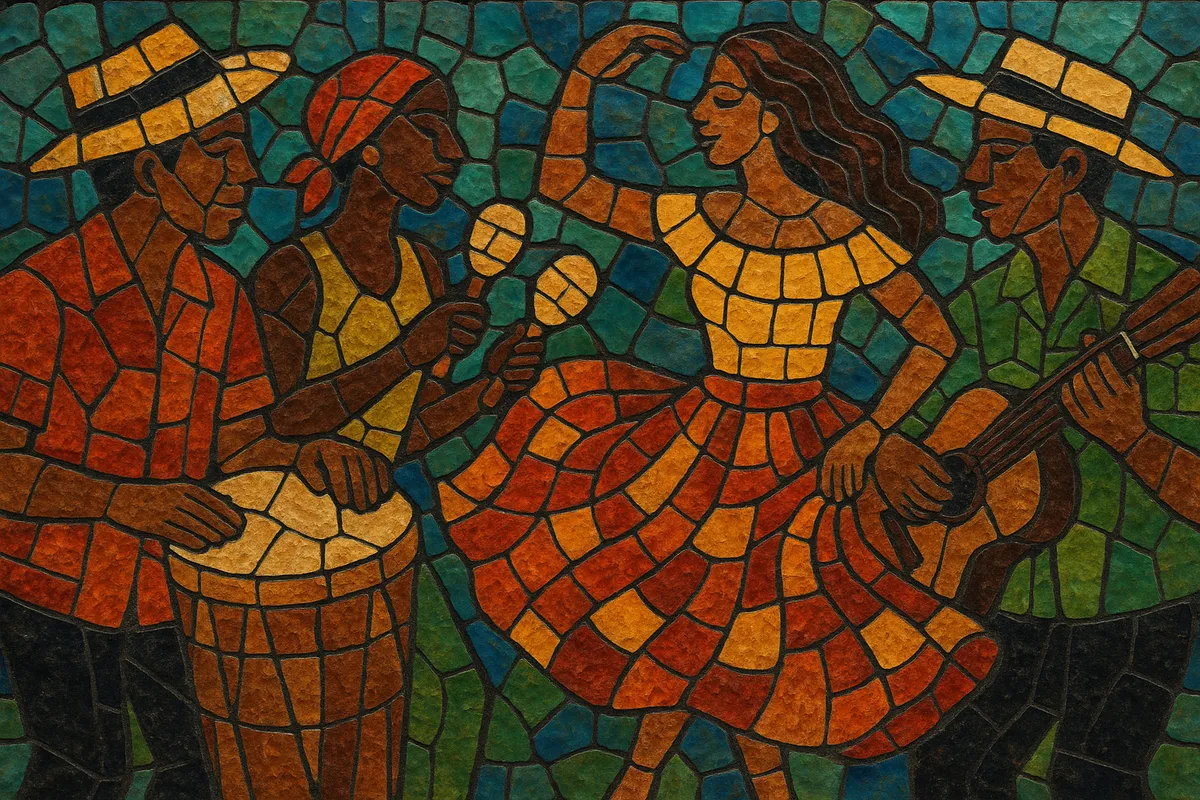
It is centered on the curimbó (a large hollowed‑log drum whose name likely comes from a Tupi word), hand percussion such as maracás, and call‑and‑response vocals. Danced in villages and rural communities around Marajó Island and the capital Belém since colonial times, it features lively, syncopated drumming and a flirtatious choreographic dialogue between partners.
In the 20th century—and especially from the 1970s on—carimbó was modernized with guitars, bass, and brass, which helped it gain national and international recognition while preserving its core Indigenous pulse.
History
Carimbó arose in the north of Brazil (state of Pará) during the colonial period, with roots in Indigenous Amazonian musical and dance practices. The defining drum, the curimbó, and the circular, communal nature of the dance reflect Indigenous aesthetics. Early carimbó was performed in rural areas and riverine communities around Marajó Island and Belém, often at harvests, festas, and local gatherings.
Over time, Afro‑Brazilian rhythms and Portuguese song and dance traditions blended with Indigenous elements. This syncretism gave carimbó its characteristic off‑beat drive, call‑and‑response singing, and verse‑refrain forms in Brazilian Portuguese (often peppered with Tupi words). The genre became a powerful emblem of Paraense identity, danced “frenetically” to syncopated drums in town squares and community parties.
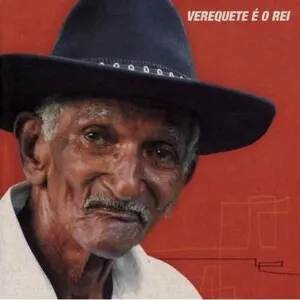
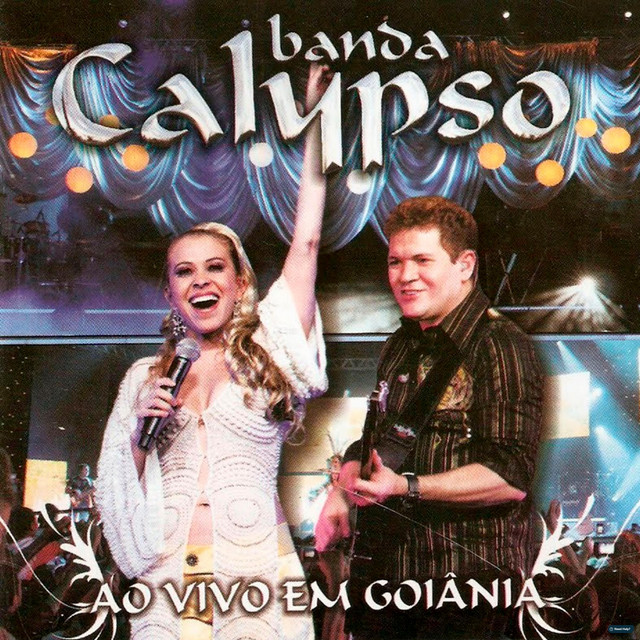
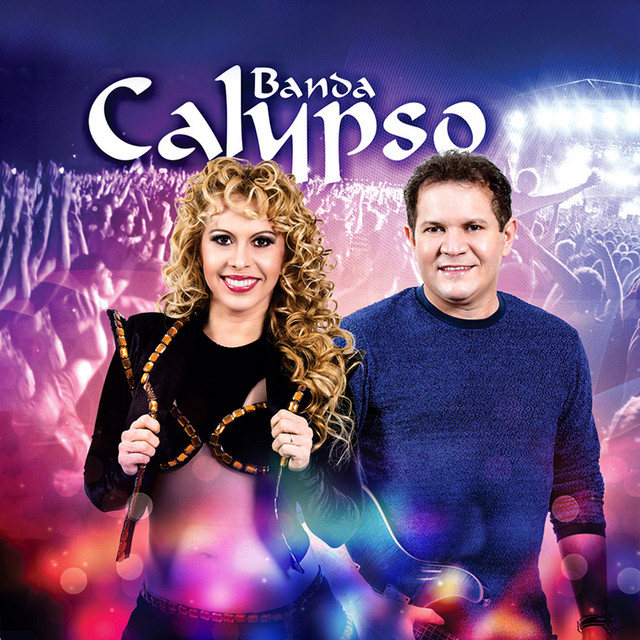
From the 1970s, bandleaders such as Pinduca and Mestre Verequete helped bring carimbó from rural patios to urban stages and national media. They introduced electric bass and guitars, brass, and modern arrangements while keeping the curimbó’s pulse intact. Contacts with Caribbean styles (e.g., calypso, merengue) and with regional Brazilian pop fed a modern carimbó sound that traveled widely through records, radio, and touring.
Carimbó remains central to cultural life in Pará and now circulates globally through festivals, folk ensembles, and contemporary artists. Its modernization contributed to subsequent Amazonian styles (e.g., lambada, guitarrada, and, indirectly, tecnobrega), while traditional groups continue to safeguard the original, drum‑centered dance. The genre today bridges heritage preservation and innovation, embodying both local pride and international appeal.