Your digging level

For this genre
0/8
🏆
Sign in, then listen to this genre to level up

Description

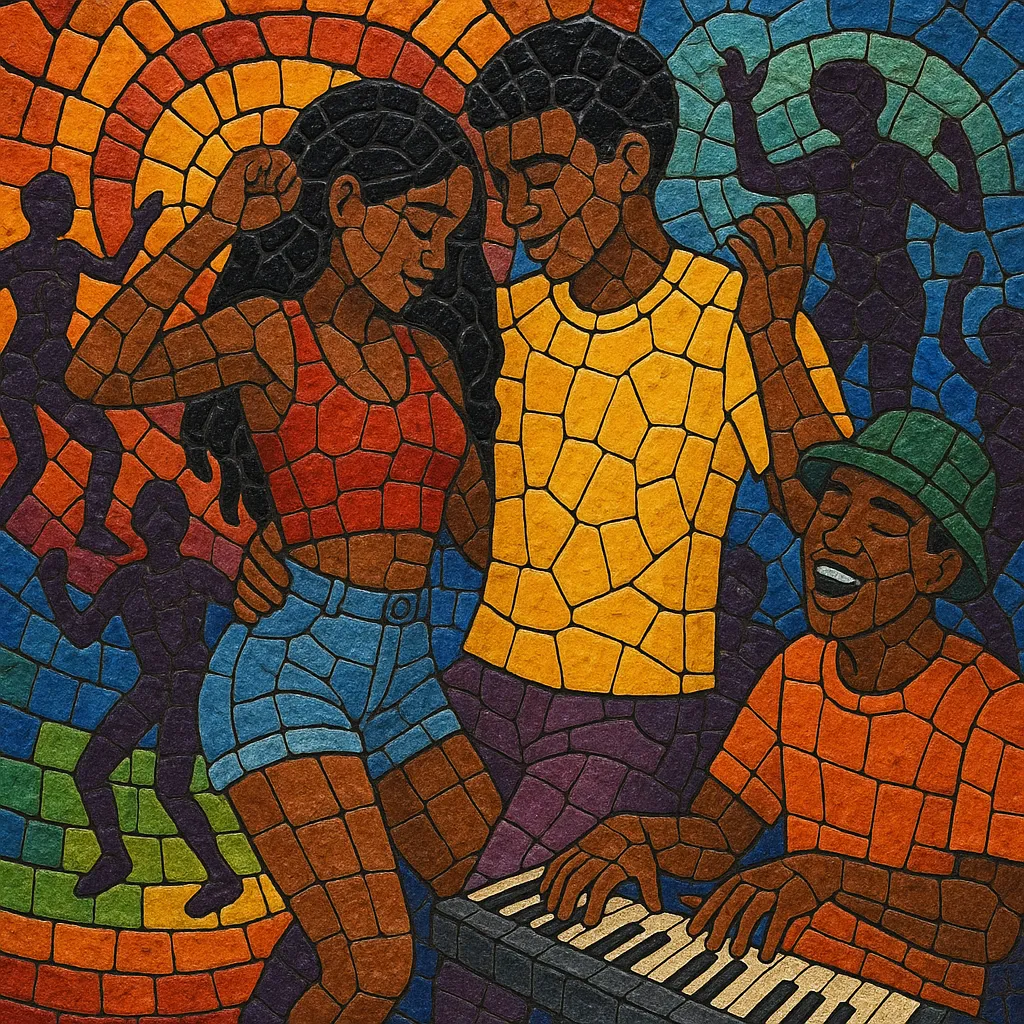
Brega funk is a contemporary dance genre from Northeastern Brazil that fuses the melodic sentimentality of local brega with the percussive drive of Rio’s funk scene. Its beats are defined by a lurching, "wonky" kick pattern, crisp metallic snares that are often pitched, and chopped vocal one‑shots.

Rooted in the technobrega sound system culture of the North (notably Pará), producers favor glossy, syncopated MIDI pianos and bright synth stabs, creating a slick, high‑contrast mix made for street parties, clubs, and viral choreography. The result feels simultaneously romantic and hard‑hitting: sweet hooks on top, rugged rhythm underneath.


Sources: Spotify, Wikipedia, Discogs, Rate Your Music, MusicBrainz, and other online sources

History

Origins

Brega funk emerged in the early 2010s in Recife (Pernambuco), where long‑standing local brega traditions met the drum programming and MC culture of funk from Rio de Janeiro. Technobrega’s sound‑system economy and its glossy, MIDI‑heavy palette provided a ready aesthetic and distribution model, while neighborhood studios and DJs shaped a distinctly Northeastern swing and feel.

Consolidation and Local Hits

Through the mid‑2010s, Recife’s DJs and MCs codified the style: swung kicks, pitched metallic snares, syncopated piano riffs, and conversational, often playful lyrics about love, jealousy, and parties. Street bailes, paredão sound systems, and regional YouTube channels helped tracks spread quickly, turning local anthems into regional hits.

Breakout and National Visibility

By the late 2010s, brega funk crossed into Brazil’s mainstream via viral dances and high‑profile video channels, bringing Northeastern performers and producers national attention. The style began to collaborate with pop and hip‑hop acts from other regions, while retaining its characteristic piano riffs and snares.

Present Day

Today, brega funk remains a club‑ready, social‑media‑savvy sound that continues to evolve through collaborations and beat innovations. Its signatures—glossy syncopated keyboards, pitched snares, vocal chops, and a swaggering, off‑kilter groove—have influenced broader Brazilian pop and adjacent funk hybrids.

How to make a track in this genre

Tempo, Groove, and Rhythm
•   Aim for ~95–110 BPM with a slightly swung, off‑grid feel. Program a "wonky" kick that leans into anticipations and late hits. •   Use a bright, metallic snare (often layered and pitched) on syncopated placements rather than a strict backbeat; add sharp claps and short tom fills to propel transitions.
Sound Palette and Harmony
•   Build hooks with glossy, syncopated MIDI pianos (octave doubles, block chords, and arpeggiated figures). Add simple, catchy synth leads and percussive stabs. •   Keep harmony straightforward (I–V–vi–IV or i–VII–VI progressions); prioritize ear‑worm toplines over complex changes.
Vocals and Lyrics
•   Write conversational, flirty, and playful verses about romance, jealousy, parties, and local slang. Use memorable catchphrases designed for call‑and‑response and dance challenges. •   Sprinkle chopped vocal one‑shots as rhythmic ornaments; pitch and gate them to punctuate fills and drop‑ins.
Arrangement and Production
•   Structure around short intro → verse/chant → hook → drop, with frequent DJ tags and micro‑breaks for choreography cues. •   Sidechain piano/synths to the kick for bounce; keep mixes bright and punchy with tight low‑end, crisp highs, and minimal reverb. •   Test on portable speakers/paredão references to ensure the snare bite and piano syncopation cut through.
Performance Tips
•   Emphasize passinho‑friendly sections and clear drops for dance call‑outs. Engage the crowd with MC ad‑libs and quick edits that spotlight signature moves.

Related labels

Top tracks

Locked
Share your favorite track to unlock other users’ top tracks
Influenced by
Has influenced
Challenges
Digger Battle
Let's see who can find the best track in this genre
© 2026 Melodigging
Melodding was created as a tribute to Every Noise at Once, which inspired us to help curious minds keep digging into music's ever-evolving genres.
Buy me a coffee for Melodigging