Your digging level
Description
Dancehall is a Jamaican popular music style built around bass‑heavy, groove‑centric riddims and the vocal art of chatting or singjaying in Jamaican Patois. It emphasizes direct, energetic delivery, call‑and‑response hooks, and a party‑forward attitude, while also leaving space for sharp social commentary and witty wordplay.
The genre is fundamentally riddim‑based: producers release instrumental tracks (riddims) that many different vocalists "voice" with their own songs. This culture encourages competitive creativity, rapid evolution of styles, and a constant stream of new versions. Tempos typically sit in the midtempo range, with syncopated kicks and snares and prominent sub‑bass. Since the mid‑1980s, digital drum machines and synths have defined much of dancehall’s sound, though live instrumentation and hybrid production are common too.


History
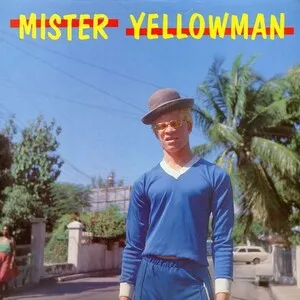
Dancehall emerged in Jamaica at the end of the 1970s as a leaner, more rhythm‑driven alternative to the roots reggae that dominated earlier in the decade. Named after the literal dance halls where sound systems performed, it centered on the deejay (MC) chatting over stripped‑down riddims drawn from reggae, rocksteady, and dub. Early stars such as Yellowman helped shift focus to the deejay as front‑line entertainer, while classic riddims (e.g., Stalag, Real Rock) became shared platforms for multiple songs.
In 1985, the Wayne Smith single Under Mi Sleng Teng—produced by King Jammy and built from a Casiotone MT‑40 preset—popularized fully digital dancehall and ushered in the "ragga" era. Drum machines, synth bass, and sequenced patterns became the norm, enabling faster production cycles and a harder, punchier sound. Influential producers such as Steely & Clevie, Bobby Digital, and Dave Kelly crafted riddims that defined the late 1980s and 1990s.
The 1990s saw dancehall achieve sustained international visibility. Artists including Shabba Ranks, Super Cat, Beenie Man, Bounty Killer, and Buju Banton carried the genre onto global stages, while the dembow rhythmic pattern—popularized by songs like Dem Bow—would later underpin reggaeton. Sound clashes, dubplates, and the rapid turnover of hit riddims cemented dancehall’s competitive, scene‑driven culture.
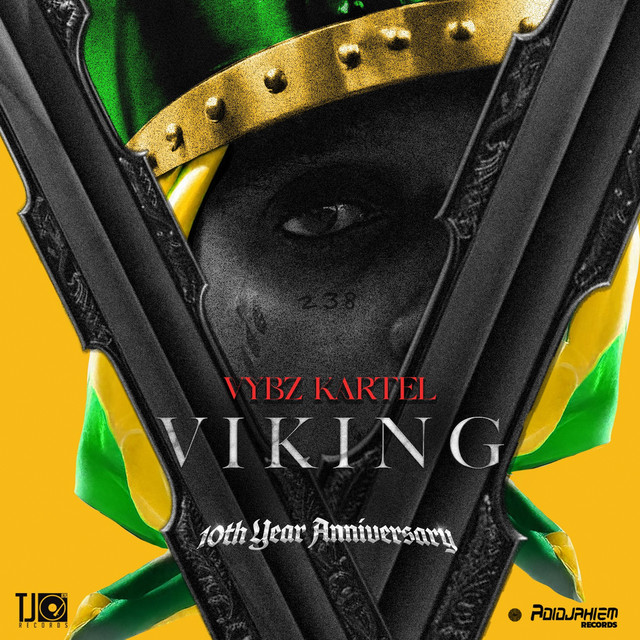
In the 2000s, crossover successes by Sean Paul and Shaggy brought dancehall to mainstream pop audiences, with iconic riddims like Diwali (2002) driving global hits. The 2010s and 2020s continued dancehall’s evolution with stars such as Vybz Kartel, Popcaan, and Spice, while regional variants (e.g., Zimdancehall) and diasporic scenes (UK bashment) flourished. Dancehall’s rhythmic DNA—especially the dembow groove—deeply influenced reggaeton, afroswing, parts of Afrobeats, grime, and ragga jungle.
Dancehall remains a living, club‑centered tradition that prizes lyrical ingenuity, sound system culture, and producer‑led innovation. Its riddim economy and vocal styles have shaped the global pop and urban landscape, making it one of the most influential Caribbean genres of the past four decades.