Your digging level
Description
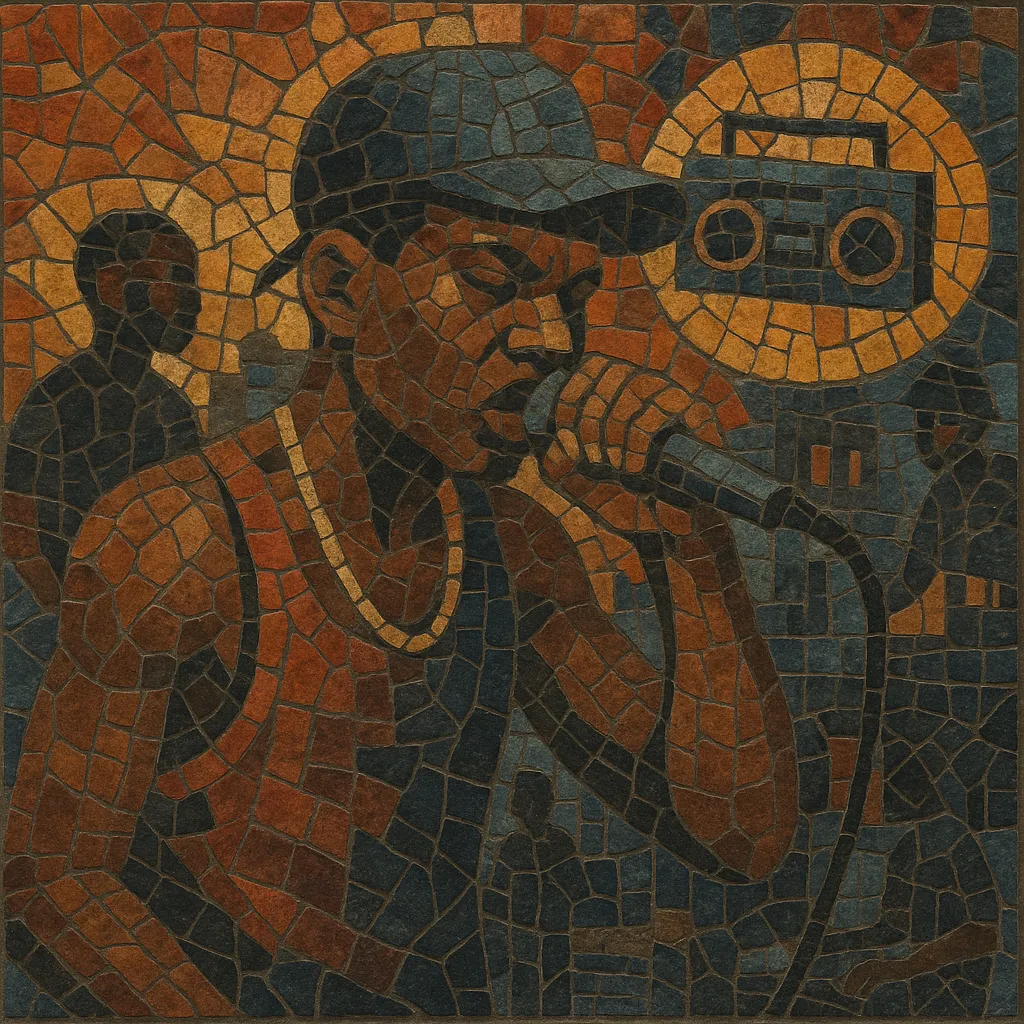
Hipco (often stylized as HipCo, short for “Hip Colloqua”) is a Liberian form of hip hop performed primarily in Liberian Colloquial English (Koloqua), interweaving local slang, proverbs, and street idioms with contemporary rap flows. It foregrounds everyday Liberian life—its humor, hustle, politics, and resilience—over boom‑bap, dancehall‑leaning, or trap‑influenced beats.
From block parties to radio, Hipco functions as social commentary and public pedagogy. Artists routinely address corruption, youth unemployment, gender dynamics, public health, and civic participation, making the genre both entertaining and explicitly community‑minded. Sonically, it draws from U.S. hip hop while absorbing reggae/dancehall grooves and West African rhythmic sensibilities, yielding an energetic, hook‑driven style built for both the club and the street corner.


History
Hipco emerged in Liberia as young artists localized hip hop by rapping in Koloqua, the country’s widely spoken vernacular. While its roots trace to the late 1990s, the genre cohered and gained visibility in the 2000s as the nation transitioned out of civil conflict. Early practitioners adapted boom‑bap and dancehall rhythms, prioritizing intelligibility and local storytelling over imported accents or topics.
In the 2010s, Hipco became a dominant youth culture vehicle and a civic tool. Artists released pointed political tracks during election cycles, and public institutions and NGOs collaborated with Hipco performers on awareness campaigns—most notably during the 2014–2016 Ebola crisis, when catchy, plain‑spoken songs helped disseminate lifesaving information. Radio play, street performances, and digital platforms amplified the genre’s reach.
As internet access improved, producers integrated trap hi‑hats, Afrobeats percussion, and reggae/dancehall bass weight, giving rise to harder, club‑ready variants (sometimes nicknamed “TrapCo”). Diaspora artists and cross‑border collaborations further diversified flows and production aesthetics while keeping Koloqua lyricism central.
Today, Hipco remains a living chronicle of urban Liberian life—satirical, aspirational, and community‑focused—bridging grassroots storytelling with contemporary African pop and global hip hop production techniques.