Your digging level
Description
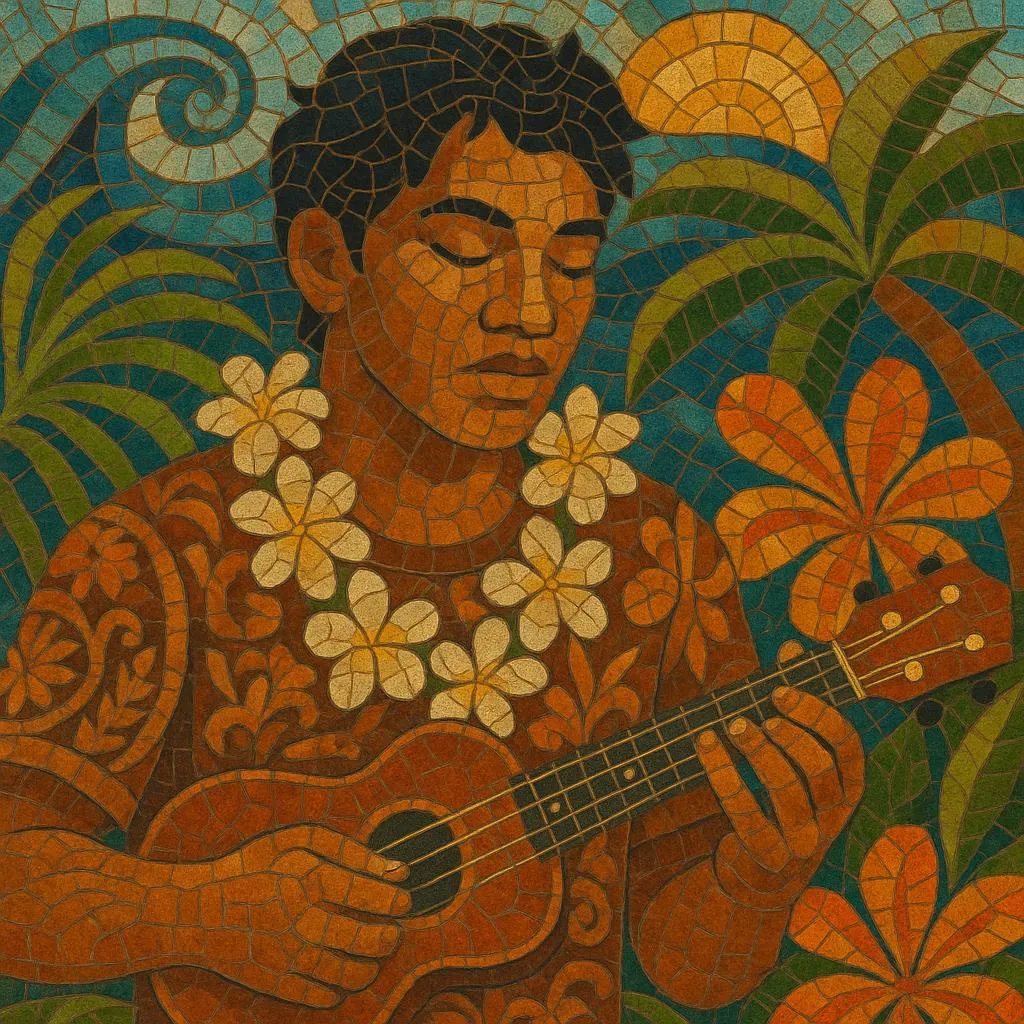
Pacific Islands pop is contemporary pop and R&B made by artists from Polynesia, Micronesia, and Melanesia, with a particularly strong hub in Aotearoa/New Zealand’s Pasifika communities. It blends radio-ready pop writing with island aesthetics: supple off‑beat (reggae/dancehall) grooves, silky vocal stacks drawn from church and family harmonies, and timbral nods to traditional instruments such as uke/’ukulele, pate/log drums, or pahu alongside modern drum machines and sub‑bass.
Songs are often bilingual or multilingual (English with Samoan, Tongan, Fijian, Tok Pisin, or Cook Islands Māori), and center themes of love, kinship, faith, island pride, and diaspora identity. The sound sits between smooth R&B balladry and mid‑tempo dance‑pop with a relaxed “island swing,” making it equally suited to slow‑jam intimacy and community celebrations.
History
Pacific Islands pop cohered as a recognizable sound in the 1990s, when Pasifika communities in Auckland (and other New Zealand urban centers) began fusing global pop/R&B with Polynesian and broader Oceanic vocal traditions. Family, school, and church choirs provided a pipeline of highly trained singers, while the local reggae/dancehall scene and ubiquitous ’ukulele culture gave the groove its distinctive island pulse.
In the 2000s, a cluster of Pasifika and Māori acts broke national charts with sleek pop/R&B that still carried island cadences: stacked harmonies, off‑beat guitar skanks, and smooth, romantic hooks. Independent labels, community radio, and Pasifika festivals created a homegrown infrastructure that nurtured cross‑genre collaboration (pop with hip hop, reggae, and dancehall), helping the sound travel across Polynesia, to Australia, and the Pacific diaspora in the United States.
Streaming accelerated a trans‑Pacific feedback loop: producers in Auckland, Apia, Nukuʻalofa, Suva, and diaspora hubs swapped beats and toplines, crystallizing a pan‑Pacific pop idiom. Artists increasingly code‑switch lyrics between English and island languages, foregrounding cultural pride. Today the style sits comfortably next to global R&B and Afropop on playlists, while remaining rooted in island harmony, faith‑inflected lyricism, and community dance‑floor utility.