Your digging level
Description
Tahitian music refers to the traditional and contemporary musical practices of the Tahitian people in the Society Islands of French Polynesia. Before European contact, music was inseparable from dance and public ceremony, centering on the heiva cycle of festivals in which chant, drumming, and dance accompanied celebrations, prayer, and rites of passage.
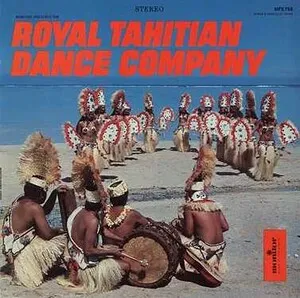
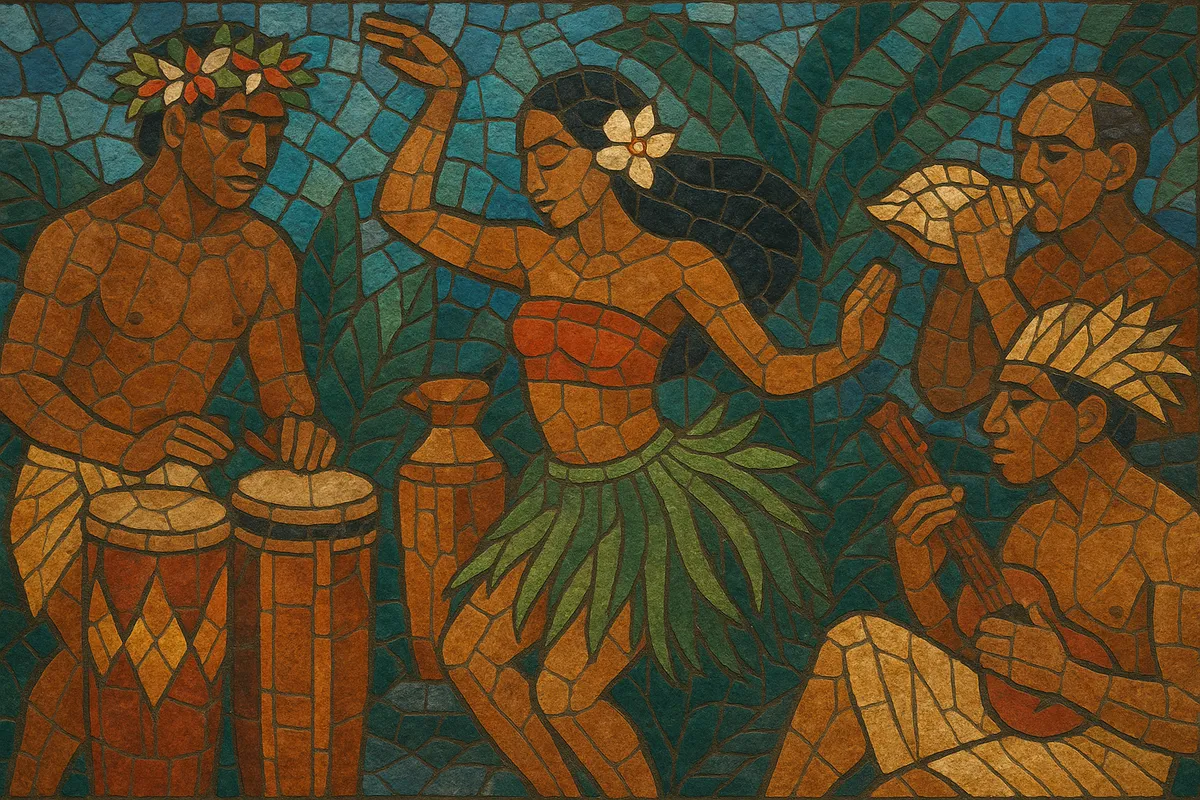
Core elements include antiphonal and responsorial chant, powerful interlocking drum ensembles (toʼere slit drums, pahu and faʼatete drums), conch shell (pu), and the nose flute (vivo). Dance genres such as the men’s ʼoteʼa and the couple’s ʼupaʼupa are emblematic, with music articulated through named rhythmic formulas (pehe) that coordinate ensembles and choreographies.
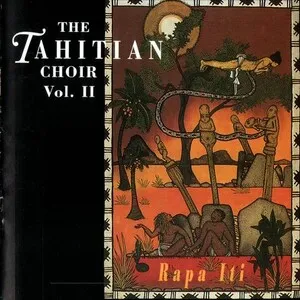
Following the 19th‑century arrival of missionaries, Tahitians incorporated Christian hymnody—giving rise to distinctive multi‑part choral styles (e.g., himene tarava)—while retaining vigorous indigenous drumming and dance. Modern Tahitian music ranges from ceremonial ensembles and choral traditions to popular hybrids that feature the local Tahitian ʻukulele, guitars, and global pop/reggae influences.
History
Prior to European arrival (late 18th century), music in Tahiti was embedded in the social fabric and ceremonial calendar. The heiva cycle organized public performance, where chant, percussion, and dance narrated genealogy, valor, love, and sacred stories. Dances such as the men’s ʼoteʼa and the couple’s ʼupaʼupa, led by master drummers and chanters, were performed with codified rhythmic patterns (pehe) on toʼere, pahu, and faʼatete.
Missionaries from the London Missionary Society discouraged certain dances (notably the ʼupaʼupa) as indecent, leading to partial suppression in the early 1800s. At the same time, Tahitians creatively absorbed Christian hymnody and European harmony, forming robust polyphonic choral traditions (e.g., himene tarava) that blended indigenous prosody with Western part‑singing. Instruments such as the guitar and later the Tahitian ʻukulele joined traditional ensembles.
By the late 19th century, public performance re‑emerged in new forms; the Heiva i Tahiti festival (established in the colonial era and formalized in the 20th century) institutionalized competitions for dance, drumming, and choir. Throughout the mid‑1900s, recording artists and ensembles popularized Tahitian sounds for local audiences and tourists alike, while dance troupes codified stage presentations of ʼori Tahiti.
From the 1970s cultural renaissance onward, Tahitian music experienced renewed pride and international visibility. Ensembles retained traditional drumming and choral practices while new artists fused local idioms with pop, folk, and reggae. Today, Tahitian music spans ceremonial chant and drumming, festival choirs, and hybrid pop—yet still centers movement and community participation as in the heiva era.