Your digging level
Description
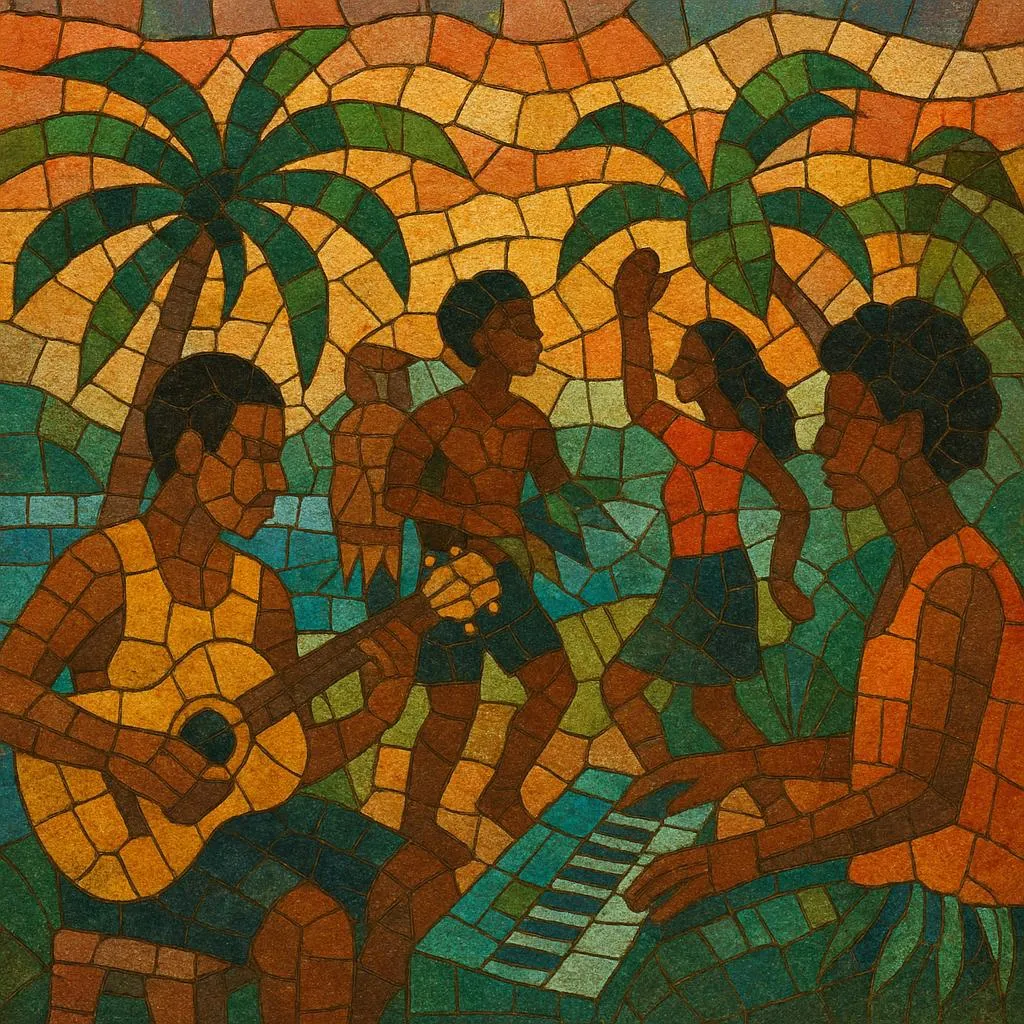
PNG Pop (Papua New Guinea pop) is a contemporary popular music style from Papua New Guinea that blends island-reggae grooves, string‑band guitar textures, and Western pop/rock songcraft with local languages and aesthetics.
Typical tracks feature bright, interlocking rhythm guitars (a legacy of PNG string‑band music), one‑drop or light two‑step reggae backbeats, supple bass lines, and ear‑catching synth pads or lead lines. Vocals are often in Tok Pisin, English, and a range of regional languages, using memorable, sing‑along choruses and close harmonies. Lyrically, artists balance love songs and dance anthems with references to place, kastom (custom), community (wantok), and social issues.
The genre is highly danceable and radio‑friendly, yet it keeps a distinct Melanesian identity through timbres (kundu/garamut percussion in some arrangements), melodic inflections, and call‑and‑response patterns shaped by village performance traditions.
History
Modern PNG popular music grows out of post‑independence cultural energy and the widespread popularity of local string‑band groups (acoustic guitars/ukulele, light hand percussion, harmony vocals). Pioneering ensembles such as Sanguma showed how traditional instruments and melodies could coexist with electric guitars, drum kits, and jazz/rock ideas, setting the stage for a distinct, modern Melanesian sound.
By the mid‑1980s, studios and labels in Port Moresby and other centers began recording pop acts, distributing cassettes and later CDs nationwide. Radio support and mobile sound systems helped standardize a bright, reggae‑tinted pop aesthetic—clean guitars, catchy refrains, and danceable mid‑tempo grooves—while artists freely alternated between Tok Pisin and English to reach broad audiences.
International collaborations in the 1990s (notably around artists like Telek) brought PNG singers and bands to festival stages and world‑music circuits, reinforcing confidence in the country’s contemporary sound while keeping it grounded in local identity.
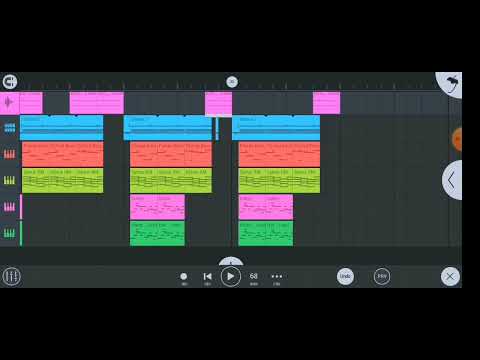
With growing access to DAWs and affordable synths, arrangements incorporated modern R&B keys, programmed drums, and tighter radio edits. Reggae, island pop, and soft‑rock balladry intermixed with PNG sensibilities—verse/chorus hooks, layered harmonies, and bright guitar licks—while music videos on TV and later social media boosted visibility.
Online platforms widened PNG Pop’s reach across Melanesia and diasporic communities in Australia and beyond. The core palette—string‑band strums, reggae backbeats, and sing‑along choruses—remains central, but newer acts experiment with trap‑adjacent drums, slicker vocal production, and cross‑regional features. Despite stylistic updates, the genre continues to foreground community, romance, and place, keeping a recognizable PNG feel.


Top albums

Best playlists