Your digging level

For this genre
0/8
🏆
Sign in, then listen to this genre to level up

Description

Reggaeton chileno is the Chilean iteration of urbano built on the classic dembow pulse, but colored by local slang, DIY internet aesthetics, and frequent crossover with Latin trap and pop.

The style keeps reggaeton’s dance‑floor focus while alternating between glossy, melodic hooks and grittier street energy. Chilean artists often rap‑sing with heavy autotune over minimal, sub‑driven beats, blending romantic themes with barrio pride and club culture. From neoperreo’s avant‑club experiments to radio‑ready hits, the scene is both online‑native and chart‑minded, reflecting Chile’s vibrant, collaborative urbano ecosystem.


Sources: Spotify, Wikipedia, Discogs, Rate Your Music, MusicBrainz, and other online sources

History

Early presence (2000s)

Reggaeton entered Chile via Puerto Rican and Panamanian hits in the mid‑2000s, spreading through clubs, radio, and mixtape culture. Local crews and DJs began adopting the sound, but the scene remained mostly import‑driven and party‑oriented.

Online-native growth and identity (2010s)

During the 2010s, a distinctly Chilean voice emerged as artists leveraged SoundCloud, YouTube, and DIY collectives. In the mid‑2010s, Tomasa del Real helped catalyze the neoperreo movement out of Iquique, pushing a hyper‑online, experimental perreo that fed back into the broader reggaeton ecosystem. Parallel to this, a wave of urbano artists blended reggaeton with Latin trap and pop, using Chilean slang and local references to define a regional flavor.

Mainstream breakthrough (late 2010s–2020s)

Paloma Mami’s 2018 breakout brought major attention to Chile’s urbano potential. Soon after, acts like Polimá Westcoast, Pablo Chill‑E, Princesa Alba, and Harry Nach expanded the palette, moving fluidly between reggaeton and trap.

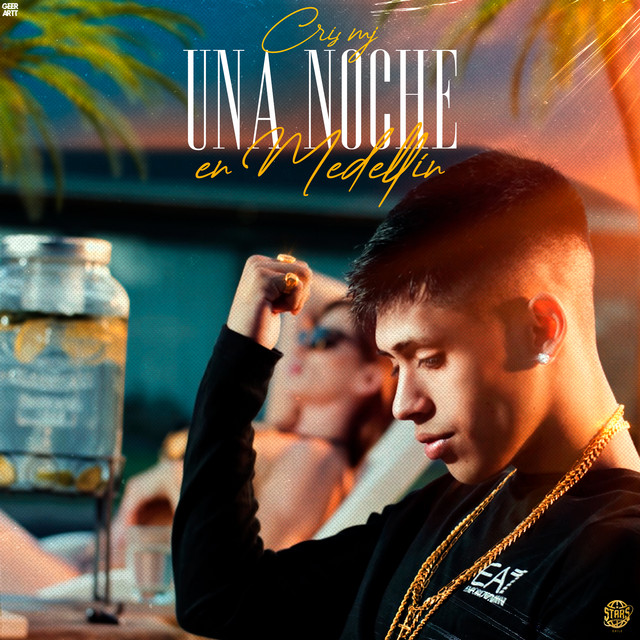
From 2020 onward, viral hits and TikTok‑ready hooks (e.g., Cris MJ’s “Una Noche en Medellín,” Polimá Westcoast & Pailita’s “ULTRA SOLO,” Standly’s “Mi Gata”) cemented reggaeton chileno on global playlists. The result is a scene that ranges from avant‑club neoperreo to sleek chart pop, unified by the dembow and a distinctly Chilean attitude.

How to make a track in this genre

Rhythm and tempo
•   Start with the dembow at 85–100 BPM. Use a tight kick, a snappy clap/snare on the off‑beats, and syncopated percs (shakers, rimshots, congas) to create forward motion. •   Keep drums minimal but punchy: short kicks, layered claps, and crisp hi‑hats with occasional rapid rolls.
Harmony and sound palette
•   Favor minor keys and 2–4 chord loops; common progressions cycle between i–VI–VII–III (or pop‑leaning vi–IV–I–V). •   Use modern urbano textures: subby 808s, bright plucks or bells, atmospheric pads, and sparse piano stabs. Add ear‑candy (vox chops, risers, laser FX) for transitions.
Vocals and writing
•   Rap‑sing with melodic phrasing and noticeable autotune. Alternate smooth hooks with more rhythmic verses. •   Lyric themes blend romance, sensuality, nightlife, and barrio pride; sprinkle in Chilean slang and local references for authenticity. •   Structure: short intro → hook (4–8 bars) → verse → pre‑chorus → hook; add a bridge or perreo break for variety.
Production and mix
•   Sidechain bass to the kick for bounce; keep low end clean and centered. •   Emphasize transient clarity on claps and hats; use tasteful saturation on 808s. •   For a neoperreo twist, experiment with edgier sound design, club‑forward percussion, and playful, internet‑native aesthetics.

Top tracks

Locked
Share your favorite track to unlock other users’ top tracks
Influenced by
Challenges
Digger Battle
Let's see who can find the best track in this genre
© 2026 Melodigging
Melodding was created as a tribute to Every Noise at Once, which inspired us to help curious minds keep digging into music's ever-evolving genres.
Buy me a coffee for Melodigging