Your digging level
Description
Ugandan pop is the mainstream, radio-friendly sound from Uganda that blends local rhythms and languages with pan-African and Caribbean pop trends.
It typically features upbeat 4/4 grooves, catchy call-and-response hooks, and a bright mix of dancehall riddims, soukous/rumba guitar figures, Afrobeats bounce, and R&B/hip‑hop production.
Lyrics often switch between Luganda and English (and at times Swahili or other local languages), focusing on love, celebration, nightlife, and occasional social commentary.
The style is highly dance-oriented, with crisp drum machines, syncopated bass lines, light guitar ostinatos, synth leads/brass, and group chants that invite audience participation.
History
Ugandan popular music grew from earlier band traditions and local styles such as kadongo kamu and the nightlife circuits of Kampala. Bands like Afrigo Band and artists such as Philly Bongole Lutaaya helped normalize modern arrangements and studio craft, while Congolese soukous/rumba and dancehall/reggae filtered into clubs and radio. This period set the musical vocabulary—danceable 4/4, melodic guitar lines, and singable refrains—that modern Ugandan pop would expand.
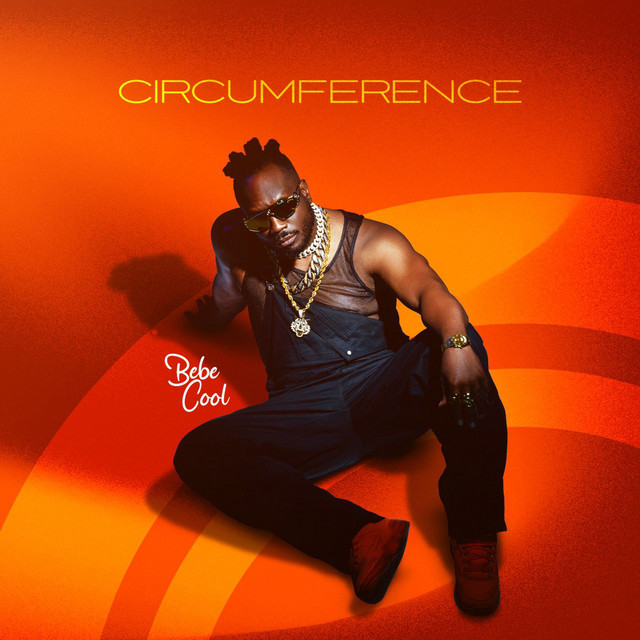
In the early 2000s, a new generation—led by Jose Chameleone, Bebe Cool, and Bobi Wine—crystalized a distinctly Ugandan pop identity. They fused dancehall riddims, soukous guitar licks, and Luganda/English lyrics into high-impact singles tailored for FM radio and bustling Kampala clubs. Local labels/camps (e.g., Leone Island, Gagamel, Fire Base) professionalized production, visuals, and live performance, helping the sound dominate domestic charts.
The 2010s saw stylistic breadth and regional reach. Radio & Weasel modernized the crossover Afro-pop template; Eddy Kenzo’s viral success brought international attention to Ugandan dance culture; and female stars like Juliana Kanyomozi, Sheebah Karungi, Rema Namakula, and Winnie Nwagi expanded the genre’s melodic and performance range. Increasing access to affordable DAWs, video platforms, and regional collaborations tightened ties to Afrobeats, bongo flava, and East/Central African pop.
With streaming and social media, a new cohort (e.g., Azawi, Pallaso’s continued run, Spice Diana) refines the sound with contemporary Afrobeats polish, occasional amapiano log-drum textures, and sleek songwriting camps. The genre remains anchored in danceability, multilingual hooks, and an ear for pan-African trends while retaining recognizable Ugandan rhythmic and vocal sensibilities.