Your digging level
Description
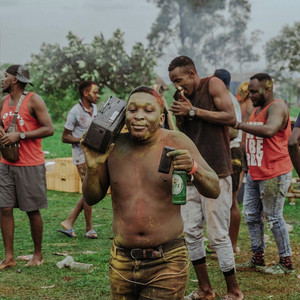
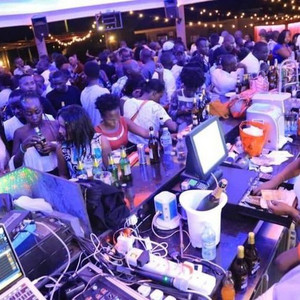
Kidandali is a Ugandan party-driven pop style whose name in Luganda roughly means “local party” or “celebration.” The term echoes the contexts where the music thrives—community functions, music concerts, and traditional ceremonies such as kwanjula (engagements)—where lively, participatory dance music is expected.
Musically, kidandali blends four-on-the-floor house energy with East African “band music” aesthetics: bright synths and keyboards, soukous-style interlocking guitars, buoyant bass lines, and percussion patterns that invite call-and-response singing. It borrows from reggae and dancehall’s relaxed bounce and from Afrobeat’s groove-centric arranging, yet it remains distinctly Ugandan in cadence, melodic turns, and lyrical topics (love, celebration, social life). Producers and bands aim for catchy hooks and danceable mid-to-uptempo grooves that work equally well on stage and in DJ sets.

History
Kidandali grew out of Uganda’s post-1990s urban dance scene and live “band music” culture. Resident bands and ensembles popular at weddings and community parties began fusing Congolese soukous/ndombolo guitar figures with electronic keyboards, drum machines, and four-on-the-floor patterns associated with house. As this hybrid settled, audiences and performers alike started calling the celebratory, party-first sound “kidandali,” reflecting its social function as music for bidandali (local parties).
Through the 2000s, leading Ugandan bands and star vocalists standardized the style’s arrangement language—bright keys, animated rhythm guitars, prominent bass, and sing-along refrains—while adopting production touches from Afrobeat, dancehall, and reggae. Radio, TV, and bustling concert circuits helped cement kidandali as a default soundtrack for ceremonies and weekend nightlife.
Digital workstations and the rise of modern pop production brought slicker mixes and club-friendly kicks, keeping kidandali competitive alongside afrobeats and bongo flava across East Africa. While retaining its Ugandan identity (Luganda and other local languages, culturally specific references), the genre now moves fluidly between live band stages and DJ-led events, remaining a staple of celebrations.
Aim for a danceable, celebratory feel at roughly 105–125 BPM. A steady four-on-the-floor kick (house influence) can underpin the track, with off-beat hi-hats or shakers and syncopated congas/hand percussion to add East African swing.
Use simple, catchy diatonic progressions (I–IV–V, I–V–vi–IV) and bright major-key melodies. Interlock two clean electric-guitar parts in a soukous-inspired “sebene” style: one playing short chordal stabs, the other weaving melodic arpeggios.
Combine band and club elements: drum machine or kit, electric bass with a buoyant, melodic line, keyboards (piano, organ, synth brass), and rhythm/lead guitars. Add occasional horn riffs or synth-brass hooks for fanfare. Keep the arrangement spacious so call-and-response vocals can cut through.
Write in Luganda or other Ugandan languages (with English phrases as desired). Center lyrics on celebration, love, community pride, and everyday social life. Craft memorable choruses designed for audience participation, and use responsive ad-libs to energize dancers.
Layer handclaps with the snare on beats 2 and 4 for communal feel. Sidechain the bass subtly to the kick for modern punch. Use short delays and plates on vocals and guitars to create sparkle without washing out rhythmic clarity.
![How To Make a Kidandali Urban Tone Beat with FL9 2021 [Luganda] On Sakata Vibes With Dj.Senior'B](https://i.ytimg.com/vi/rA0Q1I-7GwY/hqdefault.jpg)