Your digging level
Description
Ugandan traditional music is an umbrella for the country’s many ethnic music-dance cultures, from the Buganda royal drum and xylophone courts to the Acholi, Alur, Iteso, Basoga, Banyankore, Batooro, and Karamojong traditions.
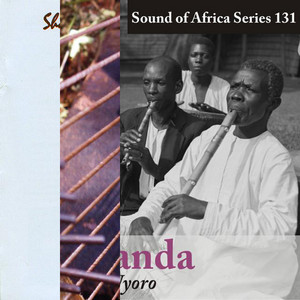
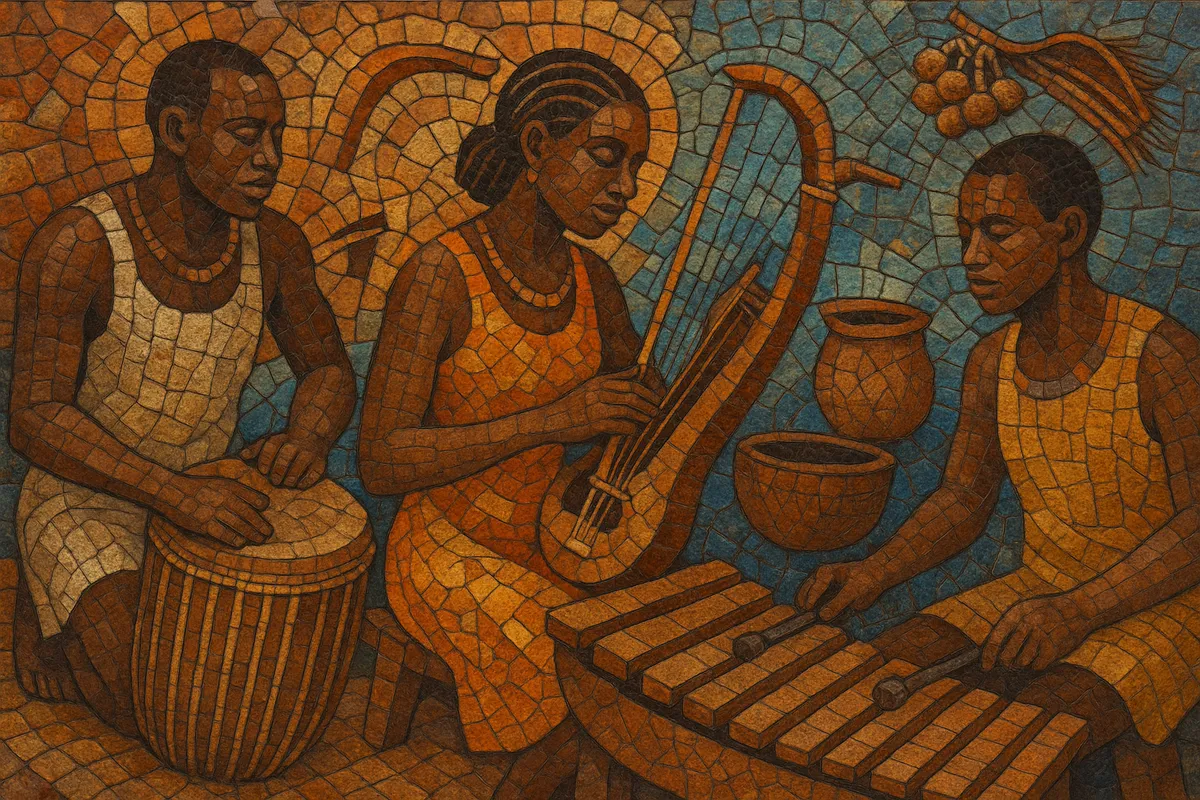
It features tuned drum ensembles (entenga), large interlocking xylophones (amadinda/akadinda; embaire), arched harps (adungu), bowl lyres (endongo), one‑string fiddles (endingidi), flutes (endere), trough zithers (enanga), thumb pianos (akogo/likembe), shakers (ensaasi), and ankle rattles. Vocal music often uses call‑and‑response, parallel parts, ululations, and dense responsorial textures.
Rhythm is polyrhythmic and cyclical; melody typically draws on pentatonic or heptatonic scales depending on region, with hocketing and interlocking patterns a hallmark of xylophone and harp music. Music is inseparable from dance and social life—performed for rites of passage, weddings, harvests, healing, praise, and royal ceremonies.
History
Ugandan traditional music predates written history and developed within diverse kingdoms and communities (e.g., Buganda, Bunyoro, Busoga, Ankole, Tooro, Acholi, Alur, Iteso). Music was integrated with dance, costume, poetry, and ritual—marking life-cycle events, agricultural seasons, royal praise, healing, and conflict resolution.
The Buganda court cultivated sophisticated tuned-drum (entenga) and xylophone (amadinda/akadinda) repertories using interlocking parts performed by multiple players. In northern and western regions, arched harps (adungu), bowl lyres (endongo), one‑string fiddles (endingidi), and large xylophones (embaire) anchored communal and ceremonial genres. Acholi dances such as bwola and larakaraka, Batooro/Banyoro runyege/ntogoro, and Banyankore ekitaguriro illustrate the tight bond between rhythm, movement, and social identity.
Missionization and colonial schooling introduced choirs, new instruments, and notation, while some court institutions were disrupted. Yet community ensembles and dance societies preserved core practices. Post‑independence cultural troupes and university departments began documentation, pedagogy, and staged presentations, broadening audiences at home and abroad.
From the late 20th century, ethnomusicologists and master musicians revitalized endangered repertoires (e.g., Buganda entenga). Cultural troupes (Ndere, Watmon) professionalized performance. Recordings and tours brought Ugandan instruments to world‑music stages, and contemporary artists began blending traditional idioms with modern genres and electronics.
Traditional ensembles remain central at ceremonies and festivals, while educational programs and museums safeguard instruments and repertoires. New hybrids—from acoustic fusions to club‑oriented styles—draw on these foundations, ensuring continuity and renewal.