Your digging level
Description
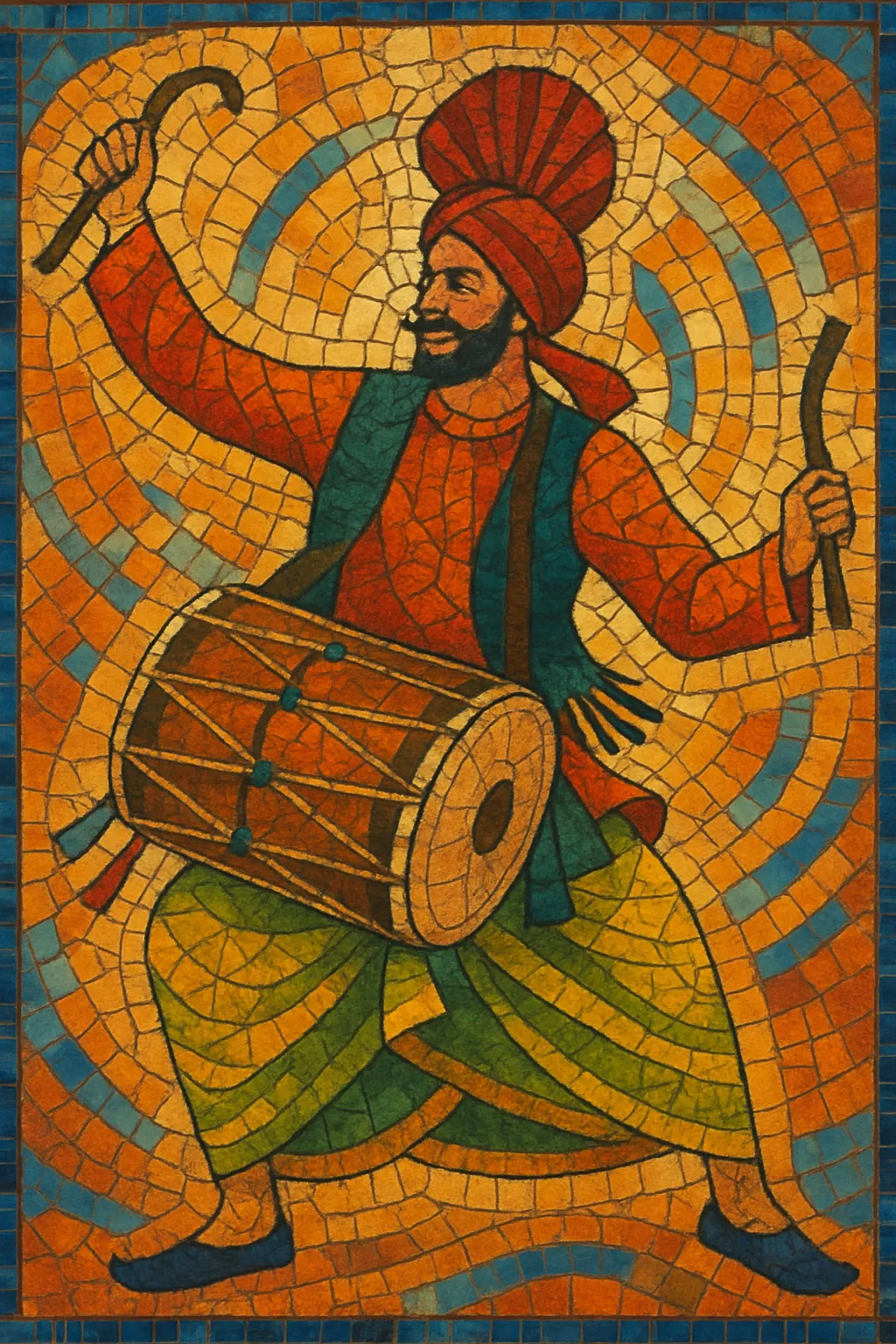
Bhangra is a high-energy Punjabi music and dance tradition that evolved from harvest and celebratory folk songs into a modern pop-dance style. It centers on powerful dhol drum patterns, bright tumbi riffs, and call-and-response vocals that make it instantly danceable.
While its roots lie in rural Punjabi folk culture, bhangra modernized in the post‑independence era and then transformed further in the South Asian diaspora—especially in the UK—where artists fused it with reggae, dancehall, hip hop, R&B, house, and electronic production. Contemporary bhangra often features Punjabi-language vocals, catchy choruses (boliyan), bold shouts (like “hoi!” and “balle balle!”), and arrangements designed for clubs and weddings.
History
Bhangra originated as a family of Punjabi folk dance-music practices connected to harvest festivals and community celebrations. In the mid‑20th century, amplification, studio recording, and radio helped standardize and popularize a distinct “bhangra” sound built around the dhol (double‑headed barrel drum), tumbi (single‑string lute), algoza/algosey (double flute), and vigorous group vocals.
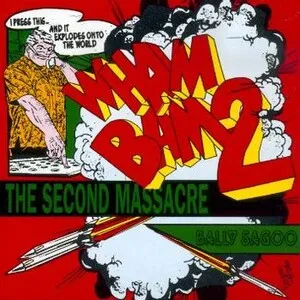
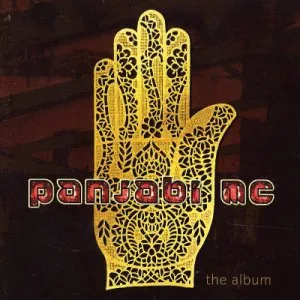
Large South Asian communities in the UK catalyzed a new wave of bhangra that blended Punjabi folk roots with Western club culture. Pioneering bands and artists such as Alaap, Heera, Apna Sangeet, Malkit Singh, and A. S. Kang brought live dhol into nightclubs and wedding halls, integrating elements of reggae, dancehall, R&B, and electronic beats. Producers like Bally Sagoo and artists such as Apache Indian advanced hybrid forms (ragga‑bhangra), while Panjabi MC’s “Mundian To Bach Ke” (late 1990s; international breakout in 2002) carried the sound to global pop audiences.
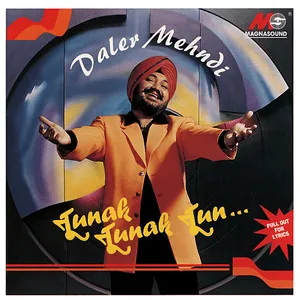
In India, performers like Daler Mehndi brought bhangra to national and international prominence with big‑budget videos and stadium‑ready anthems. Bollywood increasingly absorbed bhangra grooves and instrumentation, making Punjabi hooks a staple of mainstream Hindi cinema and Indian pop. The genre remained central to weddings, festivals, and diaspora parties, thriving as a social dance music.
Bhangra continues to evolve through collaborations with hip hop and EDM, crisp digital production, and cross‑border streaming. Live dhol performance, signature tumbi lines, and Punjabi lyrics remain core identifiers, even as artists experiment with trap drums, house drops, and R&B harmonies. University bhangra competitions, global bhangra nights, and festival circuits keep the culture vibrant and community‑centered.