Your digging level
Description
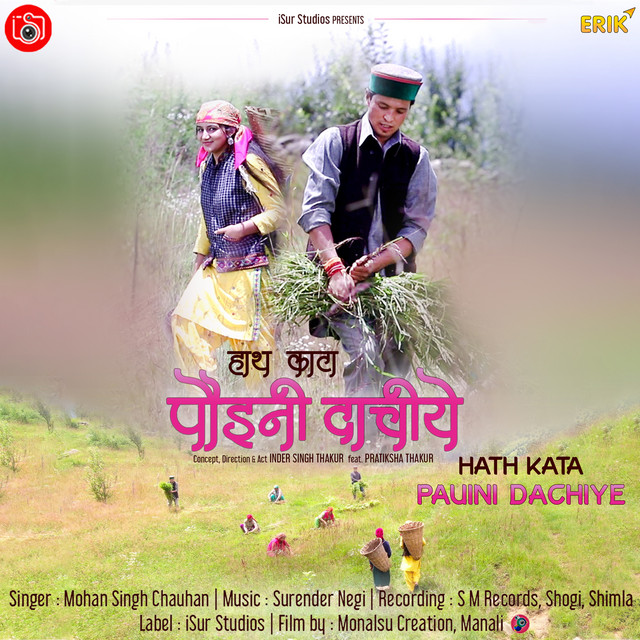
Pahadi pop is a contemporary regional pop style from India’s Himalayan hill states that blends upbeat electronic production and chart-friendly hooks with melodies, rhythms, and languages of the Pahari-speaking communities.
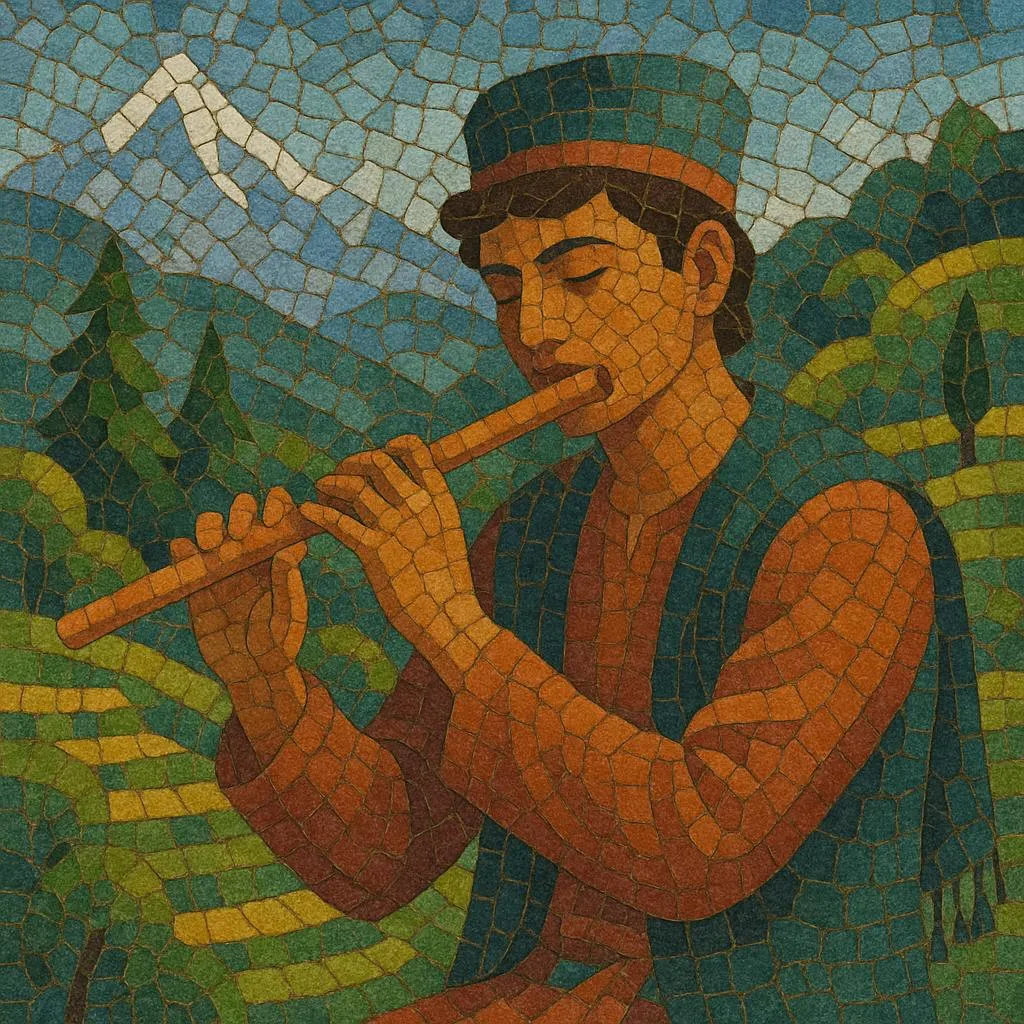
Typically sung in Garhwali, Kumaoni, Jaunsari, and Himachali Pahari dialects, the music keeps the lilt of traditional dance forms (such as nati, jhora, and chhapeli) while adopting modern verse–chorus structures, bright synths, and punchy drum programming. Acoustic colors—bansuri (flute), shehnai, dhol/damau, and occasional sarangi or violin—often complement the pop mix to retain a distinct mountain timbre.
Lyrically, Pahadi pop centers on love, friendship, local festivals, migration and homesickness, and vivid imagery of the hills—pine forests, terraced fields, and snow peaks—delivered through catchy refrains intended for both wedding dance floors and streaming playlists.
History
“Pahadi” refers to the peoples and languages of India’s Himalayan foothills, especially Uttarakhand and Himachal Pradesh. For decades, local folk (Garhwali, Kumaoni, Jaunsari, and Himachali Pahari) thrived through cassettes, village fairs (melas), weddings, and radio. As Indian pop and Bollywood songs reached every corner of the hills in the 1990s–2000s, younger artists began recasting local folk melodies with modern instrumentation and studio polish.
Affordable home studios, YouTube, and regional OTT channels in the 2010s accelerated a new wave: Pahadi pop. Artists applied glossy pop production—EDM-lite drums, synth bass, and earworm choruses—to indigenous rhythmic feels (notably the lilting 6/8 sway common to several hill dances). This era also normalized music videos shot amid mountain scenery, strengthening the genre’s visual identity and diaspora appeal.
Pahadi pop matured into a scene with dedicated labels, regional radio/TV slots, and active social media promotion. Crossovers emerged: duets with Bollywood vocalists, DJ remixes for weddings, and collaborations with indie singer‑songwriters. While production modernized, the genre kept its anchoring features: Pahari dialects, call‑and‑response refrains, and organic touches (bansuri, shehnai, dhol/damau) that distinguish it from pan‑Indian pop.
The style now spans dance‑oriented festival singles and mellow romantic ballads. It functions as both cultural preservation—updating folk roots for younger listeners—and a contemporary regional pop identity that travels well across India and the global Pahadi diaspora.
Language and themes: Write in Garhwali, Kumaoni, Jaunsari, or Himachali Pahari. Focus on love, friendship, festivals, migration, and evocative mountain imagery. Keep lyrics simple, repetitive, and hook‑friendly for sing‑along appeal.
•Rhythm and groove: Start with a lilting 6/8 or a gently swinging 3/4/6/8 feel inspired by nati, jhora, or chhapeli. For dance singles, move toward 4/4 at 110–128 BPM but retain the lifted, circular pulse of folk dance steps.
•Melody and harmony: Use diatonic folk‑like tunes with a bright major or mixolydian flavor (major scale with a flat 7), and occasional Hindustani inflections (light touches reminiscent of Khamaj/Bilawal). Favor stepwise motion, call‑and‑response phrases, and tuneful, short refrains.
•Instrumentation: Blend modern pop/EDM elements (kick/snare or clap on 2/4, synth pads, plucks, bass) with acoustic colors: bansuri or shehnai for leads, dhol/damau or dholak for earthy percussion, and occasional sarangi/violin or acoustic guitar for warmth.
•Structure and hooks: Use a clear verse–pre–chorus–chorus format. Place a memorable, dialect-specific catchphrase in the chorus; reinforce it with group backing vocals to mimic folk chorusing.