Your digging level
Description
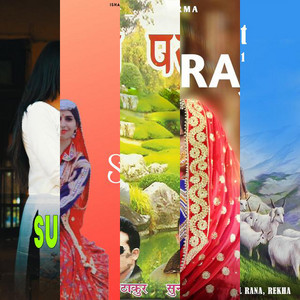
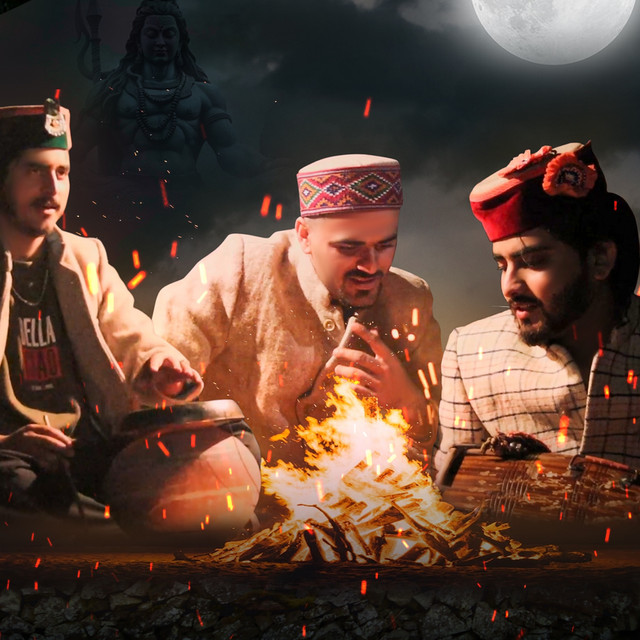
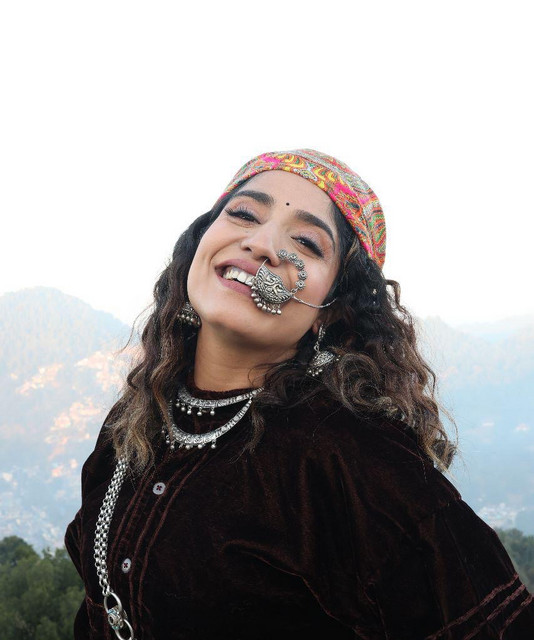
Gaddiyali pop is contemporary popular music sung in Gaddiyali (Gaddi), a Western Pahari language spoken by the Gaddi people of the Chamba and Kangra regions of Himachal Pradesh, India.
Stylistically it fuses local Pahari/Himachali folk melodies and festival rhythms with pan‑Indian pop production—Bollywood hooks, Punjabi/Bhangra percussion energy, and modern electropop textures. Expect autotuned lead vocals, bright synth lines, guitar or harmonium pads, and dance‑forward dhol/dholak grooves.
The scene has grown primarily on regional YouTube channels and short‑video platforms, where low‑budget but catchy singles, wedding/fair anthems, and devotional‑tinged pop circulate widely among mountain communities and the Himachali diaspora.
History
Gaddiyali pop emerges from the folk traditions of the Gaddi people in present‑day Himachal Pradesh (especially Chamba, Bharmaur/Bharmour, and parts of Kangra). For generations, local songs were performed at village fairs (melas), yatra/jaatra processions, weddings, and seasonal gatherings, often to dhol, nagada, and shehnai or flute. The linguistic identity—Gaddiyali—anchored the repertoire even as performers absorbed ideas from neighboring Kangri and other Pahari styles.
The widespread availability of affordable home studios and the rise of YouTube catalyzed a shift from purely folk performance to pop single culture. Young singers began releasing Gaddiyali‑language tracks that borrowed Bollywood song forms (verse–pre‑chorus–hook), Punjabi/Bhangra percussion drive, and electropop sound design (autotune, side‑chained synths, programmed drums). Regional labels and social pages amplified this growth, making Gaddiyali pop audible far beyond village functions.
Short‑video apps, Reels, and WhatsApp sharing accelerated the genre’s reach. Production values rose—cleaner mixes, tighter drum programming, and slick video aesthetics—while lyrics continued to celebrate mountain life, romance, friendship, seasonal migration, and devotional themes (especially Shaivite references common in the region). Collaboration with Punjabi session players and beat‑makers further tightened grooves and club readiness, solidifying a distinct Himachali pop identity within India’s wider regional‑language boom.