Your digging level
Description
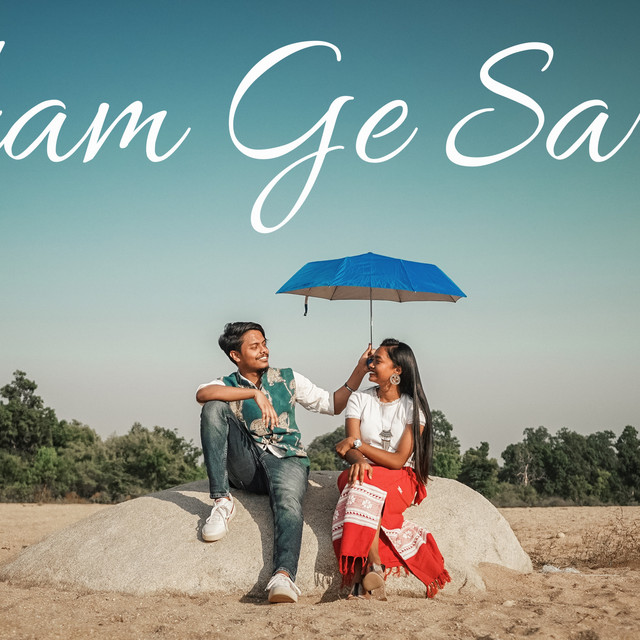
Santali pop is a contemporary popular music style sung primarily in the Santali language by the Santal people of eastern and central India. It fuses traditional Santal melodic ideas, rhythms, and call‑and‑response vocals with the song structures, hooks, and electronic production of Indian pop and dance music.
Typical tracks blend hand‑drummed grooves and festival chants with synth pads, programmed drums, and glossy vocal production. Lyrical themes revolve around love, friendship, village life, seasonal festivities (such as Karam, Sohrai, and Baha), and community pride, often using the Ol Chiki script and idiomatic expressions to signal cultural identity.
History
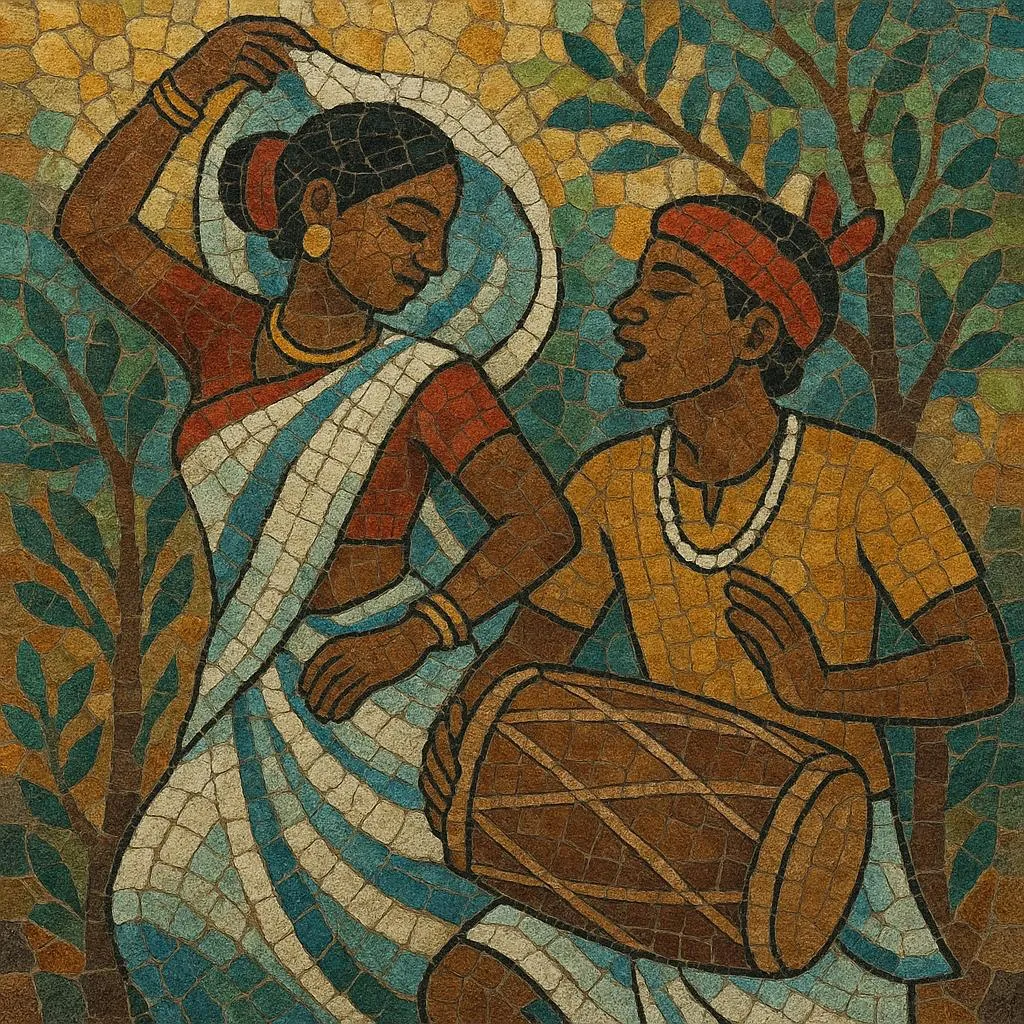
Santali popular song culture grew out of a long tradition of Santal festival singing and ensemble dance, accompanied by drums such as the tumdak' and tamak'. In the late cassette era, regional studios in Jharkhand, Odisha, and West Bengal began recording Santali‑language songs with pop arrangements. Cheap cassettes and community radio helped these songs circulate beyond live festivities into everyday listening.
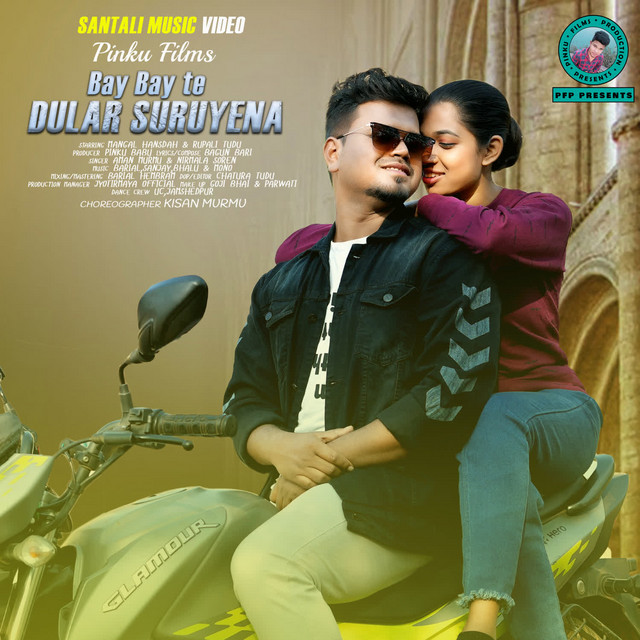
The 2000s saw a boom in low‑budget music videos and VCDs distributed through local markets. Regional television and the emergence of Santali films created new platforms for pop acts, while producers increasingly blended folk percussion with Bollywood‑style harmonies and electronic instrumentation. The genre’s identity solidified around danceable beats, ear‑catching refrains, and romantic or festive narratives.
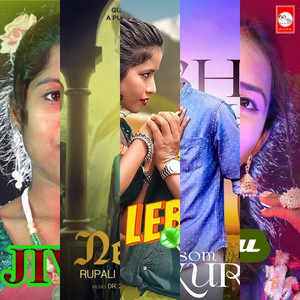
Affordable smartphones, YouTube, Facebook, and regional streaming apps propelled Santali pop into a wider South Asian and diaspora audience. Independent singers, small labels, and videographers professionalized their output, adopting higher‑fidelity production, autotune polish, choreographed videos, and cross‑regional collaborations. Festival songs and wedding anthems became viral staples.
Today Santali pop is a vibrant regional pop ecosystem. Artists routinely merge EDM drops, trap‑influenced drums, and electropop textures with traditional chants and group choruses. While dance hits dominate, there is also a parallel lane of acoustic and folk‑pop ballads. The genre serves as an important vehicle for language pride, cultural representation, and economic opportunity for Santal youth.