Your digging level for this genre

0/8
🏆
Sign in, then listen to this genre to level up

Description

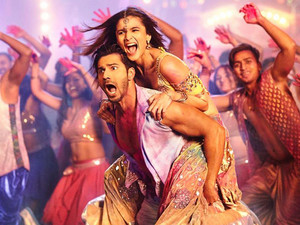
Modern Bollywood is the contemporary sound of Hindi‑language film music that emerged in the 2000s and crystallized in the 2010s. It blends classic filmi songwriting with global pop, EDM, hip‑hop, and R&B production, resulting in hook‑forward, polished tracks designed for both cinematic scale and streaming virality.

Stylistically, it keeps melodic DNA from Hindustani ragas, ghazal, qawwali, and regional folk (especially Punjabi/Bhangra), while adopting Western harmony, four‑on‑the‑floor grooves, trap drums, and glossy synth textures. Hinglish lyrics, prominent topline hooks, and dance‑ready choruses are common. The era also popularized re-creations of older hits alongside original songs, with tight, radio‑friendly structures and high‑impact mixes that translate from theaters to reels.

History

Late 1990s–2000s: Foundations and global pop fusion

The groundwork for Modern Bollywood was laid in the late 1990s when composers began pairing filmi song forms with contemporary electronic production. Through the 2000s, music directors such as Shankar–Ehsaan–Loy, Vishal–Shekhar, Pritam, and A.R. Rahman normalized Western harmony, modern drum programming, and genre mixing (rock, R&B, house) within Hindi film songs. The industry refined a hit‑making pipeline where soundtrack singles anchored film marketing cycles.

2010s: EDM era, rap crossover, and hook-first writing

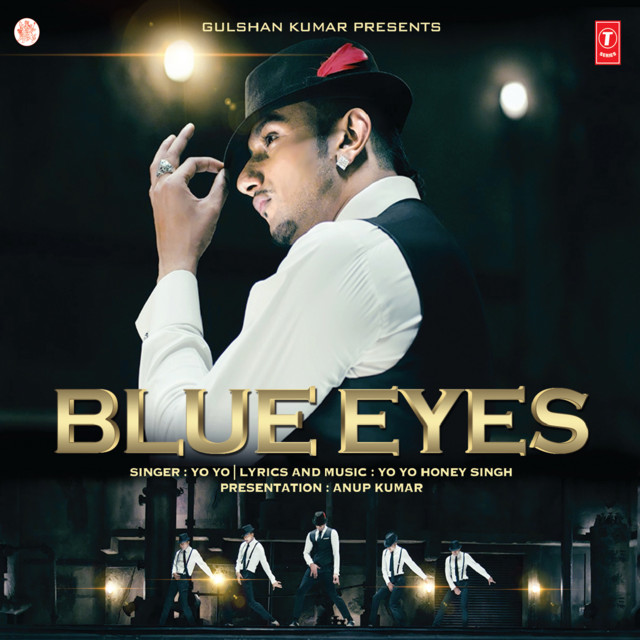
The 2010s saw EDM builds and drops, four‑on‑the‑floor bangers, and trap‑influenced drums become mainstream, while Punjabi pop/Bhangra elements (dhol, tumbi, Punjabi phrases) remained central to dance numbers. Rap verses and pop‑rap crossovers (e.g., Badshah, Yo Yo Honey Singh) entered the mainstream. Singers like Arijit Singh and Shreya Ghoshal defined the emotive ballad sound, while producers honed concise, hook‑driven structures for radio and streaming. Re-creations of classic songs surged, sparking debate about originality even as they delivered chart success.

2020s–present: Streaming native, social media, and pan-Indian exchange

With streaming and short‑video platforms shaping discoverability, song intros became shorter, hooks arrived earlier, and mixes emphasized loudness and immediacy. Labels like T‑Series scaled data‑led A&R, while independent and film ecosystems increasingly overlapped. The modern Bollywood palette influenced and absorbed trends from other Indian film industries (Tamil, Telugu, Malayalam, Kannada), and cross‑border South Asian pop. The style now spans glossy dance tracks, soulful ballads with contemporary R&B sheen, and rap‑pop hybrids—still rooted in filmi storytelling but optimized for a global, digital audience.

How to make a track in this genre

Song form and structure
•   Use the Hindi song architecture (mukhda/chorus as the main hook, antara/verses that evolve melodically, optional bridge/rap break) within a tight 2:45–3:30 runtime. •   Get to the hook fast (within 30–45 seconds). Consider a pre‑chorus lift and an EDM‑style drop or post‑chorus chant for dance numbers.
Melody and harmony
•   Write singable, raga‑tinged toplines with expressive melisma; balance stepwise motion with occasional ornamental turns (meend, kan, murki) for filmi character. •   Harmonically, blend diatonic pop progressions (I–V–vi–IV, vi–IV–I–V) with modal colors that evoke Hindustani moods. Use secondary dominants or brief key lifts for drama near the final chorus.
Rhythm and groove
•   For dance tracks: 118–132 BPM four‑on‑the‑floor with sidechained synth bass; layer dhol accents on beats 1/3 and upbeat claps; tumbi riffs for bounce. •   For pop‑rap hybrids: 84–100 BPM with trap hats (32nd‑note rolls), 808s, and call‑and‑response hooks. •   For ballads: 70–92 BPM half‑time grooves; light percussion (tabla/dholak) beneath modern drum programming.
Instrumentation and sound design
•   Core: modern drum kit (samples), sub/808 or synth bass, lush polysynths, plucks/arp for sparkle, stacked vocal harmonies/ad‑libs. •   Organic colors: dhol, dholak, tabla, bansuri, harmonium, sarangi, sitar/tanpura pads for texture. Blend these with synths to keep the modern sheen. •   Production: crisp, bright top end; controlled low end for theater LFE and streaming; tasteful Auto‑Tune for polish; prominent hook doubles/gang vocals.
Lyrics and delivery
•   Themes: romance, celebration, friendship, aspirational nightlife, cinematic empowerment. Use Hinglish for immediacy, Punjabi phrases for energy in dance cuts. •   Keep choruses slogan‑like and choreo‑friendly (clear scansion, punchy end‑rhymes). Consider a featured rap verse or a short vocal drop/chant.
Arrangement tips
•   Intro sting (2–8 bars) → verse → pre‑chorus → chorus (hook) → verse 2/rap → pre‑chorus → big chorus → post‑chorus/drop. Add a late key lift or percussion break for the final payoff. •   Leave space for visuals: instrumental breaks for choreography; dynamic swells and stops that match on‑screen cuts.

Top tracks

Locked
Share your favorite track to unlock other users’ top tracks
Influenced by
Has influenced
Challenges
Digger Battle
Let's see who can find the best track in this genre
© 2025 Melodigging
Melodding was created as a tribute to Every Noise at Once, which inspired us to help curious minds keep digging into music's ever-evolving genres.
Buy me a coffee for Melodigging