Your digging level for this genre

0/8
🏆
Sign in, then listen to this genre to level up

Description

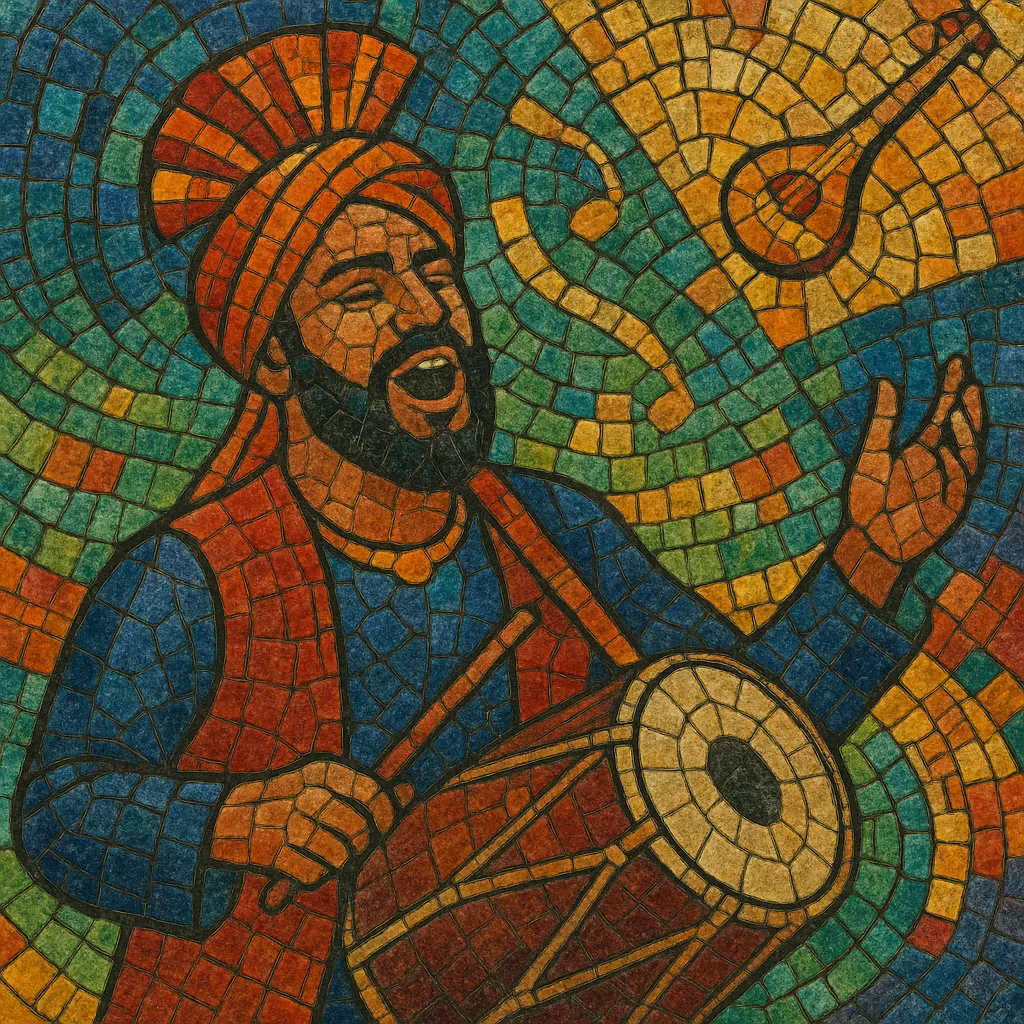
Punjabi pop is contemporary popular music performed primarily in the Punjabi language, blending the folk rhythms and melodies of Punjab with modern pop, hip hop, EDM, and R&B production.

It emphasizes energetic dance grooves, big sing-along hooks, and bright, percussive timbres such as dhol and tumbi layered with synthesizers, 808s, and glossy vocal processing. While rooted in the culture of the Punjab region, Punjabi pop has grown through the South Asian diaspora—especially the UK and Canada—into a global style that regularly crosses into Bollywood and international charts.

History

Origins (1980s)

Punjabi pop emerged in the 1980s at the intersection of Punjabi folk, UK bhangra club culture, and the growing Indian pop (Indi-pop) market. Diaspora bands in Britain modernized folk rhythms with drum machines, synths, and bass-forward mixes, setting the template for a Punjabi-language pop sound designed for dance floors and cassettes.

Breakthrough and Indipop Boom (1990s)

The 1990s saw Punjabi pop crystallize as a mainstream phenomenon in India, propelled by music TV channels, cassettes/CDs, and star performers like Daler Mehndi whose high-energy hits proved that Punjabi-language singles could dominate national charts. Parallel UK acts and producers refined the fusion of dhol/tumbi motifs with pop songcraft and glossy videos.

Bollywood Crossover and Club Era (2000s)

Through the 2000s, Punjabi pop hooks and beats flowed into Bollywood soundtracks, creating a feedback loop: film songs popularized Punjabi pop aesthetics, while non-film Punjabi singles leveraged music channels and club circuits. Production incorporated heavier sub-bass, brighter synths, and four-on-the-floor patterns alongside the traditional bhangra "chaal" rhythm.

Streaming Globalization (2010s–present)

With YouTube and streaming platforms, Punjabi pop achieved global reach. Artists from India, the UK, and North America delivered viral singles featuring hybrid arrangements (EDM drops, rap verses, and folk refrains). The scene diversified—trap-leaning beats, R&B crooning, and stadium-ready choruses co-exist—while Punjabi pop continues to influence Hindi pop and mainstream Bollywood.

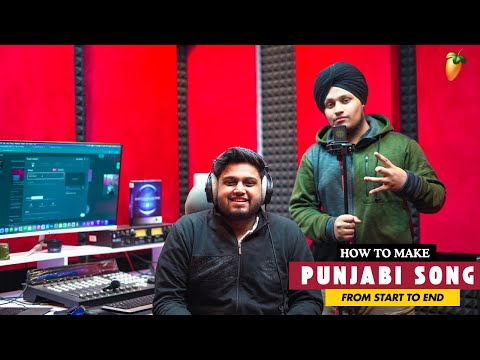
How to make a track in this genre

Core Groove and Tempo
•   Use a driving 4/4 at 92–110 BPM for pop/hip-hop oriented tracks, or 120–132 BPM for dance bangers. •   Anchor the rhythm with the bhangra "chaal" on dhol, layering claps, shakers, and kicks for a wide, danceable backbeat.
Instrumentation and Sound Palette
•   Combine traditional colors (dhol for impact, tumbi for bright riffs, algoza or flute for folk ornament) with modern elements (808s, supersaws, plucks, and wide pads). •   Sidechain the bass to the kick for club-friendly punch; add crisp transient shaping on dhol hits and tumbi plucks.
Harmony and Melody
•   Keep harmony simple and hook-centric: diatonic I–V–vi–IV or i–VI–III–VII progressions work well. •   Write vocal lines that emphasize memorable refrains; incorporate Punjabi folk ornamentation (murki, meend) and call-and-response boliyan-style couplets.
Structure and Arrangement
•   Common structure: Intro (riff/drop teaser) → Verse → Pre-chorus → Big Hook/Drop → Verse/Rap → Hook → Outro. •   Feature an instrumental motif (tumbi or synth lead) that returns before/after the hook to build recognition.
Lyrics and Delivery
•   Use Punjabi (with occasional code-switching) to express celebration, romance, swagger, and community pride (pind, dance, fashion, cars). •   Vocals are energetic and forward; tune and double-track hooks for sheen, but retain expressive slides and trills for authenticity.
Mixing and Mastering
•   Prioritize low-end clarity (kick–bass cohesion) and bright midrange for tumbi/vocals. •   Aim for a loud, polished master suitable for streaming and club playback, with controlled high-end to avoid harshness.

Top tracks

Locked
Share your favorite track to unlock other users’ top tracks
Influenced by
Has influenced
Challenges
Digger Battle
Let's see who can find the best track in this genre
© 2025 Melodigging
Melodding was created as a tribute to Every Noise at Once, which inspired us to help curious minds keep digging into music's ever-evolving genres.
Buy me a coffee for Melodigging