Your digging level
Description
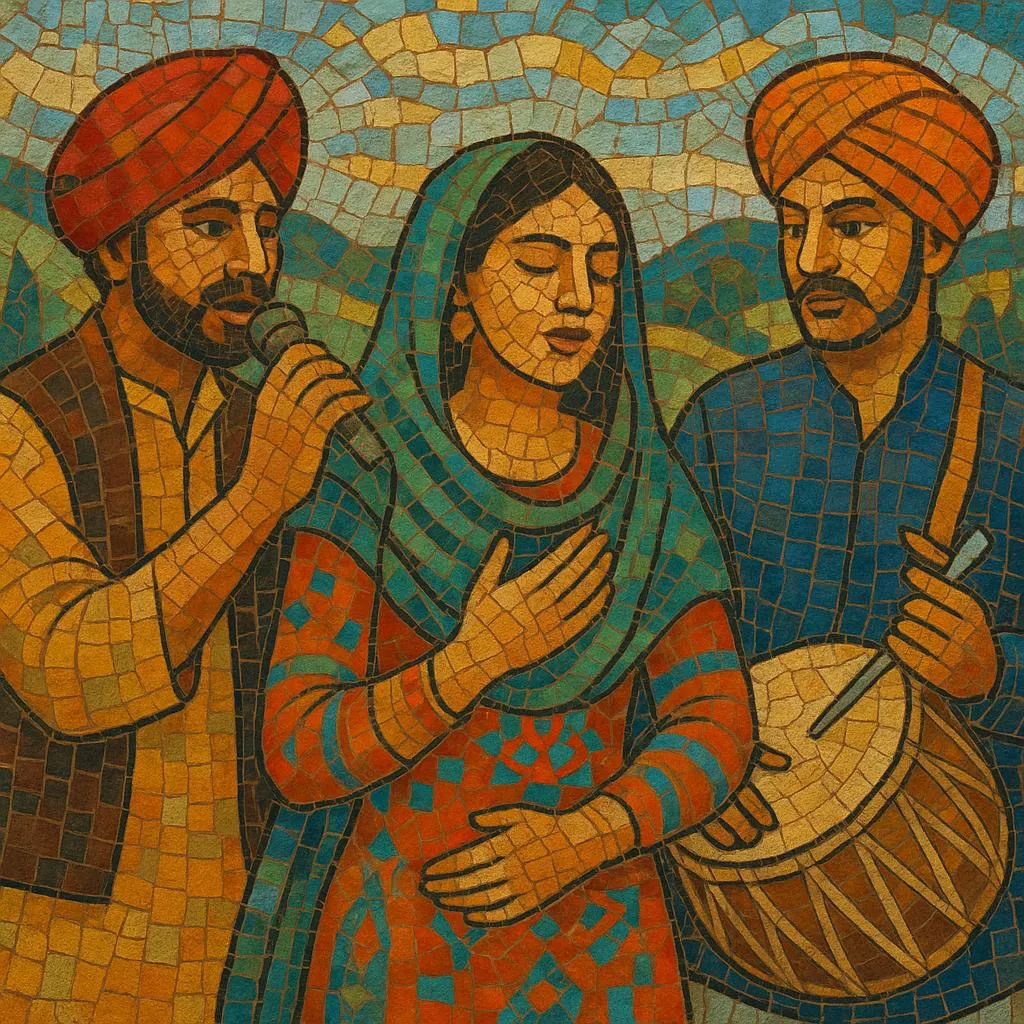
Dogri pop is contemporary popular music performed in the Dogri language, spoken primarily in the Jammu region of India.
It blends local Dogra folk idioms (such as Kud dance rhythms, Geetru, Bhaakh, and wedding songs) with mainstream Indian pop production: polished vocals, catchy refrains, and electronic rhythm sections. Stylistically, it borrows grooves and instrumentation from Punjabi pop/Bhangra (dhol, tumbi, chimta), Bollywood-style melody writing, and modern EDM/hip‑hop sound design (808s, plucked synths, autotune as an effect).
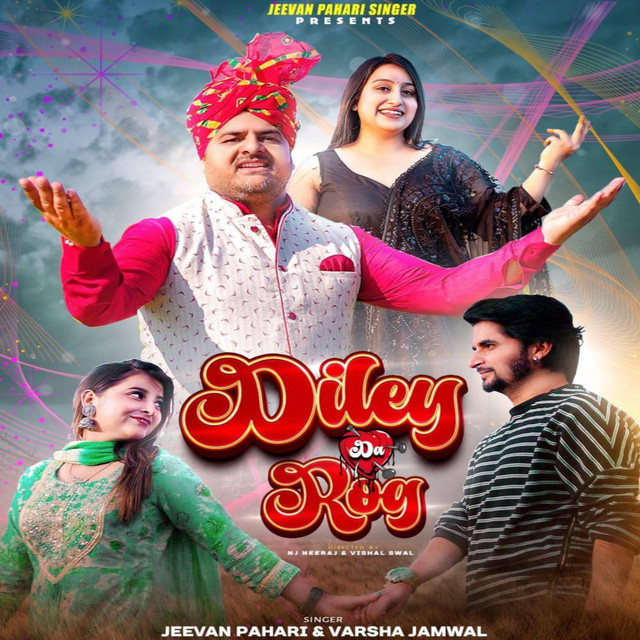
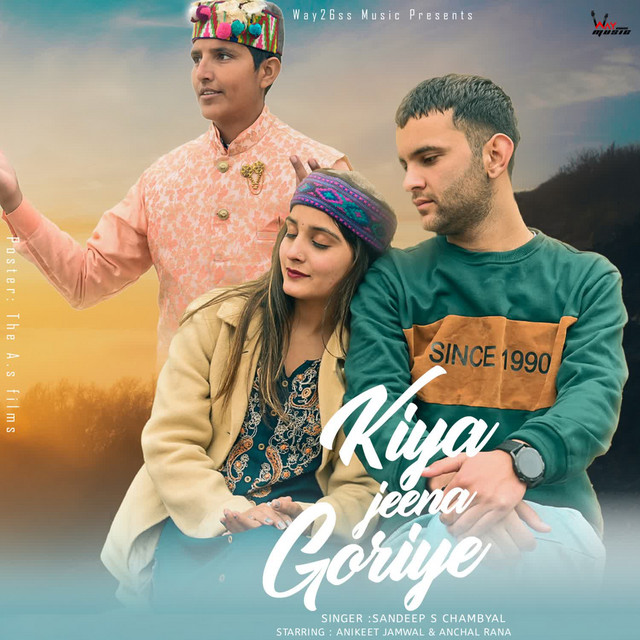
Themes commonly celebrate love, family, festivals, Dogra identity and landscapes (e.g., the Tawi and Chenab), and the social life of Jammu and its diaspora. Releases are distributed primarily via YouTube, short‑video platforms, and streaming services, with music videos foregrounding regional fashion, dance, and local scenery.
History
Dogri-language song traditions long predate “pop,” living in folk genres such as Kud, Geetru, Bhaakh, and seasonal/wedding repertoires. In the late 20th century, All India Radio (Jammu) and cultural bodies in the region helped document and broadcast Dogri songs, shaping a shared repertoire and taste for modernized arrangements. Meanwhile, Bollywood and Punjabi pop were setting the commercial template that regional scenes across North India would soon adapt.
Affordable home studios, VCD/DVD-era videos, and then YouTube catalyzed a new wave of Dogri-language releases. Producers borrowed Bhangra backbeats, Bollywood hook-writing, and EDM textures, while retaining Dogra folk melodies, call‑and‑response refrains, and regional percussion. Viral videos—often centered on weddings, festivals, and scenic Jammu—defined the visual language of Dogri pop.
Short‑video platforms and streaming widened the audience, including a Dogri-speaking diaspora in Delhi, Punjab, and beyond. Collaborations with Punjabi and Hindi producers, remixes of folk standards, and cross‑genre experiments (hip‑hop verses over folk hooks; EDM drops after dhol builds) became common. Local labels and artist collectives professionalized marketing and video production, while cultural institutions continued to support Dogri-language content.
Today, Dogri pop is a vibrant regional micro‑scene: singles-first, video-led, and algorithm-aware. It remains anchored in Dogra identity while fluent in the broader grammar of Indian pop, from romance ballads to dancefloor anthems.