Your digging level for this genre

0/8
🏆
Sign in, then listen to this genre to level up

Description

Desi trap is a South Asian fusion of Southern US trap and regional "desi" (South Asian) musical vocabularies such as Punjabi, Hindi, and Urdu pop and folk. It blends booming 808 bass, double‑time hi‑hat patterns, and snare rolls with samples or motifs from Bollywood, bhangra, and Indian classical traditions.

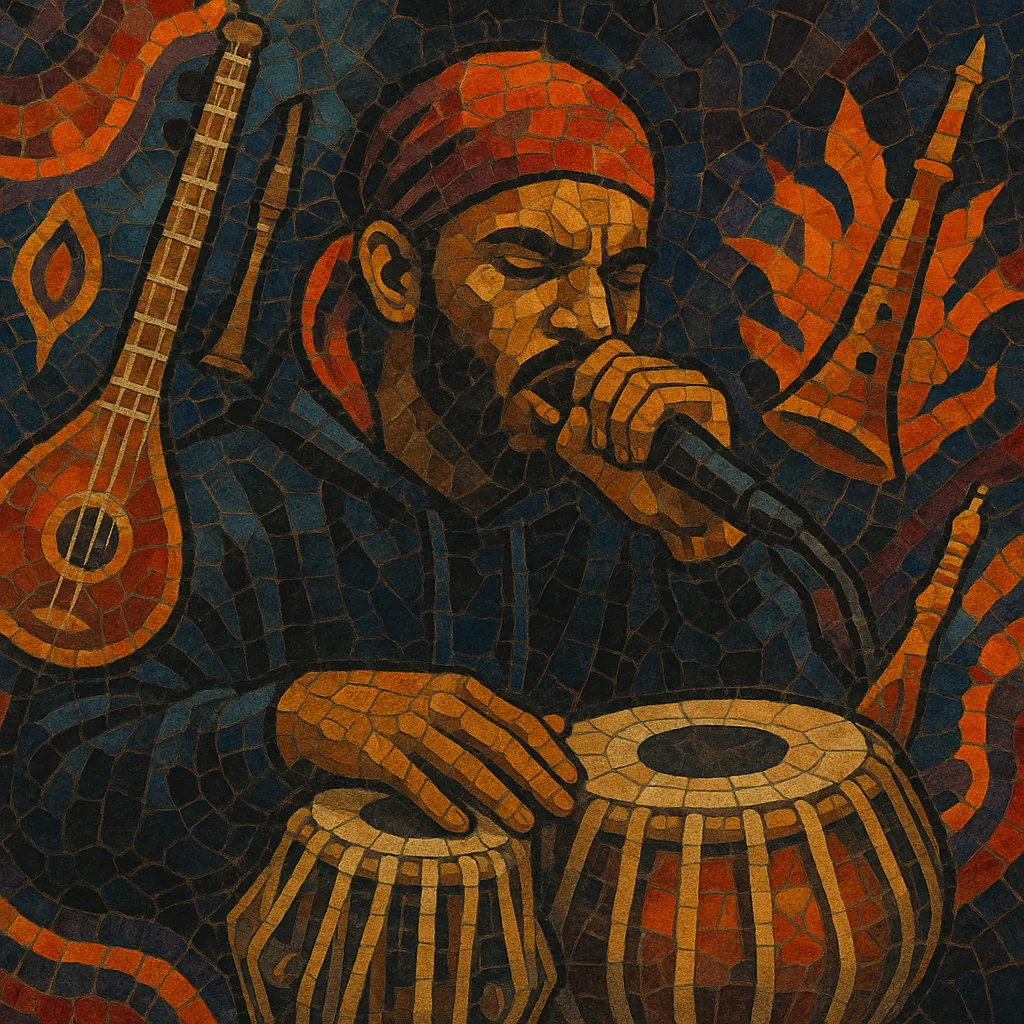
Vocals typically switch between English and South Asian languages (often Hinglish or Punjabi), with punchy ad‑libs and autotuned toplines sitting alongside gritty rap verses. Producers frequently incorporate tabla, tumbi, shehnai, sitar, or vocal alaaps as hooks, creating a high‑impact, cinematic sound that is both street‑ready and festival‑friendly.

History

Origins (early–mid 2010s)

Desi trap emerged as producers and rappers across India, Pakistan, and the South Asian diaspora began fusing Atlanta‑born trap sonics with local musical DNA. Early experiments took cues from the booming 808s and rapid hi‑hat programming of Southern hip hop and trap, while sampling or replaying melodic ideas from Bollywood, bhangra, and Indian classical music. Parallel growth in desi hip hop built the audience and infrastructure that desi trap would leverage.

Breakout and scene formation (mid–late 2010s)

As YouTube, streaming, and inexpensive production tools proliferated, beatmakers and rappers rapidly iterated on the formula. Punjabi and Hindi hooks over trap drums became a signature, attracting massive regional and diaspora audiences. Crews and producers known for hard‑hitting 808 mixes helped standardize the sound: sliding 808 basses, cinematic intros, and bilingual hooks that travel across markets.

Mainstreaming and crossovers (late 2010s–2020s)

Desi trap aesthetics began to surface in Punjabi pop and Bollywood‑adjacent releases, as well as in collaborations with global urban scenes. The sound broadened to include melodic trap, trap‑EDM hybrids, and emo‑tinged deliveries. Social platforms accelerated viral hooks, while touring circuits in India, Pakistan, the UK, North America, and the Gulf helped solidify a transnational fanbase.

Today

Desi trap functions as a flexible toolkit: artists blend gritty street rap, glossy pop hooks, and regional folk timbres over modern trap production. It continues to influence adjacent South Asian styles, including more melodic and emo‑leaning variants, while remaining a gateway for cross‑cultural collaborations.


How to make a track in this genre

Core rhythm and tempo
•   Work at 130–150 BPM (or 65–75 BPM in half‑time) to get the classic trap bounce. •   Program crisp, syncopated hi‑hats (1/16–1/32 notes) with occasional triplets and stutter rolls. •   Place claps/snares on beat 3 (half‑time feel), and use sparse, punchy kicks that interplay with sliding 808s.
Sound palette and instrumentation
•   Use a tuned 808 with portamento slides; layer subtle saturation or distortion for presence. •   Incorporate South Asian timbres: tumbi riffs, tabla grooves, dhol fills, sitar motifs, shehnai leads, tanpura drones, or sampled Bollywood/folk vocals as ear‑catching hooks. •   Design cinematic intros with drones, vocal alaaps, or risers before the drop.
Harmony and melody
•   Favor minor modes (natural/harmonic minor) and Phrygian flavors; short, modal motifs work well. •   Combine pentatonic or raga‑inspired phrases with modern trap leads, keeping harmonic movement sparse to spotlight rhythm and vocals.
Vocals and lyrics
•   Blend languages (e.g., Hinglish, Punjabi, Urdu) for punch and locality; alternate rap verses with autotuned melodic hooks. •   Themes often include hustle, street credibility, aspiration, swagger, and diasporic identity. Use ad‑libs to energize transitions and drops.
Arrangement and mix
•   Common form: Intro → Verse → Pre‑hook → Hook/Drop → Verse → Hook → Outro. •   Sidechain the 808 to the kick; carve space for vocals with subtractive EQ and de‑essing. •   Use width on melodic elements (stereo delays/chorus), keeping drums/808s centered for impact.
Production tips
•   Layer organic percussion (tabla/dhol) subtly under trap drums for groove without overcrowding. •   Pitch‑shift or time‑stretch vocal chops from regional sources to craft signature hooks. •   Aim for loud but controlled masters; retain transient snap on kicks and claps.

Top tracks

Locked
Share your favorite track to unlock other users’ top tracks
Influenced by
Challenges
Digger Battle
Let's see who can find the best track in this genre
© 2025 Melodigging
Melodding was created as a tribute to Every Noise at Once, which inspired us to help curious minds keep digging into music's ever-evolving genres.
Buy me a coffee for Melodigging