Your digging level

For this genre
0/8
🏆
Sign in, then listen to this genre to level up

Description

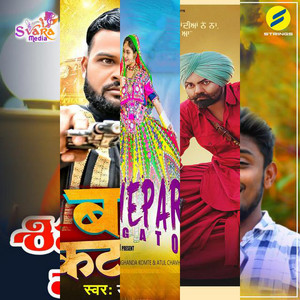
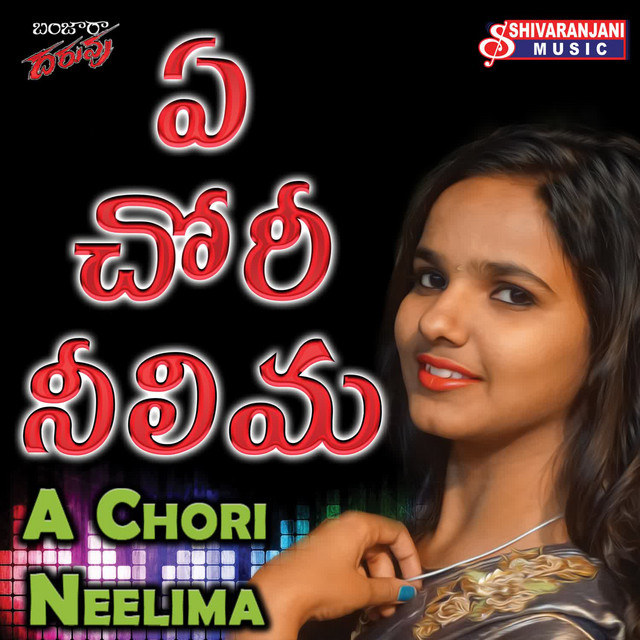
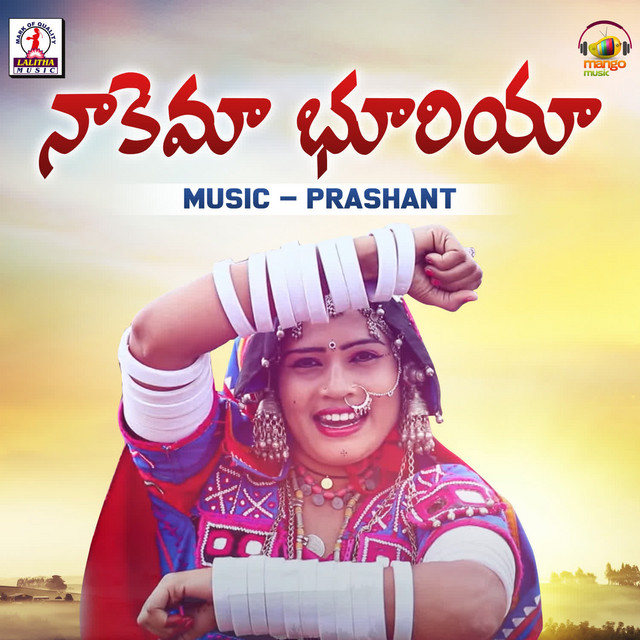
Banjara pop is contemporary popular music created by and for India’s Banjara (Lambani/Sugali) community. It blends regional Banjara folk idioms, dance rhythms, and Gor Boli/Lambadi (alongside Hindi, Marathi, Telugu and other local languages) with glossy, low‑to‑mid budget pop production.

Typical releases feature ear‑catching hooks, bright synthesizers, dhol/tabla‑derived percussion patterns, and call‑and‑response refrains that suit community celebrations, weddings, and dance videos. Visual culture—costume, jewelry, and choreography—travels with the music via YouTube/Facebook/short‑video platforms, helping the style circulate across Maharashtra, Telangana, Andhra Pradesh, Karnataka, and Rajasthan.

As a grassroots, platform‑driven micro‑scene, Banjara pop is less about album artists and more about singles, local studios, and viral clips that keep traditional melodies and themes alive in unmistakably modern form.


Sources: Spotify, Wikipedia, Discogs, RYM, MB, user feedback and other online sources

History

Early roots (pre-2000s)

Banjara communities have long maintained rich vocal and dance traditions tied to festivals, weddings, and seasonal cycles. Folk songs (often in Gor Boli/Lambadi) carried stories of migration, love, devotion, and community pride, accompanied by hand percussion and regional instruments.

Hybridization and local recording (2000s)

With affordable digital recording and VCD/CD markets, local studios began recutting folk melodies with drum machines, keyboards, and film‑influenced harmonies. Regional TV and mobile ringtones provided new pathways for distribution, setting the stage for a pop-leaning sound.

Platform era and viral growth (2010s–2020s)

Smartphones, YouTube, and short‑video apps supercharged circulation. Banjara pop consolidated as a recognizable micro‑genre: uptempo beats, sing‑along choruses, and performance videos foregrounding Banjara dress and dance. Language usage diversified (Lambadi alongside Hindi/Marathi/Telugu), and cross‑pollination with broader Indian pop and film song arranging intensified.

Today

The scene remains decentralized and highly regional, with local vocalists, small production houses, and event circuits generating a steady flow of singles. Its value lies in how it modernizes community repertoire while preserving identity markers—language, rhythm, and visual culture.

How to make a track in this genre

Rhythm and groove
•   Start at 90–115 BPM for midtempo danceability; push to 120–135 BPM for festive tracks. •   Layer dhol‑style accents, claps, and tambourine/shaker textures over a four‑on‑the‑floor or Punjabi/Marathi folk‑derived kick pattern. •   Use fills (toms, dholki rolls) to introduce vocal refrains and dance breaks.
Melody and harmony
•   Craft pentatonic or folk‑tinged hooks that are easy to chant; favor short, memorable motifs. •   Harmony can be simple (I–IV–V or I–vi–IV–V) with synth pads and bright leads doubling vocal lines. •   Call‑and‑response phrases work well for communal sing‑alongs.
Instrumentation and sound design
•   Combine regional percussion (dhol/dholki/tabla samples) with modern drum kits. •   Use lightweight synth leads, harmoniums or sampled reeds, and occasional folk strings. •   Keep mixes bright and vocal‑forward; emphasize the hook with octave‑doubled leads and group backing vocals.
Lyrics and themes
•   Write in Lambadi/Gor Boli when possible, or in the dominant regional language (Hindi/Marathi/Telugu), centering romance, teasing banter, friendship, weddings, journeys, and local pride. •   Keep lines concise and repetitive for crowd participation.
Arrangement and presentation
•   Front‑load the chorus; use a short intro, verse, pre‑chorus, and a dance break with percussion. •   Plan choreography cues; visuals (costumes/jewelry/dance) are integral to how songs travel online.
Production workflow
•   Build a beat and bass first, sketch the hook, then record lead and gang responses. •   Reference film‑song sheen but preserve folk swing by letting percussion feel slightly ahead/behind the grid. •   Master with moderate loudness to retain punch and clarity on mobile speakers.

Main artists

Top tracks

Locked
Share your favorite track to unlock other users’ top tracks

Upcoming concerts

in this genre
Influenced by
Has influenced
No genres found

Download our mobile app

Get the Melodigging app and start digging for new genres on the go
© 2026 Melodigging
Melodding was created as a tribute to Every Noise at Once, which inspired us to help curious minds keep digging into music's ever-evolving genres.
Buy me a coffee for Melodigging