Your digging level
Description
2-step (often called 2-step garage) is a syncopated, shuffling branch of UK garage that replaced house’s four-on-the-floor kick with a skipping, off-kilter drum pattern. Its rhythmic feel is defined by swung hi-hats, ghosted snares, and displaced kicks that leave audible “gaps,” creating a buoyant push-pull groove ideal for dance floors.
Harmonically and texturally, 2-step draws heavily from contemporary R&B and US garage, pairing silky chords, Rhodes and organ stabs, and glossy vocal hooks with deep sub-bass and crisp, punchy drums. Producers frequently chop and time-stretch R&B vocals into ear-catching hooks, contrast smooth chords with rugged bass pressure, and keep arrangements DJ-friendly while spotlighting strong songcraft and memorable toplines.

History
2-step emerged in London and the UK South East as DJs and producers stretched UK garage beyond house’s steady four-on-the-floor. Influenced by US garage/house (Todd Edwards, Masters at Work), jungle/drum & bass’s breakbeat science, Jamaican sound system culture (dub, dancehall), and contemporary R&B, early innovators began displacing the kick drum, emphasizing swing and syncopation, and foregrounding chopped vocal hooks.
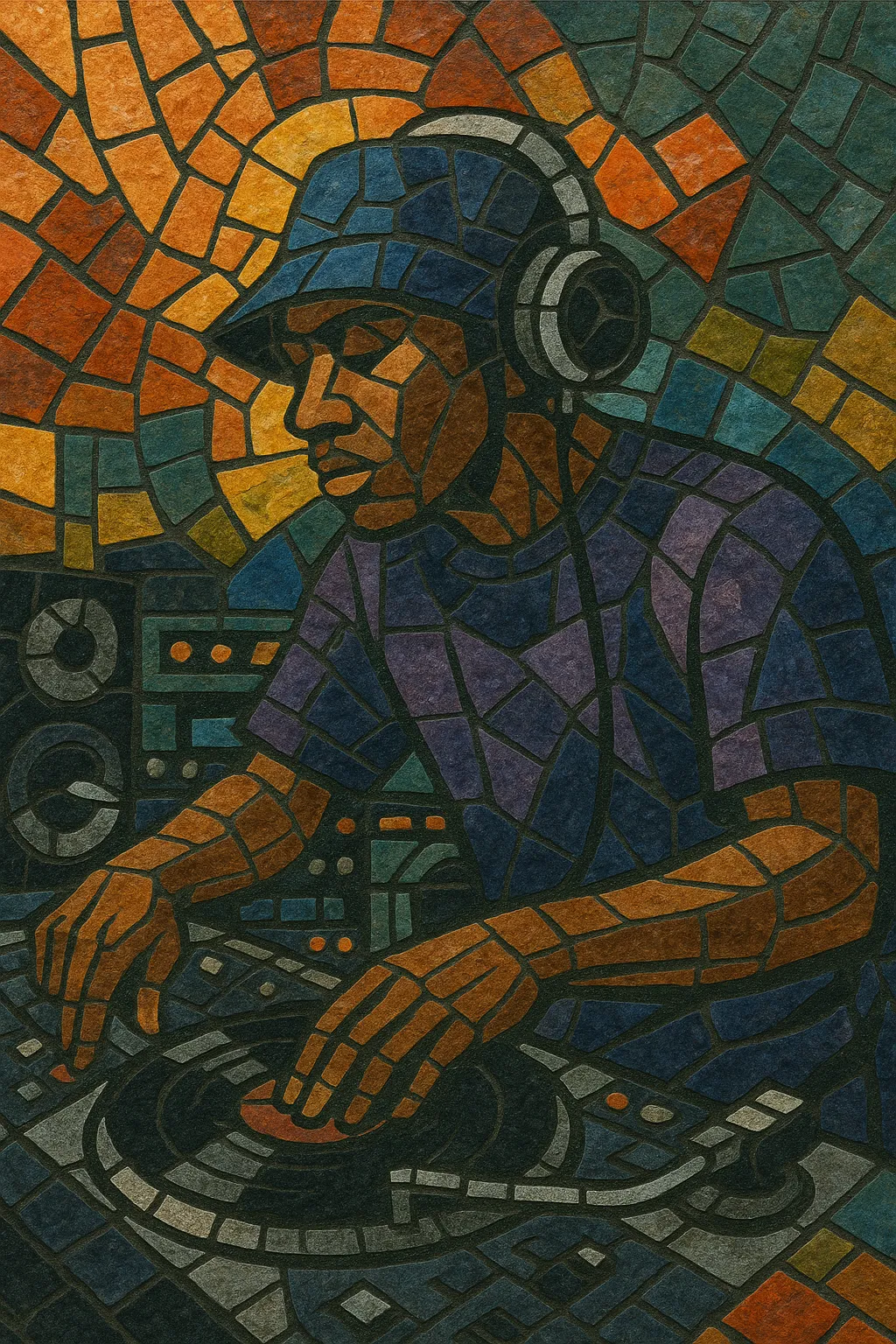
By 1999–2000, 2-step broke into the mainstream. Club smashes and pop-chart hits from Artful Dodger, MJ Cole, DJ Luck & MC Neat, Shanks & Bigfoot, and So Solid Crew brought the sound nationwide. The era crystallized 2-step’s signature mix: plush R&B harmony, sub-heavy bass, and “skippy” drums, often paired with MCs or soulful vocalists. The Dreem Teem and DJ EZ helped standardize DJ culture and radio presence around UK garage/2-step.
As tastes shifted, darker and more minimal strands formed. Producers reduced shuffle, emphasized half-time sub-bass pressure, or leaned into breakbeat weight, seeding breakstep and laying foundations for dubstep. Simultaneously, MC-led beats pushed toward grime. While 2-step’s chart presence cooled, its rhythmic DNA persisted in underground scenes.
2-step directly informed dubstep, grime, UK funky, bassline, and later future garage and post-dubstep. Periodic UKG/2-step revivals have returned its swing and vocal warmth to clubs, and contemporary producers continue to mine its shuffle, chopped vocals, and bass sensibility for new hybrids.