Your digging level
Description
Post-dubstep is a loosely defined wave of UK-born electronic music that grew out of dubstep but moved away from its rigid 140 BPM wobble-bass formula. It keeps the bass-weight, sound-system focus, and rhythmic syncopation of dubstep and UK garage, but folds in house and techno tempos, R&B vocal chops, ambient space, and experimental production.
Typical tracks explore 120–135 BPM (not fixed at 140), use broken 2‑step/garage swing instead of 4/4, and favor detailed sound design over maximal drops. You’ll often hear hushed, intimate vocals (sampled or original), neo-soul/jazz-influenced chords, and micro-edited percussion with lots of negative space. The mood is frequently introspective, melancholic, and textural—more headphone-oriented than festival-leaning—yet still rooted in club culture.


History
Post-dubstep crystallized in the UK as dubstep reached a creative peak and began to splinter. Producers close to London’s garage and dubstep scenes—taking cues from Burial’s ghostly 2‑step mutations and the experimental edges of Hyperdub, Hessle Audio, and Hotflush—started loosening the 140 BPM template. Joy Orbison’s “Hyph Mngo” (2009) became a touchstone for blending house/techno momentum with dubstep’s bass weight and garage’s swing.
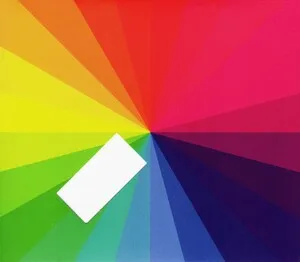
Around 2010–2011, Mount Kimbie (Crooks & Lovers), James Blake (CMYK, James Blake), Darkstar (North), Scuba (Triangulation), SBTRKT, and Jamie xx brought sparse drums, intimate vocals, and ambient detail into club-adjacent contexts. R&S, Young (Young Turks), Hyperdub, Hemlock, and Hessle Audio released pivotal records. The sound emphasized negative space, detailed percussion, and R&B/neo-soul harmony—less about big “wobbles,” more about mood and micro-groove.
As the term “post-dubstep” spread, it blurred with the umbrella of “UK bass.” Artists crossed into indie circuits, pop charts, and R&B collaborations, influencing alternative/indie R&B, chill-leaning bass styles, and the later ‘wave’ community. While the label became less necessary over time, its aesthetics—garage swing at house tempos, sub-led minimalism, emotive vocals, and high-detail sound design—continue to shape leftfield club music and singer-producer hybrids.