Your digging level

For this genre
0/8
🏆
Sign in, then listen to this genre to level up

Description

Autonomic is a late‑2000s strand of drum and bass built around sparse, machine‑like rhythms at 170 BPM that feel cool, glassy, and restrained rather than maximalist.

Emerging from the UK, it pares back breakbeats and bass pressure to highlight negative space, sleek sound design, and emotive pads—often borrowing the cold, minimal sensibilities of mid‑2000s UK dubstep, ambient, techno, and IDM.

The result is a cinematic, nocturnal mood: dance‑floor compatible in pulse, but introspective in tone, prioritizing atmosphere, texture, and futurist melancholy over aggression.


Sources: Spotify, Wikipedia, Discogs, Rate Your Music, MusicBrainz, and other online sources

History

Origins (late 2000s)

Autonomic crystallized in the United Kingdom in the late 2000s as key drum and bass figures—most visibly dBridge (Exit Records) and Instra:mental—began exploring a cooler, more minimal 170 BPM template. Their “Autonomic” podcasts and club nights gave the sound a banner and community, curating tracks that traded bombast for precision, negative space, and synth‑led mood.

Aesthetic and community

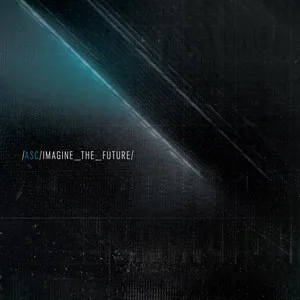
Producers integrated the chilly, skeletal motifs of mid‑2000s UK dubstep with ambient and IDM sensibilities, reframing drum and bass as a hi‑tech, cinematic environment. Labels such as Exit Records and related imprints became hubs, while artists like ASC, Consequence, and Bop expanded the palette with glacial pads, restrained sub‑bass, and restrained percussion programming.

Consolidation and influence (2010s →)

By the early 2010s the sound was codified across mixes, EPs, and albums; its DNA spread into halftime drum and bass and the microfunk scene, and it informed later 170/85 BPM hybrids that blurred lines with UK bass and experimental electronica. While always niche, Autonomic’s design‑first approach reshaped how producers think about space, harmony, and mood at 170 BPM.

How to make a track in this genre

Tempo, rhythm, and groove
•   Work at 170 BPM (or halftime at 85), using mechanical, “autonomic” pulses rather than frenetic break edits. •   Emphasize negative space: sparse kick/snare frameworks, light ghost notes, and subtle shuffles. Let the groove breathe.
Sound design and harmony
•   Prioritize cold, minimal timbres: clean subs, glassy pads, and percussive synth clicks. Layer gentle noise beds or field textures for atmosphere. •   Use restrained, modal or minor‑key harmony (dorian, aeolian) with sustained chords and slow filter movement; avoid busy arpeggios.
Bass and mix architecture
•   Keep sub‑bass sine/tri fundamentals tight and centered; automate amplitude and filtering for motion rather than using heavy LFO wobble. •   Mix with wide stereo pads and narrow, precise drums. Carve space with surgical EQ and short, high‑quality reverbs.
Arrangement and emotion
•   Build tension through incremental additions (a hi‑hat texture, a pad inversion, a distant FX swell) rather than big drops. •   Aim for introspective, nocturnal moods; if using vocals, keep them fragmented or whispered—processed as texture more than lead.
Tools and references
•   Drum sources: clean 808/909 hits, lightly processed breaks (very trimmed), foley ticks. •   Effects: subtle chorus, short room verbs, tape/bit reduction at low mix; careful side‑chain to preserve headroom.

Main artists

Top tracks

Locked
Share your favorite track to unlock other users’ top tracks
Influenced by
Has influenced
Challenges
Digger Battle
Let's see who can find the best track in this genre
© 2026 Melodigging
Melodding was created as a tribute to Every Noise at Once, which inspired us to help curious minds keep digging into music's ever-evolving genres.
Buy me a coffee for Melodigging