Your digging level
Description
Weirdcore is an internet-native microgenre and aesthetic of experimental electronic music that leans into liminal nostalgia, eerie memory, and uncanny ambience. Its sound palette often combines misty pads, degraded samples, tape hiss, and bitcrushed percussion with disembodied voices, classroom and mall PA announcements, retro operating system chimes, and field recordings of empty or transitional spaces.
Harmonically, weirdcore favors drones, slowly shifting modal clusters, and ambiguous, memory-warping intervals that feel familiar yet distorted. Rhythm ranges from beatless, foggy soundscapes to brittle, broken 2-step and slow, stumbling downtempo pulses. Heavy time-stretching, granular manipulation, wow-and-flutter, convolution reverbs, and spectral or cassette-style degradation are central to its texture.
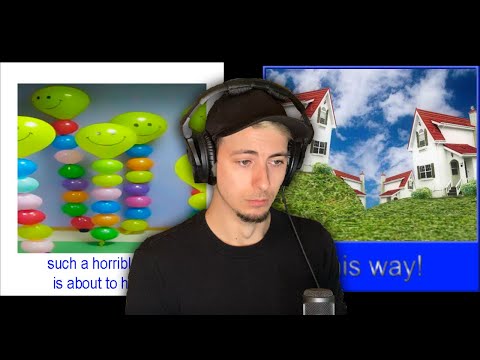
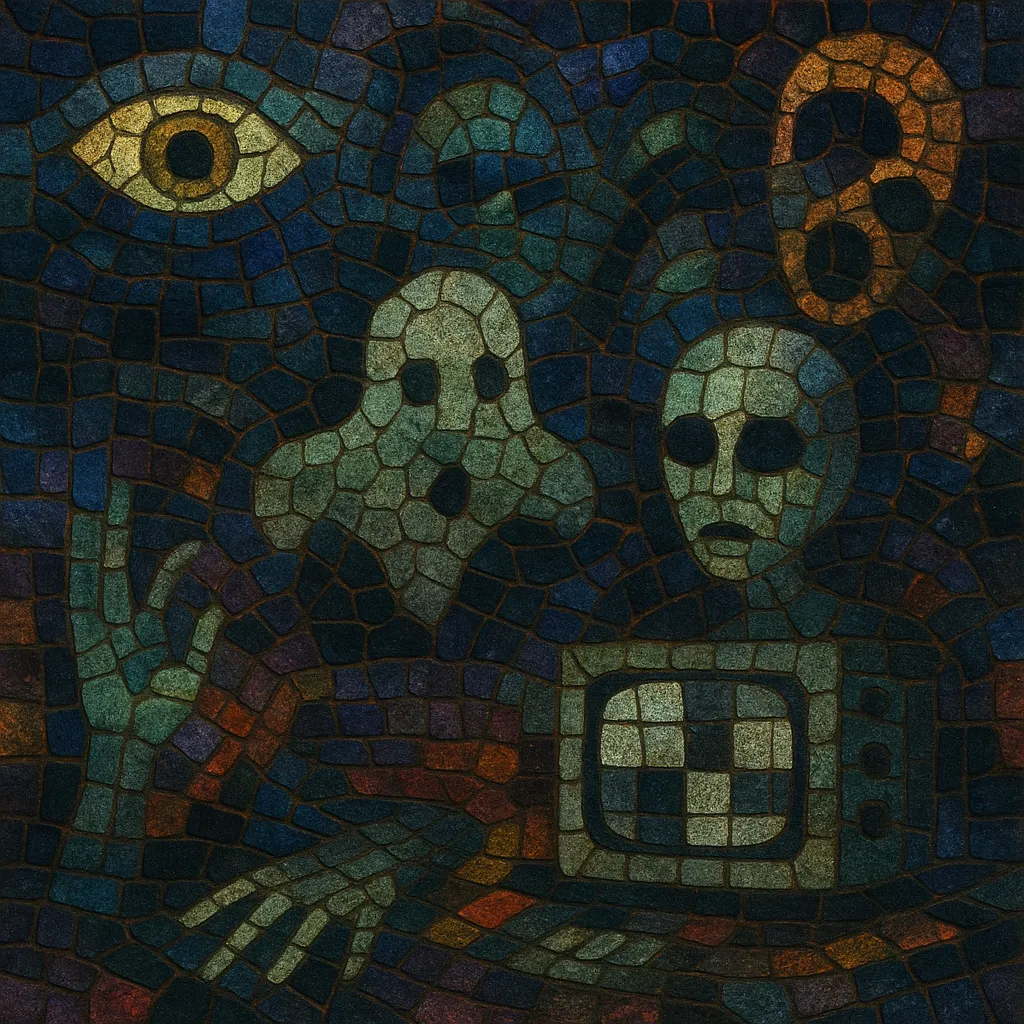
Although closely tied to a visual aesthetic (liminal spaces, late-night analog glow, low-resolution signage), weirdcore as a musical style is defined by its uncanny collage sensibility: sampling and warping everyday audio detritus until it becomes emotionally charged, melancholic, and faintly unsettling.


History
Weirdcore emerged organically on the internet as experimental producers and editors began pairing degraded, uncanny audio with liminal and nostalgic imagery. Early roots trace to UK hauntology, cassette-culture ambient, illbient, and IDM, while vaporwave and hypnagogic pop normalized retro-sample collage and memory-haunted textures. Anonymous SoundCloud and YouTube uploads, netlabels, and forum communities incubated the sound.
Throughout the 2010s, weirdcore aesthetics solidified: bitcrushed alarms, school intercoms, appliance hum, Windows-era UI sounds, and VHS-era room tone were stretched and ghosted into drones, brittle half-steps, and slow-motion loops. Producers borrowed archival and commercial ephemera (PSAs, instructional tapes, public-domain films) and subjected them to granular and tape-processing, achieving a feeling of distant familiarity and quiet dread.
In the early 2020s, weirdcore spread beyond niche circles through TikTok, YouTube edits, and "analog horror" and "liminal space" videos (e.g., backrooms-inspired content). The style’s affect—melancholic, uncanny, nostalgic—made it a go-to soundtrack for image-montage microgenres (like corecore) and collage-heavy scene edits. Community-made sample packs, DAW templates, and tape/emulation plugins helped standardize production approaches while keeping the genre’s DIY ethos.
Weirdcore remains a decentralized, community-driven practice rather than a tightly codified genre. Its DNA blends hauntological sensibility (memory, media ghosts), vapor-derived retro collage, IDM’s textural detail, and illbient’s nocturnal urbanity. The scene thrives on open-source tools, low-stakes sharing, and reinterpretation of everyday sonic debris into intimate, unsettling miniatures.
Start with ordinary or retro sonic artifacts: classroom bells, PA announcements, dial tones, appliance hum, mall ambience, VHS camcorder room tone, OS chimes, public-domain film dialog, or field recordings of hallways and parking structures. Layer soft, detuned pads or organ-like sustains beneath to create a bed of haze.
Favor drones, modal clusters (Dorian, Aeolian, or ambiguous quartal/quintal stacks), and lightly detuned intervals to evoke unstable memory. Short melodic fragments can be pitched a few cents flat or sharp and smeared with wow-and-flutter; consider fragments that feel like half-remembered jingles or nursery tunes stretched past recognition.
Many pieces are beatless or use fragile pulses: 60–90 BPM downtempo, broken 2-step ghosts, or shuffled, minimal kick patterns with long silences. Let form be collage-like: introduce textures as scenes rather than "verses/choruses," using crossfades, tape stops, and sudden perspective shifts to imply spatial movement through liminal places.
Apply heavy time-stretching, granular resynthesis, convolution reverb (rooms, stairwells, churches), cassette or VHS emulation (wow, flutter, dropouts), spectral blurring, and bit-depth reduction. Sidechain gently to a slow, soft kick to simulate breathing walls; automate filters to mimic memory fading in and out.
Use public-domain or licensed materials when possible. Arrange layers so diegetic sounds (footsteps, flickering lights, signage beeps) read as foreground “actors,” while pads and tape hiss act as the emotional backdrop. Leave space—air and silence are part of the composition.
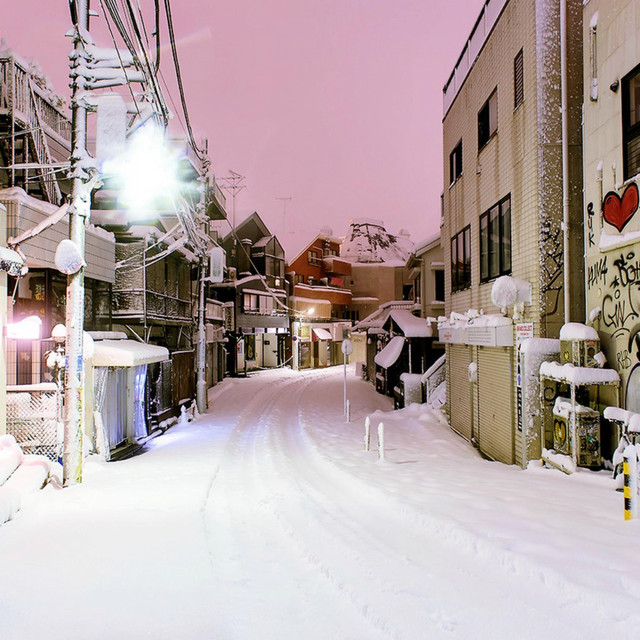
While not required, pairing releases with liminal images (empty corridors, dusk-lit parking lots, 90s signage) strengthens the affective intent and situates the track firmly within weirdcore’s cross-media language.