Your digging level
Description
Dream pop is a subgenre of alternative and indie rock that emphasizes atmosphere, texture, and mood over traditional rock dynamics.
It is characterized by shimmering, reverb-laden guitars, soft and often breathy vocals, steady but subdued rhythms, and lush harmonic beds created with chorus, delay, and ambient-style processing.
Rather than building around riffs or virtuosity, dream pop prioritizes hypnotic repetition, impressionistic lyrics, and a sense of weightless drift, frequently drawing on neo-psychedelia and ambient aesthetics.
Its canonical sound coalesced in the mid-1980s (especially around the 4AD label), and later intersected with and helped seed shoegaze and many subsequent bedroom- and internet-era pop styles.


History
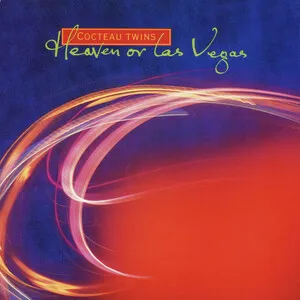
Dream pop emerged in the mid-1980s United Kingdom, coalescing around labels like 4AD and artists who pushed post‑punk and new wave toward more atmospheric, textural ends. Cocteau Twins, A.R. Kane, and This Mortal Coil distilled influences from ambient, neo‑psychedelia, and jangle pop into gauzy guitar layers, ethereal vocals, and minimalist rhythmic pulses. The style’s emphasis on mood, reverb space, and harmonic shimmer distinguished it from more angular post‑punk contemporaries.
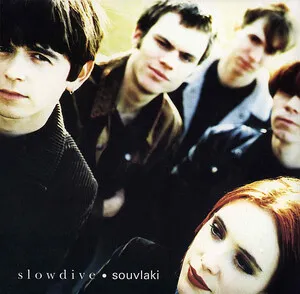
In the early 1990s, dream pop’s aesthetics overlapped with shoegaze, as bands like Slowdive and Lush balanced haze and melody with denser volumes and effects. Parallel American currents—Galaxie 500 and later Mazzy Star—brought a hushed, melancholy, and often roots‑tinged intimacy to the sound. While shoegaze tended toward louder, more distorted walls of sound, dream pop remained defined by serenity, clarity of melodic line, and a luminous sense of space.
A revival arrived with acts such as Beach House, who codified a warm, organ‑ and guitar‑led palette; the style also informed trip hop’s dusky atmospheres and later internet‑born movements like chillwave and hypnagogic pop. The 2010s saw widespread adoption of dreamlike production across indie and pop, with bedroom producers adopting economical setups to craft expansive, reverb‑rich textures.
Dream pop’s tools—soft transients, shimmer reverbs, chorus/delay chains, and breathy vocal delivery—have become common in global indie scenes. The genre continues to cross‑pollinate with electronic pop, ambient pop, and downtempo production, while its minimalist rhythms and impressionistic lyricism remain touchstones.
Aim for an atmosphere-first approach: create a floating, luminous soundfield where melody and texture feel inseparable. Keep dynamics gentle and transitions fluid, prioritizing mood over spectacle.



Top albums