Genres
Make Music
Artists
Challenges
Sign in
Sign in
Record label
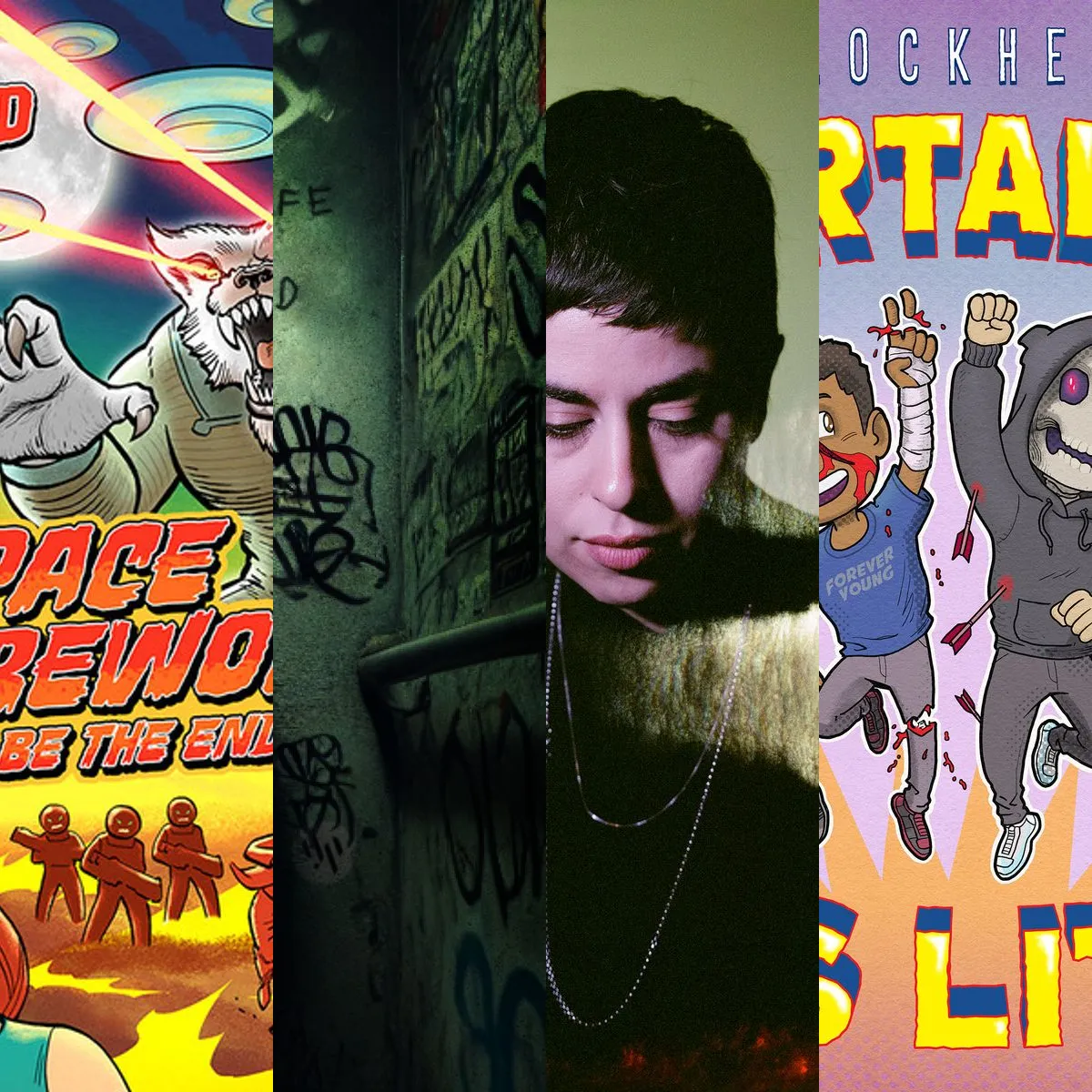
Future Archive Recordings
Related genres
Ambient
Ambient is a form of electronic and electroacoustic music that prioritizes tone, atmosphere, and texture over conventional song structures and rhythmic drive. It typically features slow-moving harmonies, sustained drones, gentle timbral shifts, and extensive use of space and silence. Rather than drawing attention to itself through hooks or beats, ambient is designed to be as ignorable as it is interesting, rewarding both background listening and focused immersion. Artists often employ synthesizers, samplers, tape loops, field recordings, and subtle acoustic instruments, with reverb and delay creating a sense of place. Substyles range from luminous, consonant soundscapes to darker, more dissonant atmospheres.
Discover
Listen
Chillout
Chillout is a broad, downtempo-oriented style of electronic music designed for relaxation, decompression, and after-hours listening. It emphasizes spacious atmospheres, gentle grooves, and warm timbres over intensity or virtuosity. Emerging from the “chill-out rooms” of UK and Ibiza clubs, the sound blends ambient pads, soft 4/4 or broken-beat rhythms, and melodic fragments drawn from lounge, jazz, bossa nova, and Balearic traditions. Typical tempos range from about 70–110 BPM, with extended chords, subtle basslines, and abundant reverb and delay to create a sense of depth and calm. Though often used as an umbrella for related styles (ambient, downtempo, trip hop, lounge), chillout retains a distinct focus on mood: it privileges texture, space, and gentle momentum, making it a staple for late-night sets, beach bars, and home listening alike.
Discover
Listen
Chillwave
Chillwave is a late-2000s microgenre of electronic pop characterized by hazy, retro-tinged synthesizers, lo‑fi textures, understated drum machines, and heavily processed, dreamlike vocals. Its sound evokes sun-faded nostalgia, often referencing 1980s synth-pop and soft rock atmospheres filtered through cassette hiss, chorus, and reverb. Built by bedroom producers during the blog era, chillwave prizes mood over virtuosity: gentle major-seventh harmonies, loop-friendly motifs, and sidechain‑pumped pads create a warm, gauzy drift. Visual and conceptual aesthetics—VHS artifacts, pastel palettes, palm trees, and memories of an endless summer—are integral to its identity.
Discover
Listen
Dark Wave
Dark wave is a moody, melancholic offshoot of post-punk and new wave that emphasizes minor-key harmonies, somber timbres, and introspective or romantic lyrical themes. It blends the icy textures of early synthesizers and drum machines with reverb-laden guitars and melodic, driving basslines. The style typically features baritone or ethereal vocals, atmospheric production with heavy use of chorus, delay, and reverb, and tempos that range from slow and brooding to mid-tempo and danceable. Dark wave spans both guitar-oriented and synth-forward approaches, and often overlaps with related movements such as coldwave, minimal wave, and ethereal wave.
Discover
Listen
Downtempo
Downtempo is a mellow, groove-oriented branch of electronic music characterized by slower tempos, plush textures, and a focus on atmosphere over dancefloor intensity. Typical tempos range from about 60–110 BPM, with swung or laid-back rhythms, dub-informed basslines, and warm, jazz-tinged harmonies. Stylistically, it blends the spaciousness of ambient, the head-nodding rhythms of hip hop and breakbeat, and the cosmopolitan smoothness of lounge and acid jazz. Producers often use sampled drums, Rhodes or Wurlitzer electric pianos, guitar licks with delay, and field recordings to create intimate, cinematic soundscapes. The mood spans from soulful and romantic to introspective and dusk-lit, making it a staple of after-hours listening, cafes, and relaxed club back rooms.
Discover
Listen
Dream Pop
Dream pop is a subgenre of alternative and indie rock that emphasizes atmosphere, texture, and mood over traditional rock dynamics. It is characterized by shimmering, reverb-laden guitars, soft and often breathy vocals, steady but subdued rhythms, and lush harmonic beds created with chorus, delay, and ambient-style processing. Rather than building around riffs or virtuosity, dream pop prioritizes hypnotic repetition, impressionistic lyrics, and a sense of weightless drift, frequently drawing on neo-psychedelia and ambient aesthetics. Its canonical sound coalesced in the mid-1980s (especially around the 4AD label), and later intersected with and helped seed shoegaze and many subsequent bedroom- and internet-era pop styles.
Discover
Listen
Electronic
Electronic is a broad umbrella genre defined by the primary use of electronically generated or electronically processed sound. It encompasses music made with synthesizers, drum machines, samplers, computers, and studio/tape techniques, as well as electroacoustic manipulation of recorded or synthetic sources. The genre ranges from academic and experimental traditions to popular and dance-oriented forms. While its sonic palette is rooted in electricity and circuitry, its aesthetics span minimal and textural explorations, structured song forms, and beat-driven club permutations. Electronic emphasizes sound design, timbre, and studio-as-instrument practices as much as melody and harmony.
Discover
Listen
Electronica
Electronica is a broad, largely 1990s umbrella term for a spectrum of electronic music crafted as much for immersive, album‑oriented listening as for clubs and raves. It gathers elements from techno, house, ambient, breakbeat, IDM, and hip hop production, emphasizing synthesizers, drum machines, samplers, and studio experimentation. The sound can range from downtempo and atmospheric to hard‑hitting and breakbeat‑driven, but it typically foregrounds sound design, texture, and mood over strict dance‑floor utility. In the mid‑to‑late 1990s the term was used by labels and press—especially in the United States—to market and introduce diverse electronic acts to mainstream rock and pop audiences.
Discover
Listen
Experimental
Experimental music is an umbrella term for practices that prioritize exploration, process, and discovery over adherence to established genre norms. It embraces new sound sources, nonstandard tuning systems, indeterminacy and chance operations, graphic and open-form scores, extended techniques, and technology-led sound design (tape, electronics, computers, and live processing). Rather than a single style, it is a methodology and ethos: testing hypotheses about sound, structure, and performance, often blurring boundaries between composition, improvisation, sound art, and performance art. Listeners can expect unfamiliar timbres, unusual forms, and an emphasis on how music is made as much as the resulting sound.
Discover
Listen
Experimental Electronic
Experimental electronic is an umbrella term for electronic music that foregrounds exploration and innovation over convention. It treats the studio, computer, and synthesizer as laboratories, using techniques such as tape manipulation, modular and software synthesis, feedback systems, granular and spectral processing, algorithmic/generative composition, circuit-bending, and field recording. Rather than regular song forms or dancefloor functionality, it prioritizes timbre, texture, space, and process. Structures may be nonlinear or open-form; harmony is often non-functional or drone-based; rhythm can be free, irregular, or machine-deconstructed. The style overlaps with electroacoustic music, sound art, industrial, ambient, and noise while continually interfacing with club culture and contemporary art contexts.
Discover
Listen
Future Bass
Future bass is a melodic, drop-focused style of electronic dance music built around lush, detuned saw-tooth chords, dramatic swells, and emotive, pop- and R&B-leaning progressions. It typically runs at 70–90 BPM (or 140–180 BPM in double-time), uses trap-inspired drums (808 kicks, crisp snares on the third beat, syncopated hi-hats), and features heavy sidechain compression for a breathing, "pumping" feel. Producers often layer shimmering supersaws, pitch-automated leads, and chopped/pitched vocal snippets to create euphoric, weightless drops that contrast with airy verses and cinematic builds. A hallmark is its glossy, future-leaning sound design—gliding chords, LFO modulation, wide stereo images—paired with catchy, sentimental melodies that make it equally club-ready and radio-friendly.
Discover
Listen
Glitch Hop
Glitch hop blends the rhythmic foundations of hip hop with the sound-design ethos of glitch and IDM. It is characterized by half-time, head-nodding grooves, intricately edited drums, and meticulous digital processing such as stutter edits, bit-crushing, time-stretch artifacts, and granular slicing. Typically sitting around 80–110 BPM (often felt in half-time), the style emphasizes heavy, syncopated bass lines, swung percussion, and detailed micro-edits that create a "broken yet groovy" feel. While largely instrumental, it often incorporates vocal chops, turntable scratches, and foley textures to add human feel and narrative color.
Discover
Listen
Hip Hop
Hip hop is a cultural and musical movement that emerged from Black, Latino, and Caribbean communities, centering around rapping (MCing), DJing/turntablism, sampling-based production, and rhythmic speech over beats. It prioritizes groove, wordplay, and storytelling, often reflecting the social realities of urban life. Musically, hip hop is built on drum-centric rhythms (from breakbeats to 808 patterns), looped samples, and bass-forward mixes. Lyrically, it ranges from party anthems and braggadocio to political commentary and intricate poetic forms, with flow, cadence, and rhyme density as core expressive tools. Beyond music, hip hop encompasses a broader culture, historically intertwined with graffiti, b-boying/b-girling (breakdance), fashion, and street entrepreneurship, making it both an art form and a global social language.
Discover
Listen
Idm
IDM (often expanded as "Intelligent Dance Music") is a strand of experimental electronic music that applies the sound palette and production methods of club genres to listening-focused, often home-oriented works. It favors intricate rhythm programming, unusual time signatures, and richly textured sound design, blending ambient atmospheres with techno’s pulse, electro’s syncopation, and breakbeat’s fragmentation. The music often de-emphasizes the dancefloor in favor of headphone detail, algorithmic structure, and timbral exploration. The term itself is contentious—many artists rejected the "intelligent" label—yet it became a convenient tag for the early- to mid‑1990s cluster of Warp, Rephlex, and related scenes that foregrounded complexity, abstraction, and emotional ambiguity.
Discover
Listen
Instrumental
Instrumental is music created and performed without sung lyrics, placing the expressive weight on melody, rhythm, harmony, and timbre produced by instruments. As an umbrella practice it appears in many cultures, but its modern identity cohered in Baroque-era Europe when purely instrumental forms such as the sonata, concerto, and dance suites began to flourish. Since then, instrumental thinking—developing motives, structuring form without text, and showcasing timbral contrast—has informed everything from orchestral music and solo piano repertoire to post-rock, film scores, and beat-driven electronic styles. Instrumental works can be intimate (solo or chamber) or expansive (full orchestra), narrative (programmatic) or abstract (absolute music). The absence of lyrics invites listeners to project imagery and emotion, making the style a natural fit for cinema, games, and contemplative listening.
Discover
Listen
Instrumental Hip Hop
Instrumental hip hop is a producer-driven form of hip hop that foregrounds beats, textures, and sampling rather than rapping. It typically centers on loop-based drum patterns, chopped samples from soul, jazz, funk, and library records, and a head‑nodding groove designed for deep listening as much as for DJs and MCs. The style emphasizes rhythm, timbre, and mood—swinging drums, dusty vinyl crackle, and melodic fragments treated as musical motifs. While rooted in classic boom bap aesthetics, instrumental hip hop ranges from minimal and meditative to densely collaged and psychedelic, reflecting both crate-digging traditions and studio experimentation.
Discover
Listen
Psychedelic
Psychedelic is an umbrella term for music that seeks to evoke, emulate, or accompany altered states of consciousness through sound, arrangement, and studio technique. It emphasizes timbral color, drones, modal harmony, surreal or mystical lyrics, and immersive production, often using tape manipulation, extended effects, and non‑Western instruments (notably from Indian classical traditions). The result ranges from delicate, dreamlike textures to dense, kaleidoscopic soundscapes intended to expand perception and dissolve conventional song form.
Discover
Listen
R&b
R&B (Rhythm and Blues) is a vocal- and groove-centered popular music tradition that blends blues tonality, jazz harmony, and gospel-inflected singing with a steady backbeat. It emphasizes expressive lead vocals, call-and-response, lush harmonies, and danceable rhythms. From its 1940s roots in African American communities to its later evolutions, R&B has continually absorbed and reshaped surrounding sounds—from jump blues and swing in the early days to soul, funk, hip hop, and electronic production in the contemporary era. Today, R&B ranges from intimate, slow-burning ballads to club-ready tracks, all tied together by a focus on feel, melody, and vocal performance.
Discover
Listen
Shoegaze
Shoegaze is a subgenre of alternative rock characterized by dense, immersive walls of guitar sound, heavily layered effects, and vocals that blend into the mix as another texture rather than a focal point. Typically mid-tempo and enveloping, it emphasizes timbre, atmosphere, and harmonic color over riff-driven hooks. Reverb, delay, chorus, tremolo, fuzz, and pitch-bending create a blurred, dreamlike quality—often described as a "wash"—while bass and drums provide a steady, understated foundation. The style emerged in the United Kingdom in the late 1980s; the term "shoegaze" was coined by the British press, referencing performers’ tendency to look down at their pedalboards during live shows.
Discover
Listen
Soul
Soul is a genre of popular music that blends the spiritual fervor and vocal techniques of African‑American gospel with the grooves and song forms of rhythm & blues and the harmonic palette of jazz and blues. It is defined by impassioned, melismatic lead vocals; call‑and‑response with backing singers; handclaps and a strong backbeat; syncopated bass lines; and memorable horn or string riffs. Typical instrumentation includes drum kit, electric bass, electric guitar, piano or Hammond organ, horns (trumpet, saxophone, trombone), and sometimes orchestral strings. Lyrically, soul ranges from love and heartbreak to pride, social commentary, and spiritual yearning. Regionally distinct scenes—such as Detroit’s Motown, Memphis/Stax, Muscle Shoals, Chicago, New Orleans, and Philadelphia—shaped different flavors of soul, while the style’s emotional directness and rhythmic drive made it a cornerstone of later funk, disco, contemporary R&B, and hip hop.
Discover
Listen
Synthwave
Synthwave is a retro-futurist electronic genre that revives and reimagines the sound, texture, and visual culture of 1980s film scores, television themes, arcade games, and synth-pop. Characterized by analog-style synthesizers, arpeggiated basslines, neon-soaked melodies, and gated-reverb drums, it blends nostalgia with cinematic drama. Substyles include the uplifting, driving "outrun" sound, the softer and romantic "dreamwave/chillsynth," and the heavier, horror-tinged "darksynth." Typical sound palettes reference instruments like the Roland Juno series, Yamaha DX7, Oberheim and Prophet polysynths, with drum machines such as the LinnDrum, TR-707, and 909 (or their modern emulations).
Discover
Listen
Trip Hop
Trip hop is a downtempo, atmospheric fusion of hip hop rhythm and sampling techniques with the textures of dub, soul, jazz, and ambient music. Emerging from the Bristol scene in the early 1990s, it favors slow, head‑nodding breakbeats, deep bass, and cinematic sound design. The style is characterized by moody harmonies (often in minor keys), woozy tape- and vinyl-derived timbres, and liberal use of delay and reverb. Vocals frequently alternate between intimate, breathy singing and spoken word/rap, and lyrical themes tend toward noir, introspective, and melancholic subjects. Strings, Rhodes pianos, turntable scratches, and field recordings are common, creating a shadowy, filmic vibe.
Discover
Listen
Wonky
Wonky is a lopsided, synth-forward strain of experimental hip hop and UK bass that emerged in the late 2000s. It is defined by off-grid, swaggering drum programming, rubbery sub-bass, and brightly detuned, pitch-bent lead synths that feel as if they wobble in and out of time. Producers often work around 70–80 BPM (or 140–160 BPM in half-time), using heavy swing, microtiming, and syncopation to create a drunken, stumbling groove. Sonically, it blends the head-nod of instrumental hip hop with the sound design sensibilities of IDM, the sub-weight of dubstep, and the neon melodicism associated with Bristol’s "purple" sound. The result is music that is both club-ready and headphone-detailed: playful yet moody, maximal in color but minimal in arrangement, and distinctly characterized by elastic rhythms and glossy, detuned synth textures.
Discover
Listen
Indie
Indie (short for “independent”) began as music made and released outside the major-label system, where a DIY ethos shaped everything from songwriting and recording to artwork and touring. As a sound, indie is eclectic but often features jangly or overdriven guitars, intimate or understated vocals, melodic basslines, and unvarnished production that foregrounds authenticity over gloss. It spans rock, pop, and folk while welcoming electronic textures and lo‑fi aesthetics. Lyrics typically focus on personal observation, small details, and wry self-awareness rather than overt virtuosity or spectacle. Beyond style, indie describes a culture: small labels and stores, college/alternative radio, fanzines/blogs, community venues, and scenes that value experimentation, individuality, and artistic control.
Discover
Listen
Breaks
Breaks is a broad electronic dance music style built around syncopated breakbeat drum patterns instead of a straight four-on-the-floor kick. It emphasizes sliced, rearranged, and layered drum breaks—often sampled from classic funk, hip hop, and early electro—combined with heavy sub-bass and club-ready arrangements. As a scene and label category, “breaks” crystallized in the UK in the late 1990s out of the rave continuum, alongside big beat and later “nu skool breaks.” While tempos usually range from roughly 125–140 BPM, the defining trait is the swung, shuffling, and fragmented rhythm that drives dancers with push–pull groove rather than rigid grid-based kicks. Breaks spans a spectrum from funky, party-oriented tracks to darker, techy, bass-heavy material (often called tech breaks). Across its variants, it remains DJ-friendly, sample-savvy, and grounded in the art of drum manipulation.
Discover
Listen
Albums
Space Werewolves Will Be the End of Us All
Blockhead
It’s Only A Midlife Crisis If Your Life Is Mid
Blockhead
Verse/Versus
Kmeto, Natasha
Mortality Is Lit!
Blockhead
Night Fog
Ghost Creek
Sloh Remixes
il:lo
Sunset in the Deep End
Yppah
DELIRIA
ERA C
Welcome Mat / The End Is Nigh
Blockhead, Poldoore
HIVE MIND
CNJR
Show more
Artists
Various Artists
Blockhead
Kmeto, Natasha
Ghost Creek
il:lo
Yppah
ERA C
Poldoore
CNJR
Arms and Sleepers
Menert, Michal
Rome in Reverse
Lusine
Little People
Sun Glitters
Download our mobile app
Get the Melodigging app and start digging for new genres on the go
Download on the App Store
Get it on Google Play
© 2026 Melodigging
Give feedback
Legal
Melodding was created as a tribute to
Every Noise at Once
, which inspired us to help curious minds keep digging into music's ever-evolving genres.