Your digging level
Description
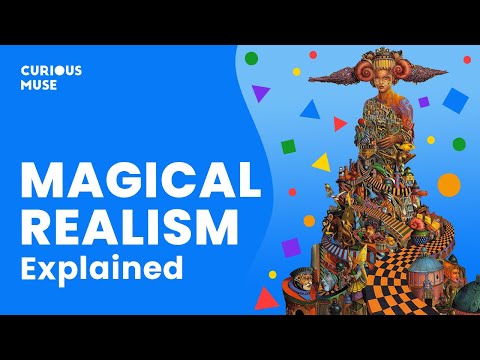
Magical realism (in music) is an aesthetic where everyday, grounded songwriting is interwoven with subtly wondrous or uncanny sonic details. The fantastical is presented as ordinary: field‑recorded sounds feel like characters, folklore instruments sit next to synths, and surreal lyrics are narrated in a matter‑of‑fact voice.
Rather than aiming for pure fantasy or psychedelia, the style keeps one foot in reality—acoustic timbres, intimate vocals, and story‑like verses—while the other foot introduces inexplicable textures, mythic motifs, or dream logic. The effect mirrors literary magical realism: magical elements are blended seamlessly with a realistic atmosphere to reveal a deeper sense of reality, culture, memory, and place.


History
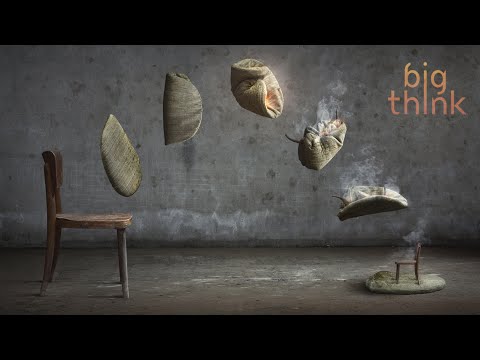
Magical realism first emerged in literature—especially in Latin America—as a way to braid the marvelous with the mundane. As these books spread globally, musicians began absorbing the same stance: write about real places, people, and histories, but let inexplicable images and sounds arrive without fanfare. By the 1990s, the approach had become audible in Latin alternative and art‑pop scenes that treated folk memory, urban noise, and mythic imagery as a single, continuous world.
Bands in Mexico, Colombia, Argentina, Brazil, and Chile folded folk instruments and indigenous/colonial rhythms into modern rock, pop, and electronic production. Lyrically they narrated street life, family lore, and political memory alongside apparitions, saints, spirits, and talking rivers—described as if they were simply there. This decade set the template: intimate storytelling plus subtly surreal sonics.
As indie, art‑pop, dream pop, and folktronica blossomed, artists worldwide used small production spells—concrète rustles, glockenspiels, bowed saws, spectral backing vocals—to let the uncanny seep into otherwise realistic songcraft. Streaming tags and editorial language began labeling such records with the literary term, codifying “magical realism” as a recognizable musical aesthetic rather than a strict genre rulebook.
Magical realism remains a cross‑genre sensibility more than a rigid style. It thrives where folk storytelling, chamber‑pop arranging, ambient texture, and modest electronics meet—often in Latin American music but now everywhere songs want to make the ordinary glow with quiet wonder.
Write from real settings—domestic scenes, neighborhoods, landscapes—and let a few sonic or lyrical events feel quietly impossible (a river whispers, a saint passes on the bus). Present them plainly, without special effects fanfare.