Your digging level
Description
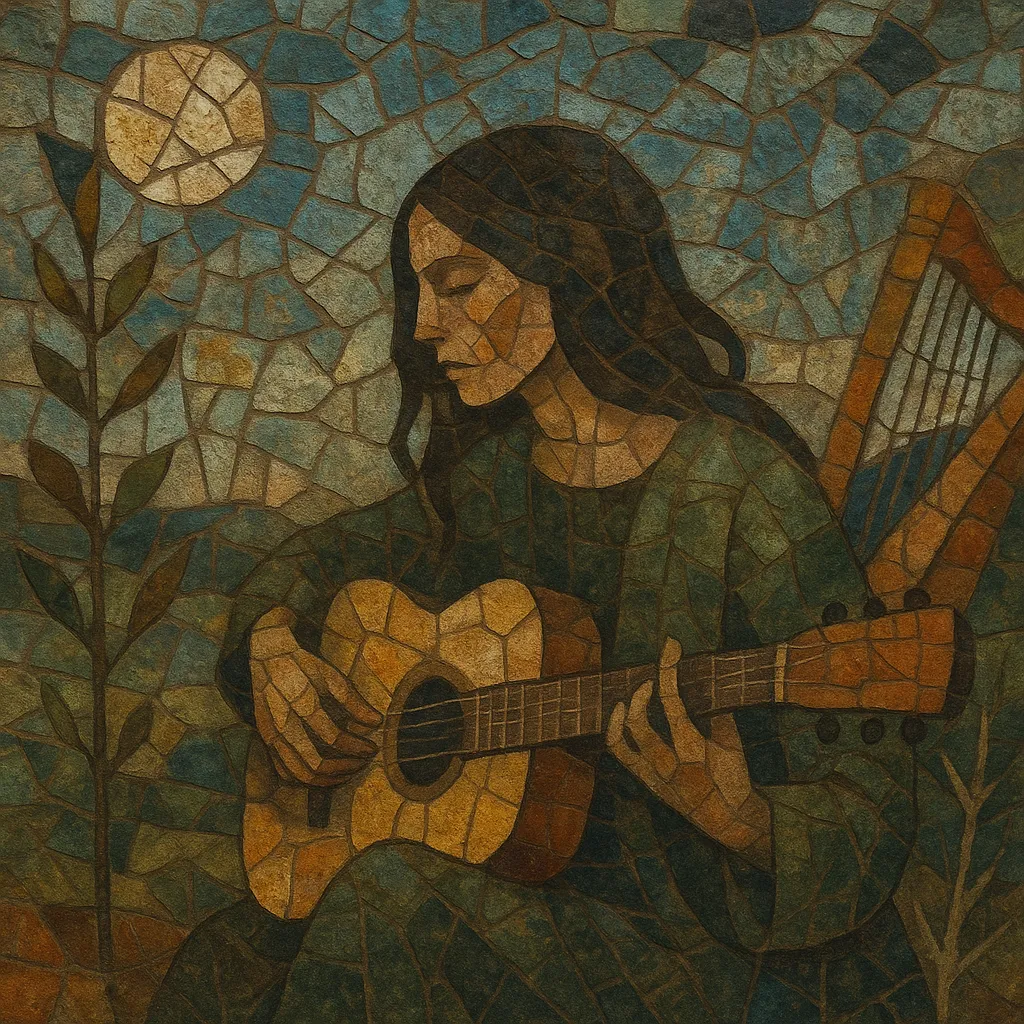
Experimental folk blends the storytelling, acoustic instrumentation, and modal harmonies of traditional folk with exploratory techniques drawn from the avant‑garde, psychedelia, and electroacoustic practice.
It privileges texture, timbre, and atmosphere as much as song form: drones, field recordings, tape hiss, non‑standard tunings, and extended techniques sit alongside fingerpicked guitars, dulcimers, harps, and hand percussion. Structures are often loose or through‑composed, rhythms may drift or fracture, and harmony can alternate between simple pentatonic/modal materials and stark dissonance.
Lyrically, the style leans toward myth, landscape, folklore, and dream logic—frequently intimate and diaristic, yet surreal. Production ranges from lo‑fi, room‑microphoned immediacy to collage‑like studio assemblage, emphasizing a sense of place and the raw grain of sound.
History
Experimental folk coalesced in the late 1960s as artists on both sides of the Atlantic pushed beyond revivalist folk and singer‑songwriter conventions. In the United States, American primitive guitar and psych‑leaning folk outsiders explored open tunings, drones, and elastic structures. In the United Kingdom, acid/psychedelic folk outfits folded medieval modalities and ritualistic percussion into songcraft. Early experimentation also borrowed from minimalism, free improvisation, and tape/splice techniques.
Across the 1970s, adventurous UK and European groups deepened the genre’s occult, pastoral, and chamber tendencies, while post‑industrial circles developed darker, more ceremonial strains. Through the 1980s and 1990s, small labels and DIY home‑recordists kept the approach alive, integrating field recordings, electroacoustic textures, and lo‑fi processes—laying groundwork for a broader resurgence.
The early 2000s brought a high‑profile revival often associated with “New Weird America” and “wyrd folk.” US and UK artists blended traditional instrumentation with harp, harmonium, thrift‑store electronics, and tape collage, embracing communal ensembles and hand‑made aesthetics. This wave widened the audience and connected experimental folk to indie circuits, ambient scenes, and art spaces.
Contemporary experimental folk ranges from intimate, ASMR‑quiet room recordings to expansive, electroacoustic works that verge on sound art. Global scenes now fold in non‑Western modalities and instruments, with cross‑pollination into ambient folk, folktronica, and avant‑folk. The core ethos remains: to let folk’s narrative heart breathe through exploratory sound, structure, and place‑based production.