Your digging level
Description
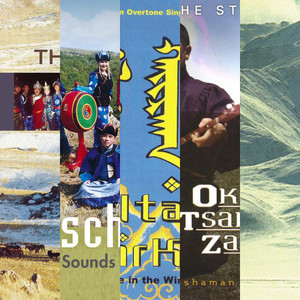
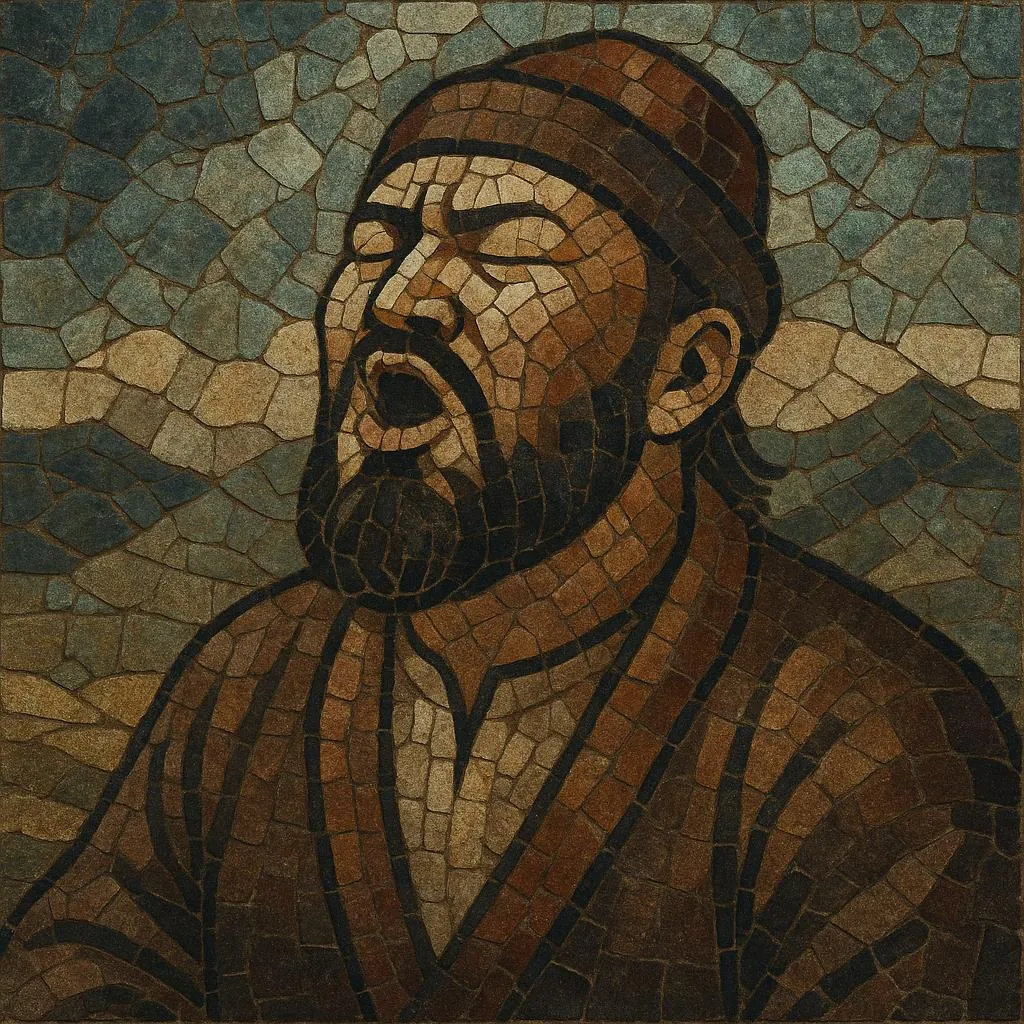
Throat singing is an umbrella term for several vocal practices found across the world in which singers deliberately excite and filter the harmonic (overtone) series above a sustained fundamental, often with a distinctly guttural or pressed tone. The result is the perception of more than one pitch at the same time: a drone-like low note plus a whistling, flute‑like harmonic melody.
While best known from Inner Asia (e.g., Tuva and Mongolia), related practices also appear among Inuit communities in the Arctic (katajjaq), the Ainu (rekuhkara), and in parts of Siberia and elsewhere. Techniques and aesthetics vary by region, but common elements include a stable drone, overtone selection using precise shaping of the vocal tract, and close ties to landscape, animal mimicry, and ritual or communal functions.
History
Throat singing likely predates written history as a specialized extension of human vocal play and ritualized sound-making. In Inner Asia, it became associated with nomadic lifeways, animist/shamanic cosmologies, and environmental acoustics (e.g., singing across steppe or mountain valleys). Medieval accounts and later ethnographic reports document its presence among Turkic and Mongolic peoples, suggesting a stable regional practice by at least the 13th century.
Early travelers, missionaries, and scholars recorded throat singing as a “curiosity,” then as a serious ethnomusicological subject. Soviet-era research captured many Inner Asian variants; later, decolonial and community-led efforts emphasized local meanings—herding, hunting, spiritual practice, and environmental attunement.
Post-1990s cultural revival and world-music circuits brought throat singing to international stages. Artists collaborated with rock, metal, ambient, and electronic musicians, while conservatories and community programs formalized pedagogy. Inuit singers reframed katajjaq as both tradition and contemporary art; Inner Asian singers explored cross-genre fusions, film scoring, and multimedia. Today, throat singing thrives as both heritage and experimental technique.
Start with a relaxed, steady drone on a comfortable low pitch. Maintain consistent airflow and gentle laryngeal compression.
•Shape the overtone melody by moving the tongue (forward/back), adjusting lip rounding, slightly opening/closing the jaw, and fine‑tuning soft‑palate height. Think of your mouth as a resonant filter that “tunes” specific harmonics.
•Explore distinct Inner Asian techniques:
•Khöömei: neutral/mid laryngeal setting with clearly filtered overtones.
•Sygyt: brighter, tighter oral cavity producing flute‑like, high partials.
•Kargyraa: subharmonic/double-frequency effect with a lowered larynx and ventricular fold involvement—practice carefully and gradually to avoid strain.