Your digging level

For this genre
0/8
🏆
Sign in, then listen to this genre to level up

Description

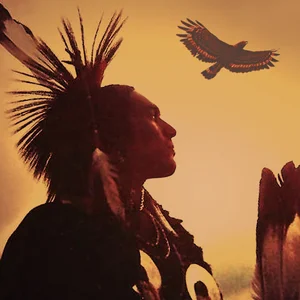
Shamanic music is ritualistic music used in religious and spiritual ceremonies associated with shamanism. It places a strong emphasis on voice and rhythm, often featuring repetitive drumming, chanting, vocables, and trance-inducing textures.

Because shamanism is a global complex of practices, the sound varies widely by culture and region—from Siberian frame-drum chants and Tuvan overtone singing to Amazonian icaros and Arctic throat-singing. Despite this diversity, common traits include cyclical rhythmic patterns, drones, timbral focus (rattles, jaw harps, overtone techniques), and performance aimed at healing, divination, journeying, or community cohesion.


Sources: Spotify, Wikipedia, Discogs, Rate Your Music, MusicBrainz, and other online sources

History

Origins and functions

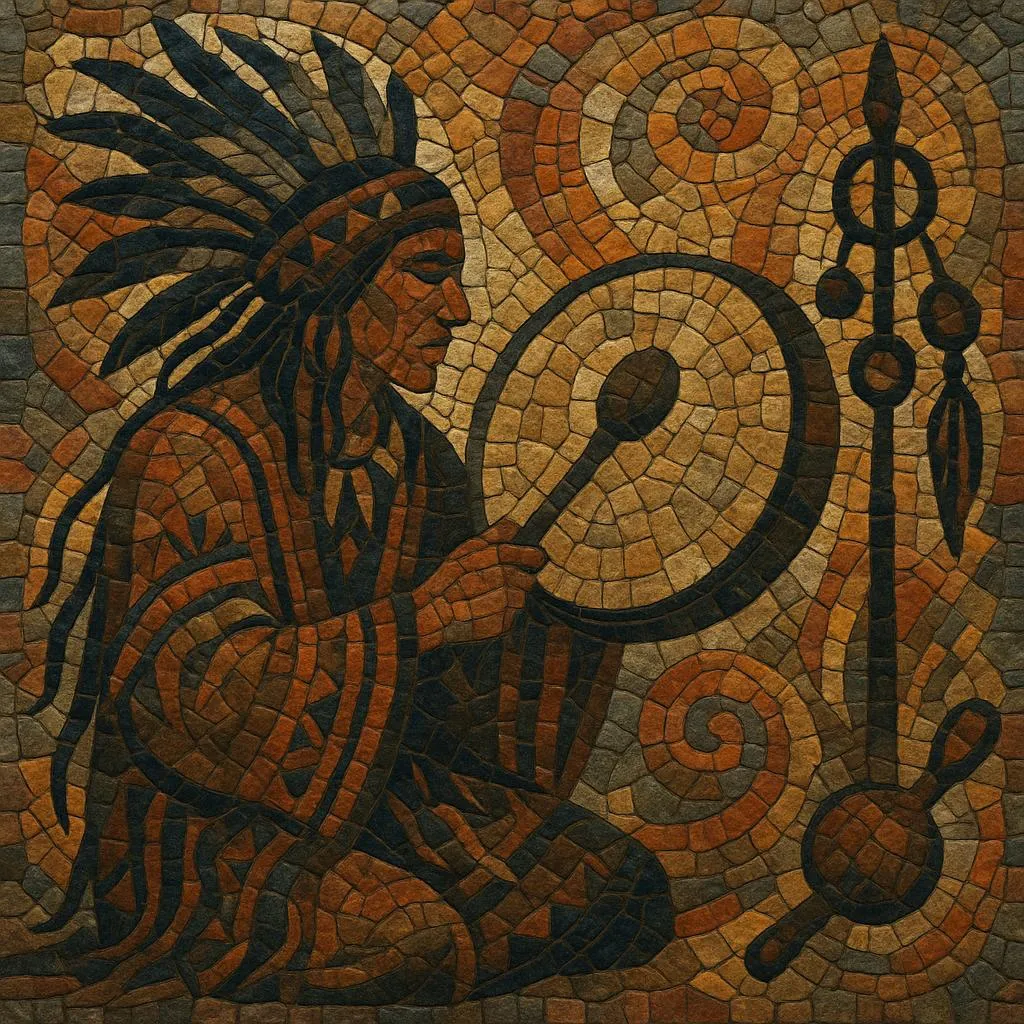
Shamanic music predates written history and is deeply entwined with ritual practice. Its musical purpose is inseparable from spiritual function: to accompany healing, trance, divination, initiation, seasonal rites, and storytelling. The ubiquitous frame drum, rattles, call-and-response singing, and vocables (non-lexical syllables) are used to structure the ritual and guide participants.

Regional lineages
•   Eurasia (Siberia, Central Asia): Frame-drum ostinatos, rattles, jaw harps, and timbral singing are central. In parts of Tuva and Mongolia, overtone (throat) singing and animal-voice imitation enrich the ritual soundscape. •   Arctic/Subarctic (Sámi, Inuit): Joik and katajjaq (throat games) have shamanic associations; performances reference places, beings, and ancestral ties. •   East Asia: Korean gut and related ritual musics intertwine drums, gongs, and chants in elaborate ceremonial cycles. •   Amazonia: Icaros—melodic incantations sung by healers—guide plant-medicine ceremonies, employing flexible rhythm, drones, and timbral effects. •   Africa and the Americas: Drumming ensembles and call-and-response songs in many communities support trance, spirit invocation, and healing rites.
Musical language and aesthetics

Across regions, shamanic music favors repetition, cyclic meter, drones, and modality or pentatonic pitch collections. Emphasis lies on timbre, breath, and rhythm more than harmonic progression. Drumming frequently targets steady fast pulses (often ~180–220 BPM single hits) that align with trance states; textures may build and release in long arcs matching ritual phases (opening, journey, return).

Modern continuities and revivals

In the 20th and 21st centuries, traditional bearers continue to transmit lineages while contemporary artists recontextualize shamanic elements in concert settings and recordings. Global audiences encounter these practices via world music, ambient, and ritual/folk revivals, while many communities foreground cultural sovereignty and sacred protocol around when and how such music should be performed.

How to make a track in this genre

Core intent and setting
•   Define the ritual purpose (healing, journeying, invocation) and structure your piece in phases: opening (calling/protection), journey (sustained trance), return (grounding/closure). •   Consider the space: round, resonant rooms or outdoors by a fire accentuate drum and voice.
Instrumentation and timbre
•   Primary: frame drum (single-headed), rattles (gourds, seed pods), jaw harp, shakers, handbells, sticks, bullroarer, overtone-capable voice. •   Secondary: flutes, conch, didgeridoo (culture-specific), shruti box/drones. Keep harmony sparse; timbre and breath are central.
Rhythm and pulse
•   Use steady, fast single-hit patterns (commonly ~180–220 BPM) for trance entrainment; keep subdivisions simple (duple) with long, unbroken cycles of 10–20 minutes. •   Introduce subtle micro-variations (accent shifts, pauses) to mark transitions or responses to the ritual flow.
Melody, modality, and texture
•   Favor drones and narrow-range, modal or pentatonic melodies. Employ vocables and open vowels; avoid dense chord changes. •   Explore overtone/throat techniques, animal- or spirit-voice imitations, and antiphonal call-and-response.
Form and responsiveness
•   Map musical cues to ritual actions (breath work, smudging, movement). Signal phase changes by changing drum timbre, adding a rattle layer, or shifting tessitura. •   End with soft grounding: fade drones, slow the drum, introduce a low hum or spoken blessing.
Cultural respect
•   If drawing from a living tradition, seek permission, learn from culture bearers, and avoid using sacred songs out of context. Create original pieces inspired by principles (repetition, timbre, intention) rather than extracting protected repertoire.

Related labels

Top tracks

Locked
Share your favorite track to unlock other users’ top tracks
Influenced by
Has influenced
Challenges
Digger Battle
Let's see who can find the best track in this genre

Download our mobile app

Get the Melodigging app and start digging for new genres on the go
© 2026 Melodigging
Melodding was created as a tribute to Every Noise at Once, which inspired us to help curious minds keep digging into music's ever-evolving genres.
Buy me a coffee for Melodigging