Your digging level

For this genre
0/8
🏆
Sign in, then listen to this genre to level up

Description

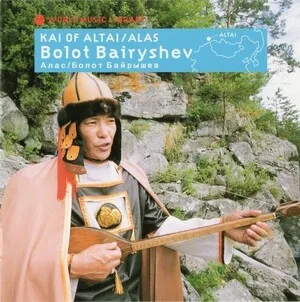
Kai is a traditional style of overtone (throat) singing from the Altai–Sayan region, especially the Altai Republic in Siberia.

Rooted in shamanic cosmology, kai emphasizes a very low fundamental with clearly articulated upper partials that outline pentatonic figures. Performers (kaichi) often accompany themselves on long‑neck lutes such as the topshur and frame drums, chanting epics and nature invocations that are believed to communicate with the land, animals, and ancestral spirits.

While closely related to Tuvan and Mongolian throat‑singing practices, kai retains distinctive Altaian timbres, epic‑narration delivery, and a repertoire that moves fluidly between recitative storytelling and sustained, droning vocal textures.


Sources: Spotify, Wikipedia, Discogs, Rate Your Music, MusicBrainz, and other online sources

History

Origins and function

Kai likely predates written records, emerging among Turkic Altaian peoples as a sacred vocal practice tied to animist–shamanic ritual. The performer (kaichi) used a low, buzzing fundamental and shaped overtones while narrating origin myths, heroic cycles, and landscape songs, treating the voice as a conduit to nature and the spirit world.

From oral tradition to documentation (19th–20th c.)

Ethnographers and travelers in the 19th century began describing Kai‑like throat singing in the Altai–Sayan area. In the Soviet era, regional ensembles and conservatories documented epic repertoires and techniques; notable kaichi such as Alexei Kalkin helped codify performance approaches while keeping the oral lineage alive.

Revival and global visibility (1990s–present)

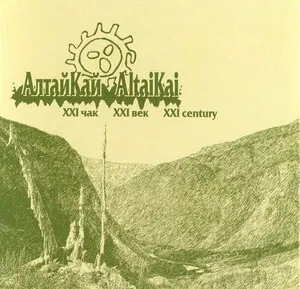
After the 1990s, ensembles from the Altai Republic professionalized the style for stage and recording. Groups like Altai Kai toured internationally, taught workshops, and released albums that foregrounded kai’s low‑register drones, overtone melodies, and epic narration. Today, kai appears both in traditional settings (rituals, community festivals) and in cross‑cultural collaborations, influencing world‑fusion and experimental vocal scenes.

How to make a track in this genre

Vocal production and tuning
•   Start with a relaxed but very low fundamental (kargyraa‑type placement), then stabilize a steady drone. •   Shape the mouth cavity (tongue arches, lip rounding) to isolate harmonics that outline a pentatonic set; favor 6th, 8th, 9th, 10th, 12th, and 13th partials while avoiding dissonant 7th/11th overtones.
Form and delivery
•   Alternate between epic recitative (spoken–sung storytelling) and sustained drone sections where overtones carry the melody. •   Use call‑and‑response phrases between narrator and instrument, or punctuate narrative lines with short overtone interludes.
Lyrics and themes
•   Center texts on mountains, rivers, horses, hunting routes, clan heroes, and spirit guardians. Maintain a respectful, invocatory tone consistent with shamanic roots.
Instrumentation and rhythm
•   Accompany with topshur (two‑string lute), jaw harp (khomus), end‑blown flute (shoor), or frame drum (tungur). Keep textures sparse so overtones remain audible. •   Favor flexible pulse and breath‑driven phrasing over strict meter; when using groove, employ gentle ostinati that mirror horse‑trot or river‑flow imagery.
Timbre and ornaments
•   Contrast low, growling fundamentals with moments of brighter sygyt‑like harmonics for dramatic effect. •   Employ glottal ornaments, portamenti between partials, and subtle vibrato, always preserving the drone’s stability.

Top tracks

Locked
Share your favorite track to unlock other users’ top tracks
Influenced by
Has influenced
Challenges
Digger Battle
Let's see who can find the best track in this genre
© 2026 Melodigging
Melodding was created as a tribute to Every Noise at Once, which inspired us to help curious minds keep digging into music's ever-evolving genres.
Buy me a coffee for Melodigging