Your digging level

For this genre
0/8
🏆
Sign in, then listen to this genre to level up

Description

Khakas traditional music is the folk and ritual music of the Khakas people of South Siberia (Republic of Khakassia, Russia). It centers on epic storytelling, overtone-rich throat-singing (often called kai/khai), and a distinctive set of indigenous instruments.

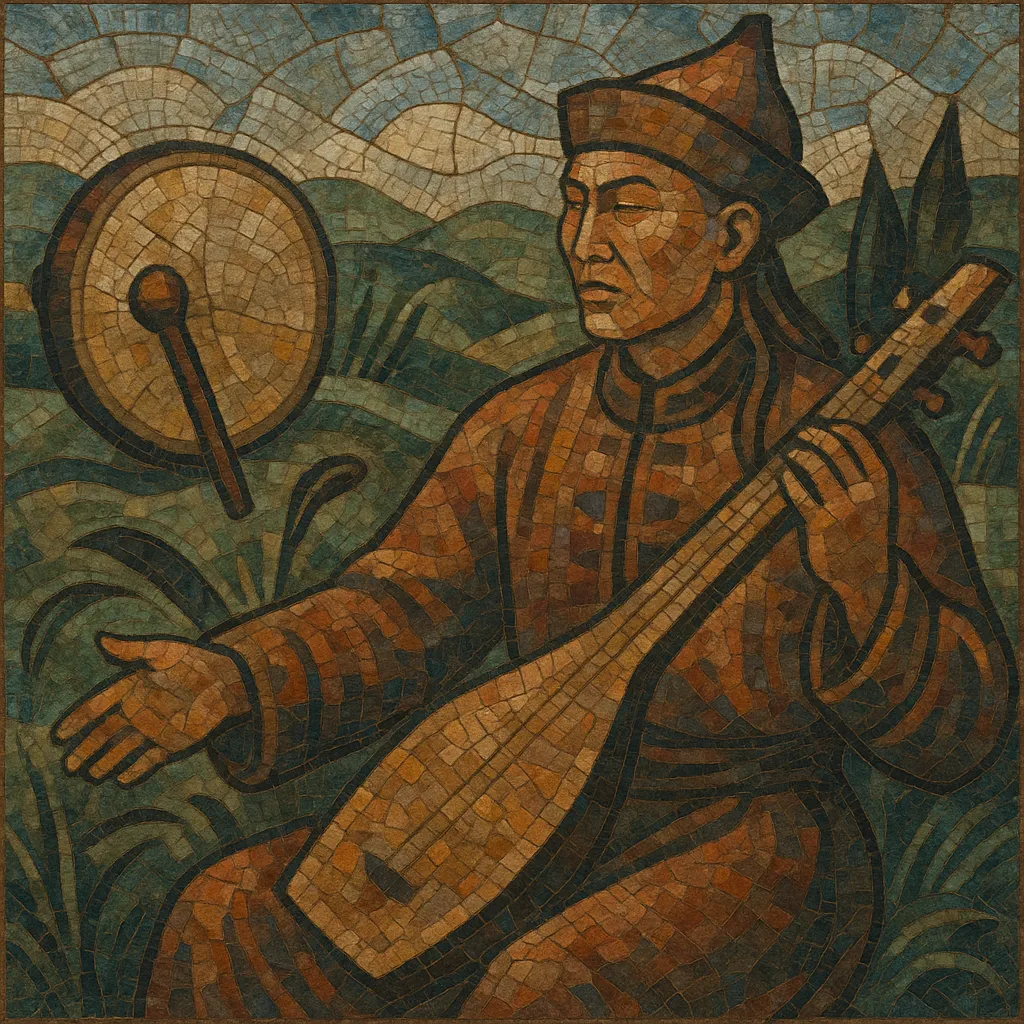
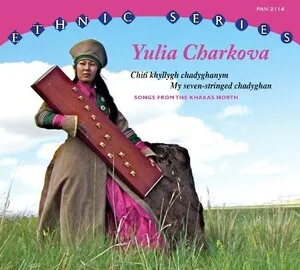
Core timbres come from the chatkhan (a long zither), jaw harp (temir-khomus), shamanic frame drum (tüngür), and various flutes, with vocals ranging from clear narrative chant to deep, droning overtone techniques. Melodies tend to be pentatonic or modal, with narrow ranges, drones, and flexible, speech-like rhythm in epic recitation.

Themes reflect steppe life, hero epics, nature, animist/shamanic cosmology, and communal memory. While ancient in origin, the tradition continues today through ensembles, community bearers, and staged folklore performances.


Sources: Spotify, Wikipedia, Discogs, Rate Your Music, MusicBrainz, and other online sources

History

Origins and Functions

Khakas traditional music traces back centuries as a living oral art used for epic storytelling, ritual communication, and communal gatherings. Heroic epics and nature-centered songs were performed by specialist singer‑storytellers (kai/khai singers), often accompanied by the chatkhan zither or simply by a sustained vocal drone. Overtone singing techniques developed alongside animist/shamanic practices, using sound to embody spirits, landscapes, and animal forces.

Contact and Documentation (19th–early 20th c.)

Russian explorers and ethnographers in the 1800s began documenting Khakas epic cycles, instruments, and ritual song. Notation and early recordings captured hallmark features—pentatonic/modal tunes, free rhythm in recitative, and overtone vocal timbres—while also noting regional links to neighboring South Siberian and Mongolic traditions.

Soviet Period

During the Soviet era, shamanic ritual contexts were often discouraged, but staged folklore, regional ensembles, and radio archives helped preserve and formalize parts of the repertoire. Professionalized troupes adapted epic and dance music for concert settings, standardizing tunings and arranging pieces for larger groups while striving to retain characteristic timbres and language.

Late 20th c. to Present

After the 1990s, renewed cultural policy, local institutions, and festivals encouraged revival. Community masters teach younger performers, ensembles commission new arrangements, and overtone singing and chatkhan performance are showcased internationally. Contemporary practice spans ritual fragments, intimate epic recitation, and concert folk stylizations, with some crossover into world-fusion and ambient contexts.

How to make a track in this genre

Instrumentation and Timbre
•   Prioritize indigenous timbres: chatkhan (long zither) for drones, ostinati, and sparse melodic patterns; jaw harp (temir‑khomus) for rhythmic drones and overtones; frame drum (tüngür) for ritual pulse; add simple end‑blown flute lines. •   Keep textures lean. Use a sustained drone (voice or instrument) beneath a narrative voice or solo melody.
Scales, Melody, and Harmony
•   Use pentatonic or modal scales with a narrow ambitus. Avoid functional harmony; rely on drones and parallel motion instead of chord progressions. •   Shape melodies like speech: flexible tempo, syllabic delivery for epic recitation, and elongated notes that let overtones bloom.
Vocal Technique
•   For epic/ritual pieces, explore overtone (throat) singing: a low, droning fundamental with a clearly audible whistle‑like overtone (khoomei/sygyt‑type) or a deep growl (kargyraa‑type). Blend with natural voice for contrast. •   Maintain clear diction in the Khakas language (or a Turkic phonetic profile) and a storytelling cadence.
Rhythm and Form
•   Alternate free‑rhythm recitative sections with steady, horse‑trot or walking pulses on drum or zither. •   Structure pieces in episodic “chapters” that mirror epic narrative segments; repeat short motives to mark transitions.
Texts and Imagery
•   Write lyrics around hero epics, steppe landscapes, rivers, animals, and cosmology (sky/earth/underworld). Use metaphor and place‑names to anchor the story. •   Incorporate call‑and‑response refrains for communal sections; keep verses long and narrative for solo epic singing.
Arrangement and Recording Tips
•   Place the voice forward; support with a single drone source. Add jaw‑harp interludes for color and rhythmic lift. •   Record in a natural space to capture resonance; avoid heavy processing so overtones remain clear.

Top tracks

Locked
Share your favorite track to unlock other users’ top tracks
Influenced by
Has influenced
Challenges
Digger Battle
Let's see who can find the best track in this genre
© 2026 Melodigging
Melodding was created as a tribute to Every Noise at Once, which inspired us to help curious minds keep digging into music's ever-evolving genres.
Buy me a coffee for Melodigging